 PickPundit
📹 How to Choose the Best Dash Cams: Complete Buying Guide

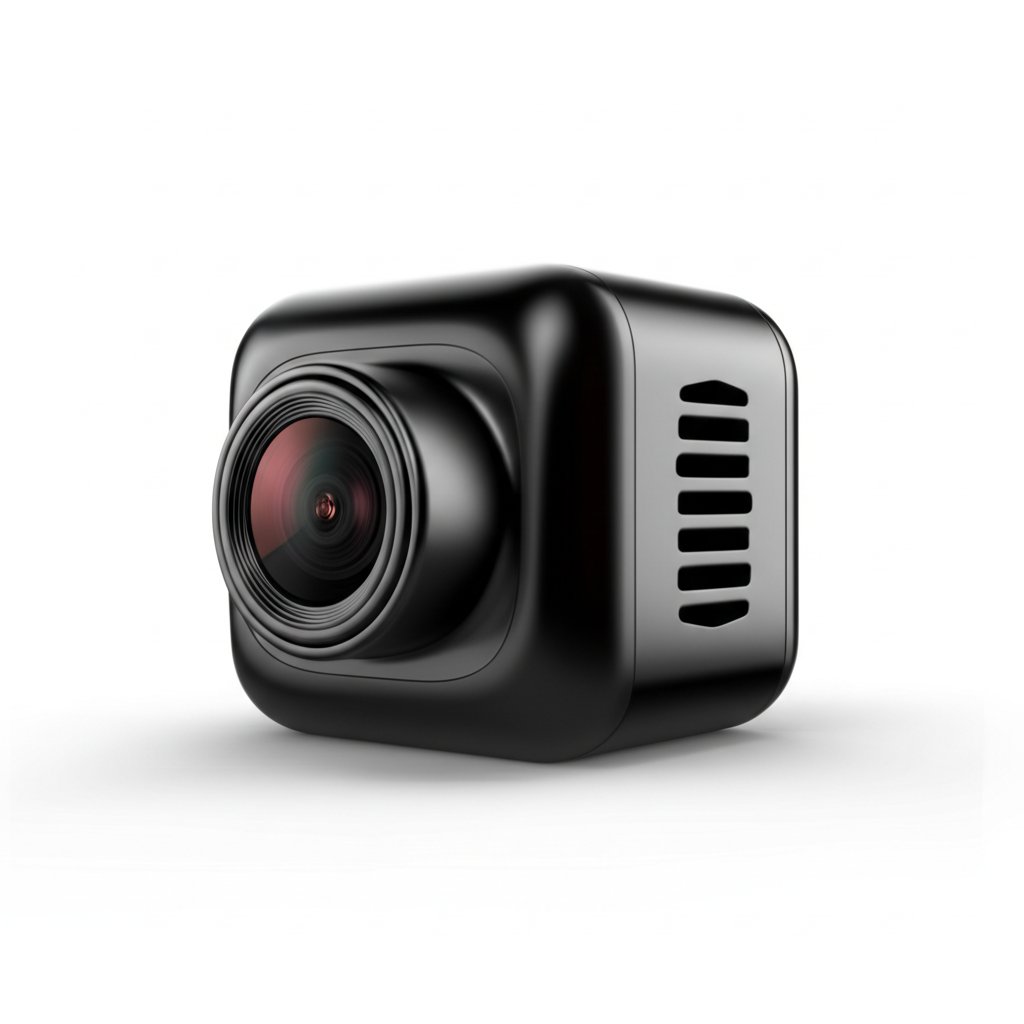
Complete dash cams buying guide. Learn what features matter, compare top products, and find the best dash cams for your budget.
View Top Picks →Table of Contents
Dash Cams: Video Quality, Storage Management, and Legal Considerations
Dash cams document driving incidents, providing evidence in accidents and insurance disputes. Understanding capabilities and limitations helps select cameras that serve their protective purpose.
Video Quality Requirements
1080p resolution is minimum for readable license plates and usable evidence. 720p may not capture crucial details.
4K provides more detail but requires more storage and processing power. For most dash cam purposes, quality 1080p suffices.
Frame rate matters: 30fps captures smooth video; higher frame rates provide better motion detail but use more storage.
Low-light performance varies significantly. Night driving is common; poor night vision defeats much of dash cam purpose.
Field of View Trade-offs
Wider angles (140-180 degrees) capture more of the scene but distort edges and reduce detail at center.
Narrower angles (120-140 degrees) provide less peripheral coverage but clearer central detail.
140-160 degrees balances coverage and clarity for most driving situations.
Dual Channel: Front and Rear
Front-only cameras miss rear-end collisions and incidents behind your vehicle. Dual-channel systems address this gap.
Rear cameras may be separate units requiring wiring or integrated into rear-view mirror displays.
Interior cameras (third channel) document cabin events—valuable for rideshare drivers, taxis, or recording passengers.
Loop Recording and Storage
Continuous loop recording overwrites oldest files when storage fills. Essential feature preventing manual file management.
Storage size determines recording duration before overwriting. 32-128GB cards are typical; larger cards provide longer footage retention.
Event-triggered saving (G-sensor detection) protects impact footage from overwriting. This should happen automatically upon collision detection.
Parking Mode Functionality
Motion-activated recording while parked captures hit-and-runs and vandalism. Requires continuous power (hardwiring) or internal battery.
Hardwired installation to vehicle electrical systems enables parking mode. Professional installation recommended for electrical work.
Battery drain concerns: parking mode draws power from vehicle battery. Quality systems include low-voltage cutoffs to prevent dead batteries.
GPS Integration
GPS logging records speed and location with video—useful for verifying incident locations and circumstances.
Speed recording can work for or against you—evidence of your driving is preserved along with others'.
Some jurisdictions restrict GPS tracking. Verify local laws regarding location recording.
Legal Status by Region
Dash cam legality varies by country and state. Most U.S. states permit dash cams; some restrict placement (not blocking driver vision).
Two-party consent states may require notification of passengers that recording is occurring.
Evidence admissibility varies. Dash cam footage is generally admissible but may face challenges in specific courts.
Installation Options
Suction cup mounts allow easy installation and removal but may fall in heat. Adhesive mounts are more permanent and stable.
Position below rear-view mirror for minimal obstruction while maintaining road view. Obstructed windshield visibility may violate local laws.
Cable routing matters for appearance and safety. Loose cables are unsightly and may interfere with driving.
Heat Tolerance
Vehicles in sun reach extreme temperatures. Cameras with capacitor-based power (versus lithium batteries) handle heat better.
Lithium batteries in dash cams may swell, leak, or fail in high temperatures. Capacitors are more heat-tolerant.
If you live in hot climates, heat resistance is essential selection criteria.
Brand and Support Considerations
Established brands (Viofo, BlackVue, Thinkware, Garmin) provide better support and firmware updates than generic Chinese cameras.
App quality affects usability—reviewing footage on phones requires functional apps that many generic cameras lack.
Warranty terms vary. Quality brands offer 1-3 year warranties; generic cameras may have no effective warranty support.
Practical Recommendations
For basic front coverage, quality 1080p cameras with capacitors ($80-150) serve most drivers' needs.
For comprehensive protection, dual-channel systems with parking mode ($150-300) document incidents from multiple angles.
Invest in professional installation if hardwiring for parking mode. Electrical work mistakes can damage vehicles.
Frequently Asked Questions
What should I look for when buying dash cams?
Key factors include build quality, user reviews, and value for money. Top-rated options like the REDTIGER REDTIGER 4K Dash Cam Front Rear (4.2★ from 21,170 reviews) demonstrate what quality looks like in this category.
How much do dash cams typically cost?
Prices range from $7 to $130, with most quality options around $33. Budget options under $10 work for occasional use, while premium models over $50 offer better durability and features.
Which dash cams are most popular right now?
The REDTIGER 4K Dash Cam Front Rear is currently top-rated with 4.2★ from 21,170 verified reviews. Check our full comparison at /best/dash-cams for all top picks.
⚖️ Quick Comparison
| Product | Price | Rating | Key Feature |
|---|---|---|---|
| $85.48 | 4K Front & 1080P Rear Recording - Captures detailed 4K front and 1080P rear vide... | ||
| $14.99 | Sturdy and Safe A special shape of this motorcycle & bike phone holder grips eac... | ||
| $9.99 | Improved Stability with 4-Lock Protection The Lamicall holder for cell phone in ... |


