 PickPundit
🐕 كيفية اختيار أفضل طعام للكلاب: دليل شراء كامل

Complete dog food buying guide. Learn what features matter, compare top products, and find the best dog food for your budget.
View Top Picks →Table of Contents
Dog Food: AAFCO Standards, Ingredient Reality, and Cutting Through Marketing Claims
Dog food marketing makes everything sound premium while obscuring what actually matters for canine nutrition. Understanding labeling, ingredients, and nutritional needs helps evaluate options objectively.
AAFCO Nutritional Standards
AAFCO (Association of American Feed Control Officials) sets minimum nutritional standards for pet food.
"Complete and balanced" claims require meeting AAFCO standards for specific life stages. This is the baseline—not premium status.
Foods without AAFCO statements may be nutritionally incomplete. Always verify complete and balanced designation.
Life Stage Considerations
Puppies need higher protein, fat, and specific nutrient ratios for growth. Adult food may not support proper development.
Adult maintenance differs from puppy or senior formulations. Don't feed life-stage-mismatched foods.
Large breed puppies need specific calcium/phosphorus ratios to prevent developmental problems. Not all puppy food is appropriate.
Senior dog formulations address changing metabolism. Whether to transition depends on individual dog health.
Ingredient List Reality
Ingredients are listed by pre-cooking weight. Meat listed first may become smaller proportion after moisture loss during processing.
"Meal" ingredients (chicken meal, fish meal) are already dried—actual protein contribution may exceed fresh meat listed earlier.
Ingredient splitting (listing rice, rice bran, and rice flour separately) moves individual ingredients down the list while total rice content remains high.
Grain-Free Controversy
FDA investigation linked some grain-free diets to heart disease (DCM) in dogs. The mechanism isn't fully understood but involves certain legume-heavy formulations.
Grain-free isn't inherently better or worse—it's a marketing category, not a nutritional improvement.
Dogs with proven grain allergies (rare) may need grain-free. Most dogs do fine with grains.
Protein Source Quality
Named protein sources ("chicken," "beef") are preferable to generic terms ("meat," "poultry").
By-products aren't inherently bad—organ meats are by-products that provide valuable nutrition. Quality varies.
Novel proteins (venison, bison, kangaroo) suit dogs with common protein allergies but cost more without benefit for non-allergic dogs.
Dry vs Wet vs Raw
Dry kibble is convenient, affordable, and has dental benefits from crunching. Most common feeding approach.
Wet/canned food has higher moisture content, often higher protein, and stronger palatability. More expensive per calorie.
Raw diets are controversial—proponents claim benefits; veterinary associations express safety concerns (bacterial contamination, nutritional balance).
Price and Quality Correlation
Expensive doesn't guarantee quality; cheap doesn't guarantee inadequacy. Price reflects marketing, ingredients, and manufacturing.
Meeting AAFCO standards is the floor, not the ceiling. Price differences above baseline don't linearly correlate with quality.
Veterinary diet prescriptions cost more for specific therapeutic purposes. These aren't better for healthy dogs.
Reading Beyond Marketing
"Natural," "holistic," "human-grade," and similar terms have minimal regulatory meaning. Marketing, not quality indicators.
Guaranteed analysis shows minimum protein/fat and maximum fiber/moisture. Doesn't indicate quality, just quantity.
Feeding trials (vs calculated formulation) indicate real-world testing on dogs. Look for feeding trial statements.
Allergies and Sensitivities
True food allergies are less common than marketing suggests. Symptoms (itching, digestive issues) have many causes.
Elimination diets—feeding single novel protein/carb sources for 8-12 weeks—properly identify food allergies. Switching brands randomly doesn't.
Consult veterinarians before assuming allergies. Many "food sensitivity" symptoms have other causes.
Transitioning Foods
Gradual transitions (mixing old and new foods over 7-10 days) prevent digestive upset. Sudden changes cause problems.
Some dogs tolerate quick transitions; others have sensitive stomachs. When in doubt, transition slowly.
Practical Recommendations
Start with well-established brands meeting AAFCO standards for appropriate life stages. Premium marketing isn't necessary for healthy dogs.
Consult veterinarians for dogs with health issues, allergies, or specific needs. Commercial therapeutic diets exist for medical conditions.
Avoid over-complicating feeding. Most dogs thrive on consistent, appropriate, AAFCO-compliant diets without exotic ingredients or rotation feeding.
Frequently Asked Questions
ما الذي يجب أن أبحث عنه عند شراء طعام الكلاب؟
تشمل العوامل الرئيسية جودة البناء ومراجعات المستخدمين والقيمة مقابل المال. الخيارات الأعلى تصنيفًا مثل Iams Iams Proactive Health Adult Minichunks Dry Dog Foo (4.7 ★ من 31،221 مراجعة) توضح ما تبدو عليه الجودة في هذه الفئة.
كم يكلف طعام الكلاب عادة؟
تتراوح الأسعار من 15 دولارًا إلى 120 دولارًا ، مع معظم خيارات الجودة حوالي 47 دولارًا. تعمل خيارات الميزانية التي يقل عن 22 دولارًا للاستخدام العرضي ، بينما توفر الطرازات المتميزة التي تزيد عن 71 دولارًا متانة وميزات أفضل.
ما هو طعام الكلاب الأكثر شعبية الآن؟
دجاج IAMS Proactive Health Adult Minichunks Dry Dog Food Chicken حاليًا هو الأعلى تصنيفًا بـ 4.7 ★ من 31،221 تقييمًا تم التحقق منه. تحقق من مقارنتنا الكاملة في / best / dog-food لجميع الاختيارات.
⚖️ Quick Comparison
| Product | Price | Rating | Key Feature |
|---|---|---|---|
| $31.04 | The Proactive 5 health benefits for IAMS Minichunks are scientifically designed ... | ||
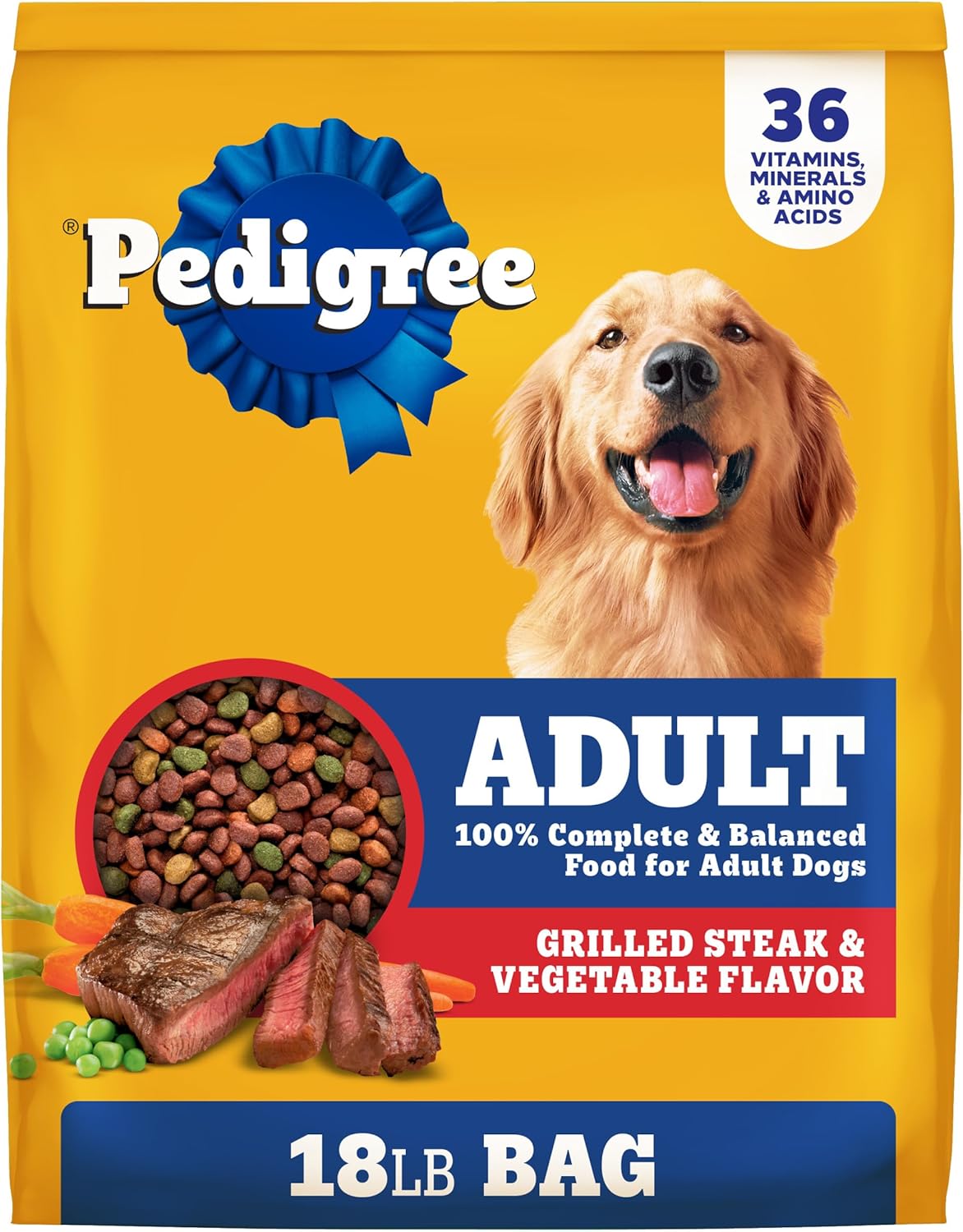
| $16.98 | Complete and Balanced Pedigree Complete Nutrition Adult Dry Dog Food is 100% com... | ||
|
#3
|
$16.28 | Natural dog food with added vitamins, minerals, and nutrients has a Purina ONE S... |