 PickPundit
🚲 كيفية اختيار أفضل الدراجات الكهربائية: دليل الشراء الكامل

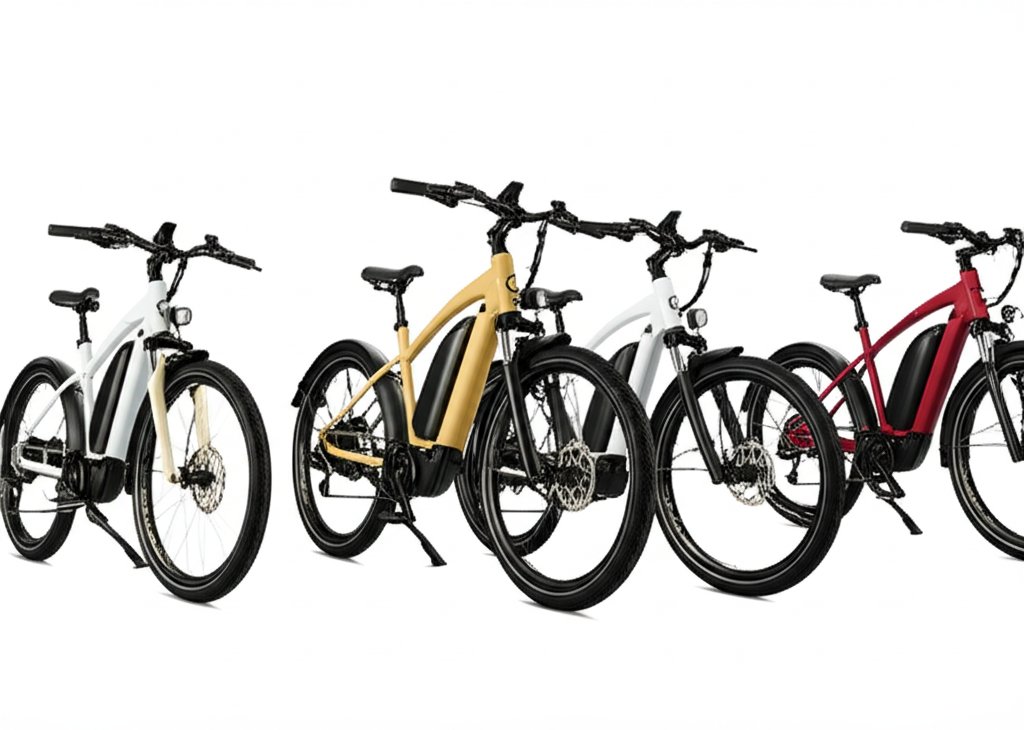
Complete electric bikes buying guide. Learn what features matter, compare top products, and find the best electric bikes for your budget.
View Top Picks →Table of Contents
Electric Bikes: Pedal Assist and Throttle-Powered Transportation
Electric bikes add motor assistance to cycling—extending range, conquering hills, and making bike commuting viable for more people. Understanding motor power, battery range, and e-bike classes helps choose bikes that match intended use without overspending on unnecessary capability.
How E-Bikes Work
Motor assistance options:
Pedal assist (PAS): Motor amplifies your pedaling effort. The more you pedal, the more help you get.
Throttle control: Twist or thumb throttle provides power without pedaling. Like a moped.
Combined systems: Many e-bikes offer both modes.
The 6000W peak dual motor represents extreme power—far beyond typical commuter needs.
E-Bike Classes
Regulatory categories:
Class 1: Pedal assist only, max 20 mph assist. Allowed on most bike paths.
Class 2: Throttle + pedal assist, max 20 mph. Some trail restrictions.
Class 3: Pedal assist to 28 mph. Often road-only, may require helmet.
High-power bikes: 1500W+ often exceed legal e-bike definitions. May be considered mopeds.
Motor Power Reality
Understanding wattage claims:
Nominal vs peak power: 750W nominal may claim 1500W peak.
Legal limits: Many jurisdictions limit e-bikes to 750W nominal.
Practical needs: 250-500W handles most commuting. 750W conquers steep hills.
Overpowered bikes: 6000W is excessive for legal e-bike use—motorcycle territory.
Battery and Range
How far you can go:
Battery capacity (Wh): Higher watt-hours = longer range.
Typical ranges: 25-50 miles common. Varies with terrain, assist level, rider weight.
Range factors: Hills, headwind, high assist levels drain battery faster.
Charging time: 4-6 hours typical for full charge.
Motor Placement
Where motors are located:
Hub motors: In wheel hub (front or rear). Simpler, cheaper.
Mid-drive motors: At pedal crank. Better hill climbing, more natural feel.
Dual motors: Front and rear. Maximum power, less common.
Frame Styles
E-bike designs:
Traditional: Look like regular bikes. Commuter friendly.
Step-through: Low entry. Easy mounting, popular for commuting.
Fat tire: Wide tires for off-road, beach, snow.
Folding: Compact for storage and transit.
Weight Considerations
E-bikes are heavy:
Typical weight: 50-75 lbs with battery and motor.
Carrying upstairs: Significant consideration for apartment dwellers.
Vehicle transport: May need sturdy bike rack.
Riding without power: Heavy to pedal if battery dies.
Cost Reality
E-bike pricing:
Budget ($500-1000): Basic function, limited quality.
Mid-range ($1000-2500): Quality components, reasonable performance.
Premium ($2500-5000): Excellent components, reliable brands.
High-end ($5000+): Premium everything, boutique brands.
Maintenance Needs
Keeping e-bikes running:
Regular bike maintenance: Brakes, tires, chain still need attention.
Battery care: Don't fully deplete or overcharge. Store at partial charge.
Motor service: Usually dealer service for motor issues.
Water exposure: Most e-bikes aren't fully waterproof. Avoid heavy rain.
Use Case Matching
Right bike for the job:
Commuting: Class 1 or 2, 500-750W, good range.
Recreation: Moderate power, comfortable geometry.
Off-road: Fat tires, higher power, suspension.
Hauling cargo: Cargo e-bikes designed for loads.
Practical Recommendations
For commuters: Class 1 or 2 mid-drive, 500W, 40+ mile range. Quality brands.
For recreation: Comfortable geometry, moderate power.
For hills: Mid-drive motor handles grades better than hub motor.
For budget conscious: Used quality e-bike beats cheap new one.
The key insight: match e-bike power to legal requirements and actual needs. 500-750W handles most use cases. Extreme power bikes may not be street legal and create unnecessary liability.
Frequently Asked Questions
ما الذي يجب أن أبحث عنه عند شراء الدراجات الكهربائية؟
تشمل العوامل الرئيسية جودة البناء ومراجعات المستخدمين والقيمة مقابل المال. الخيارات الأعلى تصنيفًا مثل CTVVXXC 6000W Peak Dual Motor Ebike للبالغين - 52V 34AH (4.1 ★ من 21 مراجعة) توضح ما تبدو عليه الجودة في هذه الفئة.
كم تكلف الدراجات الكهربائية عادة؟
تتراوح الأسعار من 157 دولارًا إلى 1169 دولارًا ، مع معظم خيارات الجودة حوالي 521 دولارًا. تعمل خيارات الميزانية التي يقل عن 235 دولارًا للاستخدام العرضي ، بينما توفر الطرز المتميزة التي تزيد عن 782 دولارًا متانة وميزات أفضل.
ما هي الدراجات الكهربائية الأكثر شعبية الآن؟
6000W EAK DUAL MOTORI EBike للبالغين - 52V 34AH Fast Elect هي حاليًا أعلى تصنيف مع 4.1 ★ من 21 مراجعة تم التحقق منها. تحقق من مقارنتنا الكاملة في / أفضل / دراجات كهربائية لجميع الاختيارات.
⚖️ Quick Comparison
| Product | Price | Rating | Key Feature |
|---|---|---|---|
| $1169.00 | Dual Motor Power - Experience 6000W output with dual 3000W motors for thrilling ... | ||
| $399.99 | 1500W Peak Motor - Reach speeds up to 28MPH with a powerful 1500W peak motor des... | ||
| $238.99 | 21-Speed Shimano Gear System for Any Terrain - Ride freely through city streets ... |


