 PickPundit
📦 How to Choose the Best Foam Cannons: Complete Buying Guide

Complete foam cannons buying guide. Learn what features matter, compare top products, and find the best foam cannons for your budget.
View Top Picks →Table of Contents
Foam Cannons: The Satisfying Car Wash Upgrade That Requires System Thinking
Foam cannon videos dominate car detailing social media—thick snow foam cascading over vehicles creates undeniable visual satisfaction. This aesthetic appeal drives purchases that sometimes disappoint because buyers don't understand the system requirements for achieving "snow foam" results.
A foam cannon alone doesn't create thick foam. The cannon, pressure washer, soap chemistry, and technique must work together. Understanding this system prevents purchasing cannons that underperform expectations.
How Foam Cannons Work
Foam cannons attach to pressure washer wands, using venturi effect to draw soap solution from attached bottles and mix it with pressurized water. Air injection during this mixing creates foam rather than simple soap-water spray.
Foam thickness depends on:
- Pressure washer GPM and PSI (more water volume and pressure = more foam potential)
- Cannon design (orifice size, mixing chamber engineering)
- Soap formulation (some soaps foam better than others)
- Dilution ratio (adjustable on most cannons)
All factors must align for thick foam. A quality cannon on an inadequate pressure washer produces thin foam. A weak cannon on a powerful pressure washer wastes the washer's potential.
Pressure Washer Requirements
The critical specification: most foam cannons require pressure washers producing 1.4+ GPM (gallons per minute) at 1500+ PSI for optimal foam. Electric pressure washers often fall short; gas pressure washers typically exceed requirements.
The popular budget foam cannons ($10-25) work adequately with electric pressure washers that meet minimum specifications, producing decent foam that may not match the "snow foam" videos featuring professional equipment.
For serious foam results, pressure washer selection matters as much as cannon selection. Users with basic 1.2 GPM electric washers may achieve modest foam improvement but shouldn't expect thick coverage.
Cannon Price vs Performance
Foam cannon pricing ranges from $10 generic options to $50+ premium offerings. The differences involve:
Build quality: Metal fittings vs plastic, quality bottle threads vs cheap threading, durable adjustment knobs vs flimsy plastic
Orifice engineering: Premium cannons have precisely machined orifices optimizing foam production; budget cannons have adequate but less refined orifices
Adjustment range: Better cannons provide wider dilution ratio ranges and finer adjustment control
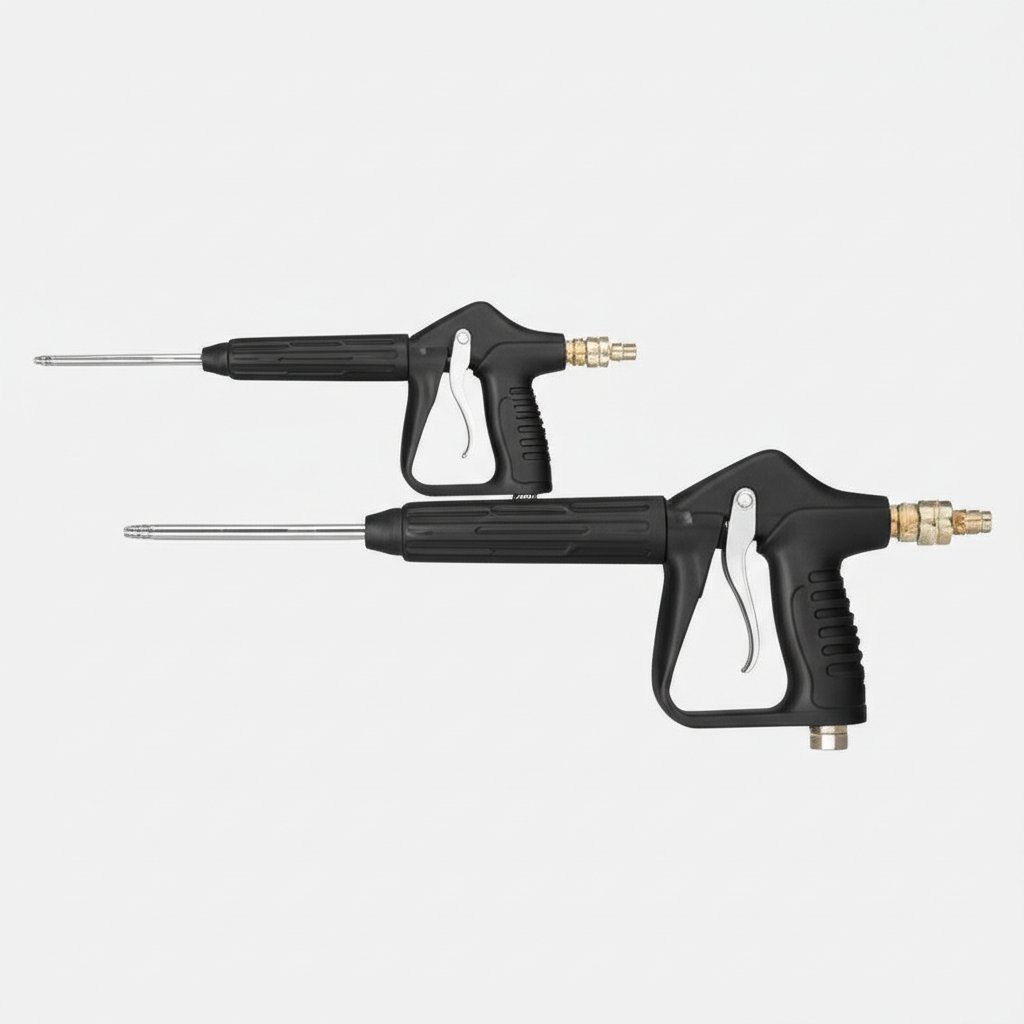
The Tool Daily gun + cannon combo at $40 represents mid-range—adequate quality without premium pricing. The ESP foam cannon at $9 represents budget territory where expectations should be modest.
Soap Formulation Matters
Car wash soap formulation affects foam quality significantly. Soaps designed for foam cannons contain foaming agents that expand when mixed with air; standard car wash soaps may produce thin, quickly-collapsing foam.
"Snow foam" specific products—often labeled as such—provide thicker, longer-lasting foam than general-purpose car wash soaps. The price premium for foam-specific soaps justifies itself through improved results and dwell time.
Dilution ratio adjustment on foam cannons accommodates different soap concentrations. More concentrated soaps require less product; diluted soaps require higher cannon settings. Experimentation identifies optimal ratios for specific soap-cannon combinations.
The Touchless Wash Question
Foam cannons enable "touchless" or "no-contact" pre-washing—foam dwell time loosens dirt that rinses away before any physical washing, reducing scratch risk from contaminated wash mitts dragging particles across paint.
The practical reality: foam pre-washing removes some dirt but rarely all dirt. Following with contact washing (using proper two-bucket method and quality mitts) remains necessary for thorough cleaning. Foam cannons enhance washing process rather than replacing contact washing.
For enthusiasts seeking paint protection through scratch minimization, foam pre-washing adds value. For owners wanting "clean enough" vehicles without fussing, foam cannons add complexity without proportionate benefit.
Cannon Attachment Compatibility
Foam cannons attach to pressure washers through quick-disconnect fittings. Most cannons include 1/4" quick connect—the standard for consumer pressure washers.
However, pressure washer gun compatibility varies. Some cannons require removing the gun entirely, attaching to the wand; others replace the gun or attach to specific gun styles.
The Tool Daily combo at $40 includes both gun and cannon as integrated system, eliminating compatibility questions but requiring replacement of existing gun.
Before purchasing, verify that your specific pressure washer accommodates your intended cannon attachment method.
Bottle Capacity and Refilling
Foam cannon bottles typically hold 32-64 oz of diluted soap solution. For a single vehicle wash, 32 oz may suffice; for multiple vehicles or very thorough foam coverage, larger bottles reduce refilling.
The bottle material (glass vs plastic) affects durability and weight. Plastic bottles are lighter and won't shatter if dropped; glass bottles are often sturdier for the threads that seal to the cannon.
Some users purchase extra bottles for pre-mixed soap storage, enabling quick bottle swaps between vehicles or wash sessions.
Adjustability and Technique
Quality foam cannons include adjustment mechanisms:
- Spray pattern (from narrow stream to wide fan)
- Dilution ratio (controlling soap concentration in foam)
Optimal settings vary with soap formulation, pressure washer capability, and personal preference. Initial use involves experimentation to identify settings producing best foam with your specific equipment.
Technique matters: holding the cannon closer produces thicker foam application; moving systematically ensures coverage; allowing appropriate dwell time before rinsing maximizes cleaning effect.
Practical Recommendations
For foam cannon beginners: Start with budget options ($10-15) to determine if foam washing suits your preferences before investing further. Even budget cannons produce noticeable improvement over garden hose washing.
For committed detailing enthusiasts: Mid-range cannons ($25-40) with quality construction provide reliable performance without premium pricing.
For pressure washer shoppers: If foam cannon use is anticipated, prioritize GPM over PSI in washer selection—flow rate matters more for foam production than pressure rating.
For maximum foam: Invest in cannon, pressure washer, and foam-specific soap together as system. Upgrading one component while neglecting others limits results.
For casual car washers: Honestly assess whether foam cannon benefits justify the added complexity. For basic cleaning needs, traditional wash methods may suffice without the equipment investment and technique requirements foam cannons demand.
Frequently Asked Questions
What should I look for when buying foam cannons?
Key factors include build quality, user reviews, and value for money. Top-rated options like the Raincovo Foam Cannon for Pressure Washer (4.1★ from 712 reviews) demonstrate what quality looks like in this category.
How much do foam cannons typically cost?
Prices range from $9 to $90, with most quality options around $33. Budget options under $14 work for occasional use, while premium models over $50 offer better durability and features.
Which foam cannons are most popular right now?
The Foam Cannon for Pressure Washer is currently top-rated with 4.1★ from 712 verified reviews. Check our full comparison at /best/foam-cannons for all top picks.


