 PickPundit
☀️ كيفية اختيار أفضل أجهزة الشحن بالطاقة الشمسية: دليل الشراء الكامل

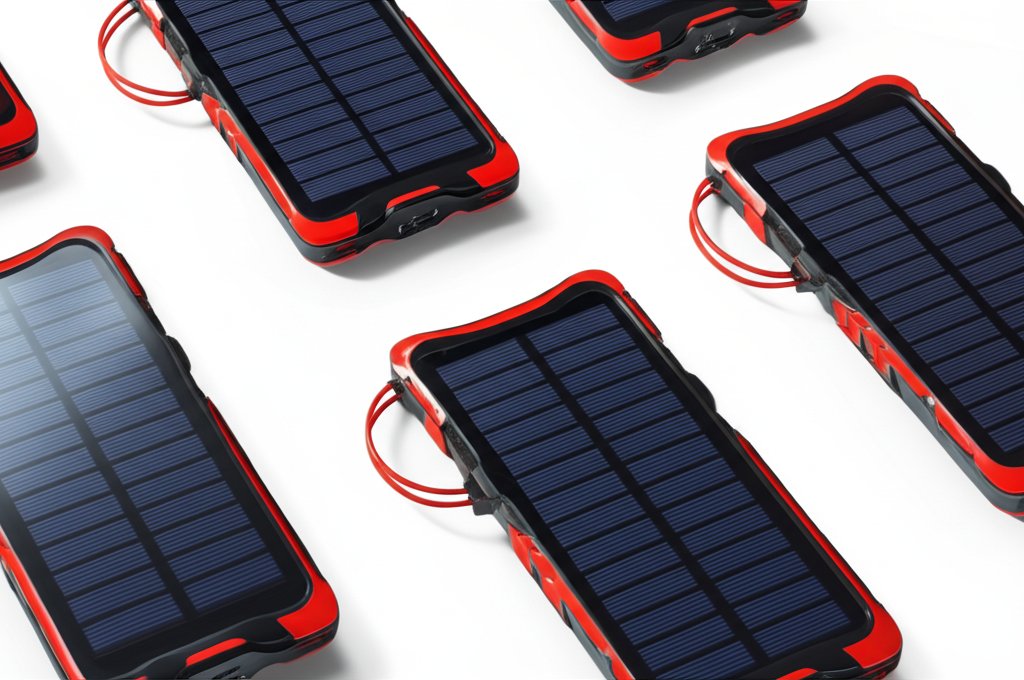
Complete solar chargers buying guide. Learn what features matter, compare top products, and find the best solar chargers for your budget.
View Top Picks →Table of Contents
Solar Chargers: Realistic Expectations for Off-Grid Power
Solar chargers promise freedom from outlets—charging devices from sunlight during camping, hiking, or emergencies. Reality involves understanding solar panel limitations, battery bank tradeoffs, and conditions that dramatically affect charging speed.
How Solar Charging Works
The basics of solar power for devices:
Solar panels: Convert sunlight to electricity. Output varies with sun angle, clouds, and panel quality.
Direct charging: Panels connect directly to device. Requires sun while charging.
Battery bank integration: Panels charge battery, battery charges device. More flexibility, more complexity.
The 45,800mAh and 49,800mAh solar power banks combine storage with solar input—convenience with limitations.
Panel Wattage Reality
Understanding power output:
Rated wattage: Maximum output under ideal conditions. Rarely achieved in practice.
Real-world output: Expect 60-80% of rated watts in good conditions. Less with clouds, angle, or aging panels.
Phone charging math: Phone needs ~10-15Wh to charge. A 5W panel in good sun takes 3+ hours minimum.
Multi-panel designs: The 4-panel bank spreads more surface area for faster charging—when all panels face the sun.
Solar Bank Limitations
The integrated solar panel tradeoff:
Small panels: Built-in panels on power banks are small—typically 1-5W effective output.
Charging time: Days of sunlight to fully charge bank via solar alone. Supplement with outlet charging.
Emergency backup: Solar extends depleted battery when outlets unavailable, but slowly.
Primary charging: Don't rely on solar as primary charge method for built-in panel banks.
Dedicated Solar Panels
Separate panels offer more power:
Larger surface area: 20-100W panels charge banks and devices much faster.
Foldable designs: Pack relatively flat, unfold for more area.
Cost: Separate panel plus battery bank costs more than integrated units.
When worth it: Multi-day backpacking, extended off-grid stays, emergency preparedness.
Conditions That Matter
Solar charging depends on environment:
Direct sunlight: Panels need direct sun, not shade or indirect light.
Angle to sun: Perpendicular to sunlight produces maximum output. Angle changes throughout day.
Clouds: Even light clouds reduce output significantly. Heavy clouds near-zero output.
Season/latitude: Winter and northern locations receive less solar energy per hour.
Time of day: Midday sun provides most power. Morning and evening significantly reduced.
Battery Capacity Claims
Evaluating mAh ratings:
Rated capacity: The 49,800mAh claim indicates cell capacity.
Usable capacity: Conversion losses mean 70-85% actually reaches your device.
Phone charges: 50,000mAh theoretically provides 10+ full phone charges. Realistically 7-8.
Weight: High capacity means heavy. The 45,800mAh unit weighs significantly more than a standard power bank.
Wireless Charging Integration
Some solar banks include wireless charging:
Convenience: No cable needed for compatible phones.
Efficiency: Wireless charging wastes more energy as heat—fewer total charges per bank.
Solar + wireless: Using solar trickle plus wireless charging works but slowly.
Build Quality for Outdoor Use
Solar chargers face harsh conditions:
Water resistance: IP ratings matter for outdoor use. Look for IPX4 minimum.
Drop resistance: Rubber bumpers and reinforced construction survive field use.
Panel durability: Flexible panels resist cracking better than rigid glass.
Connector protection: Rubber covers over ports prevent moisture and debris entry.
Use Case Matching
Match solar solution to actual needs:
Day hikes: Phone battery usually sufficient. Small solar bank as backup.
Weekend camping: Pre-charged large bank. Solar extends capacity.
Extended backcountry: Separate high-wattage panel plus bank. Solar as primary charging.
Emergency preparedness: Large capacity bank, kept charged. Solar for extended outages.
Charging Strategy
Maximize solar charging effectiveness:
Pre-charge before trips: Start with full battery. Solar supplements, not replaces.
Optimize panel angle: Adjust throughout day to face sun directly.
Prioritize sunny hours: Midday sun charges fastest. Don't wait for afternoon.
Reduce device consumption: Airplane mode, low brightness extend device battery, reducing charging needs.
Common Mistakes
Solar charging errors:
Expecting outlet speed: Solar charging is slow. Plan accordingly.
Ignoring conditions: Overcast days provide minimal charging despite appearing bright.
Window charging: Glass blocks UV and reduces efficiency significantly.
Overestimating capacity: Solar banks have less usable capacity than rated.
Practical Recommendations
For day trips/emergency backup: Integrated solar bank (45,800mAh type). Solar extends capacity slowly but helps in emergencies.
For multi-day outdoor trips: Separate 20-30W foldable panel plus battery bank. Meaningful daily charging in good conditions.
For emergency preparedness: Large capacity bank kept charged, solar as extended-outage backup.
For car camping: Consider car chargers instead—more reliable than solar.
The key insight: solar charging supplements rather than replaces traditional charging for most users. The small panels on integrated banks provide emergency trickle charging, not practical daily charging. Set expectations accordingly and pre-charge before adventures.
Frequently Asked Questions
ما الذي يجب أن أبحث عنه عند شراء أجهزة الشحن الشمسية؟
تشمل العوامل الرئيسية جودة البناء ومراجعات المستخدمين والقيمة مقابل المال. توضح الخيارات الأعلى تصنيفًا مثل SolarTred Solar Power Bank 45800mAh مع 4 لوحات (5 ★ من 20 مراجعة) كيف تبدو الجودة في هذه الفئة.
كم تكلف أجهزة الشحن الشمسية عادة؟
تتراوح الأسعار من 6 دولارات إلى 73 دولارًا ، مع معظم خيارات الجودة حوالي 32 دولارًا. تعمل خيارات الميزانية التي تقل عن 10 دولارات للاستخدام العرضي ، بينما توفر الطرز المتميزة التي تزيد عن 48 دولارًا متانة وميزات أفضل.
ما هي أجهزة الشحن الشمسية الأكثر شعبية في الوقت الحالي؟
بنك الطاقة الشمسية 45800mAh مع 4 لوحات هو حاليًا أعلى تصنيف بـ 5 ★ من 20 مراجعة تم التحقق منها. تحقق من مقارنتنا الكاملة في / best / solar-chargers لجميع الاختيارات الأفضل.
⚖️ Quick Comparison
| Product | Price | Rating | Key Feature |
|---|---|---|---|
| $49.99 | Massive 45800mAh Capacity - High-capacity battery charges iPhone 17 over 5 times... | ||
| $30.59 | 22.5W Fast Charging - Supports charging speeds up to 22.5W, charging iPhone 14 u... | ||
| $39.99 | Upgrade Intelligent Charge Controller Built-in internal protection system and sm... |


