 PickPundit
📦 كيفية اختيار أفضل ألعاب STEM: دليل الشراء الكامل

Complete stem toys buying guide. Learn what features matter, compare top products, and find the best stem toys for your budget.
View Top Picks →Table of Contents
STEM Toys: Educational Entertainment That Competes With Screens
STEM toys promise education through play—teaching science, technology, engineering, and mathematics concepts through hands-on activities. The promise is genuine when products match child development stages; it fails when products are too simple to engage or too complex to complete.
Age-Appropriate Complexity
STEM toys target specific developmental stages:
Ages 4-6: Simple cause-and-effect learning, basic construction, color/shape recognition
Ages 6-8: Following instructions, basic mechanical concepts, simple circuits
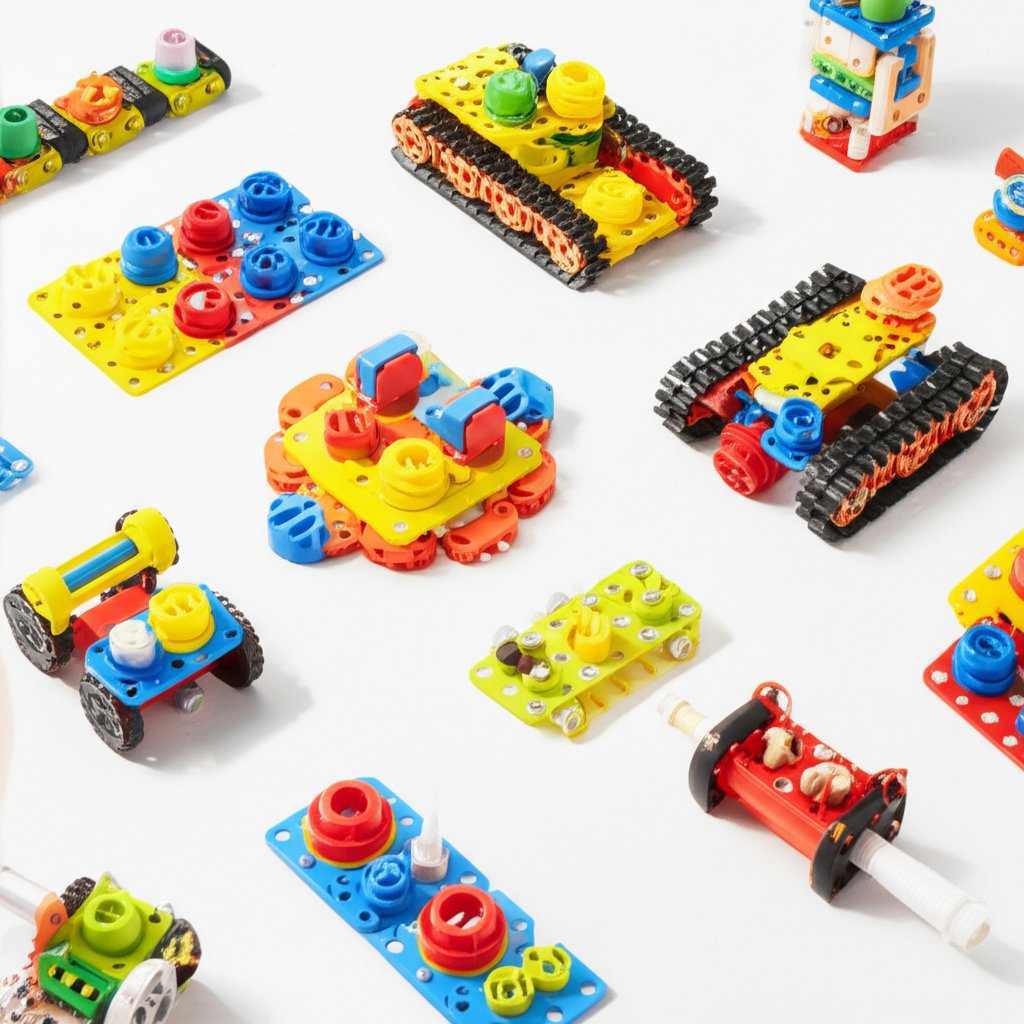
Ages 8-12: The STEM kits at $13 target this range—more complex builds, programming introduction
Ages 12+: Advanced electronics, coding, complex mechanical systems
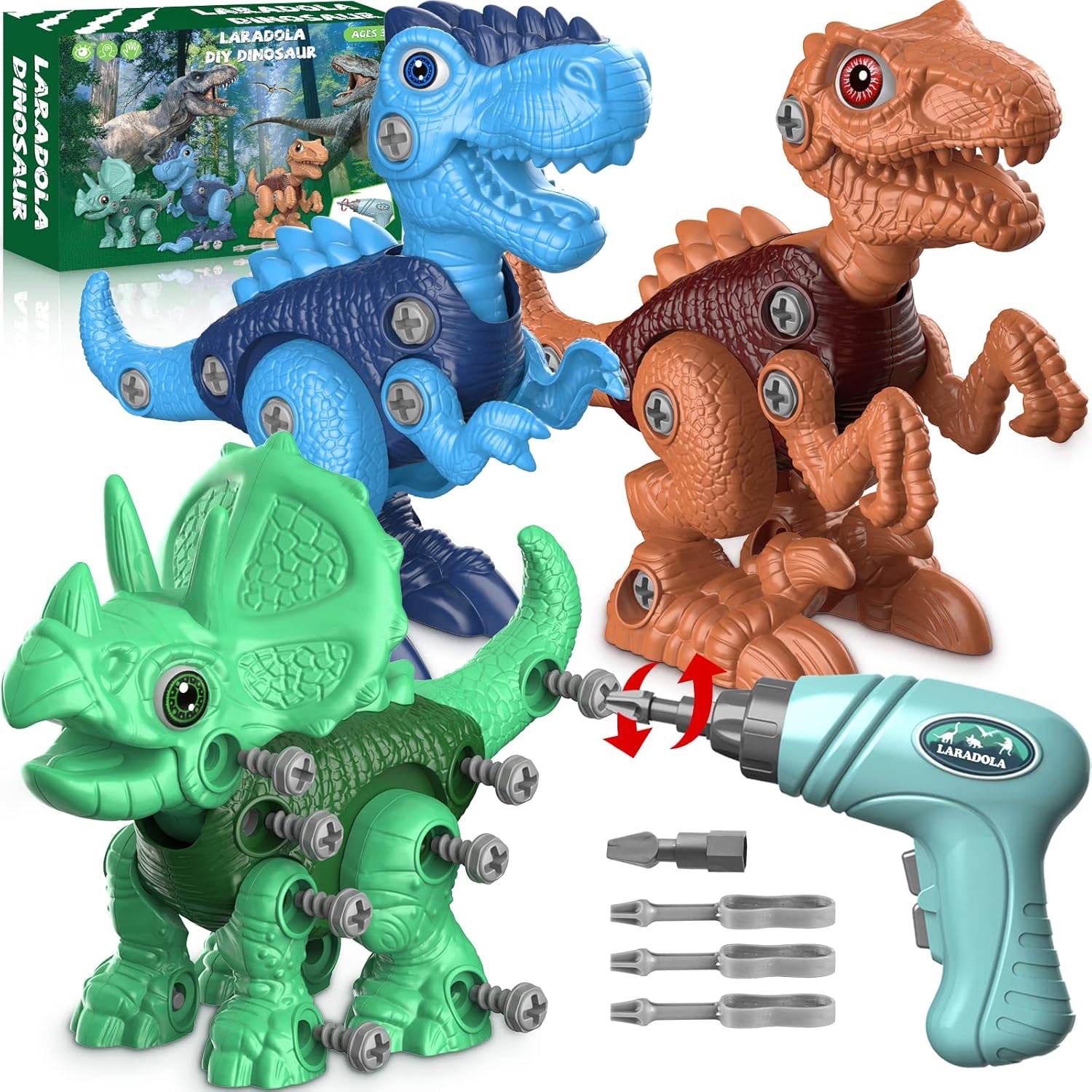
The Laradola dinosaur toys at $30 target younger builders. Mismatching complexity causes frustration (too hard) or boredom (too simple).
Kit Types
STEM toys span diverse educational approaches:
Building kits: Mechanical construction teaching engineering principles
Electronics kits: Circuits, lights, motors teaching electrical concepts
Robotics kits: Programmable builds combining multiple disciplines
Science experiment kits: Hands-on chemistry, physics demonstrations
Coding toys: Programming concept introduction through play
Different children engage with different STEM aspects. Matching kit type to child interests increases engagement likelihood.
Supervision Requirements
STEM toy independence varies:
Self-guided: Child can complete independently
Adult-assisted: Requires parent involvement for steps
Adult-dependent: Essentially parent project with child watching
For busy parents, self-guided options suit better. For parent-child bonding, guided activities provide shared experience. Realistic assessment of available supervision prevents frustration.
Replayability
STEM toy value depends partly on replay potential:
Single-build kits: Built once, then become display or parts
Reconfigurable builds: Multiple configurations from same parts
Consumable experiments: Use-once science kits requiring refills
Open-ended systems: Expandable sets enabling ongoing building
Single-build kits provide intense short-term engagement; open-ended systems offer longer-term value but higher initial investment.
Quality and Durability
STEM toy construction affects experience:
Instruction clarity: Good instructions enable independent completion
Part precision: Well-made parts fit together properly
Durability: Construction survives handling and play
Missing parts: Quality control prevents frustrating incompleteness
Budget kits sometimes suffer from poor instructions or imprecise parts that prevent successful completion—undermining the entire educational purpose.
Screen Integration
Some STEM toys incorporate apps and screens:
Coding toys: Teach programming through app interfaces
AR integration: Augmented reality enhancing physical play
Guided building: App instructions replacing paper manuals
Screen integration can enhance learning but may also just add screen time to what could be screen-free play. Parent preferences regarding screen time should inform selection.
Practical Recommendations
For exploration: Budget STEM kits ($10-20) test interest before larger investment.
For engaged builders: Quality building systems (LEGO Technic, etc.) provide lasting value through replayability.
For coding interest: Age-appropriate programmable robots introduce concepts progressively.
For screen limits: Seek toys teaching STEM concepts without app dependency.
The key insight: STEM toys teach best when matching child age, interest, and available supervision. Mismatched complexity undermines educational value.
Frequently Asked Questions
ما الذي يجب أن أبحث عنه عند شراء ألعاب الجذع؟
تشمل العوامل الرئيسية جودة البناء ومراجعات المستخدمين والقيمة مقابل المال. توضح الخيارات الأعلى تصنيفًا مثل مجموعات SCAEMO STEM للأطفال الذين تتراوح أعمارهم بين 8-10-12-14 (4.6 ★ من 366 مراجعة) الشكل الذي تبدو عليه الجودة في هذه الفئة.
كم تكلف ألعاب STEM عادة؟
تتراوح الأسعار من 12 دولارًا إلى 35 دولارًا ، مع معظم خيارات الجودة حوالي 23 دولارًا. تعمل خيارات الميزانية التي تقل عن 19 دولارًا للاستخدام العرضي ، بينما توفر الطرازات المتميزة التي تزيد عن 35 دولارًا متانة وميزات أفضل.
ما هي ألعاب STEM الأكثر شعبية الآن؟
أطقم STEM للأطفال الذين تتراوح أعمارهم بين 8-10-12-14 هي حاليًا أعلى تصنيف مع 4.6 ★ من 366 تقييمًا تم التحقق منه. تحقق من مقارنتنا الكاملة في / best / stem-toys لجميع الاختيارات الأفضل.