 PickPundit
🧱 Sådan vælger du det bedste byggelegetøj: Komplet købsvejledning

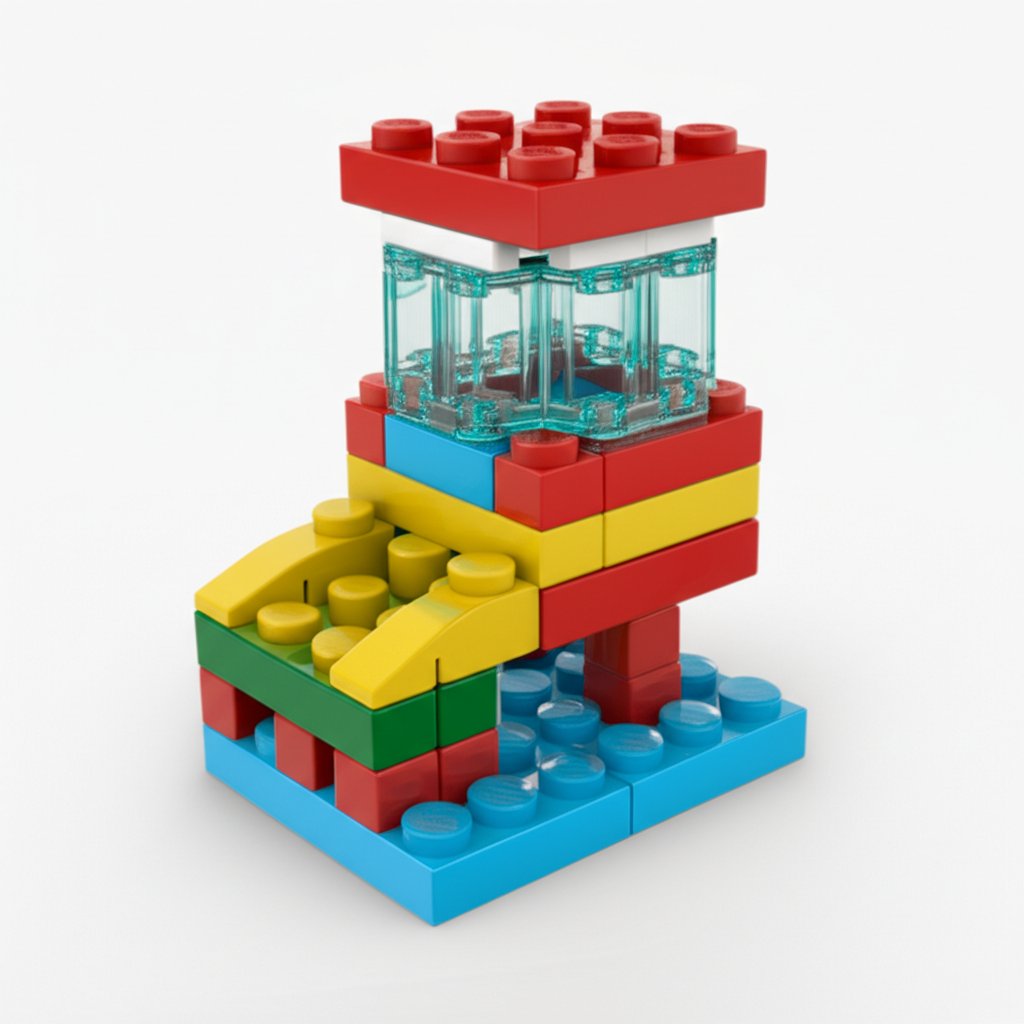
Complete building toys buying guide. Learn what features matter, compare top products, and find the best building toys for your budget.
View Top Picks →Table of Contents
Building Toys: Construction Play From Blocks to Complex Sets
Building toys develop spatial reasoning, fine motor skills, and creativity through hands-on construction. Understanding age-appropriate complexity, different building systems, and play value helps choose construction toys that engage rather than frustrate young builders.
Building Toy Categories
Different construction systems:
Interlocking bricks (LEGO): The dominant system. Precise fit, vast ecosystem.
Magnetic tiles: Easy connection, geometric exploration.
Wooden blocks: Classic, open-ended, no wrong way to build.
Construction sets: Nuts, bolts, tools—engineering focused.
STEM building: Robotics, circuits, coding integration.
The LEGO Botanicals and TOSY Magnet Pyramid represent different approaches.
Age-Appropriate Complexity
Matching toys to development:
Ages 1-3: Large blocks (Duplo, Mega Bloks). Easy grip, safe sizes.
Ages 4-6: Standard LEGO, simple magnetic sets. Following basic instructions.
Ages 7-10: Complex sets, themed collections. Detailed instructions.
Ages 11+: Technic, architecture, advanced sets. Adult-level complexity.
Adult builders: LEGO Botanicals targets adult hobbyists.
LEGO Ecosystem
The building toy standard:
Quality consistency: Pieces fit precisely across decades of production.
Theme variety: Star Wars, Harry Potter, Technic, Creator, Architecture.
Resale value: Popular sets retain or increase value.
Compatibility: All standard LEGO pieces work together.
Cost: Premium pricing reflects quality and licensing.
Magnetic Building Toys
The TOSY Magnet Pyramid type:
Easy connection: Magnets snap together without precise alignment.
Geometric learning: Natural shapes emerge from magnetic properties.
Age range: Younger children can succeed earlier than with bricks.
Durability: Fewer small pieces, harder to damage.
Different play: More abstract, less instructed than LEGO.
Display vs Play
Two building toy approaches:
Display sets: Built once, displayed permanently. LEGO Botanicals, Architecture.
Play sets: Built, played with, rebuilt. Minifigures, vehicles, playsets.
Modularity: Some sets designed for rebuilding into alternate models.
Storage: Play sets need organization systems for pieces.
Instruction Following vs Free Building
Different skill development:
Following instructions: Sequential thinking, attention to detail, patience.
Free building: Creativity, problem-solving, spatial reasoning.
Both valuable: Complete sets develop instruction skills; free play develops creativity.
Encourage both: Mixed approach provides rounded development.
Set Complexity Indicators
Understanding what you're buying:
Piece count: More pieces generally means longer build, more complexity.
Age rating: Manufacturer guidance on appropriate difficulty.
Build time: Complex sets take hours or days.
Minifigures: Popular component of play-focused sets.
Quality Variations
Not all building toys equal:
LEGO quality: Tight tolerances, consistent fit, premium price.
Compatible brands: Varying quality. Some excellent, some frustrating.
Magnetic tile quality: Magnet strength and durability vary significantly.
Safety testing: Reputable brands meet safety standards.
STEM Building Integration
Educational building toys:
Coding elements: Programmable bricks (LEGO Mindstorms, Boost).
Circuit building: Electricity concepts through construction.
Engineering focus: Gears, pulleys, mechanical principles.
Screen integration: Apps complement physical building.
Storage and Organization
Managing building toy collections:
Sorted storage: By color, piece type, or set.
Unsorted bins: Simpler but harder to find specific pieces.
Display cases: For completed display sets.
Travel options: Portable containers for on-the-go building.
Gift Considerations
Choosing building toys as gifts:
Interest alignment: Theme matching (dinosaurs, space, vehicles).
Age appropriateness: Don't over-complicate for young builders.
Expansion potential: Sets that integrate with existing collection.
Completeness: Standalone sets vs expansion packs.
Practical Recommendations
For toddlers: Large blocks (Duplo). Safe, graspable, foundational.
For young children: Basic LEGO or magnetic tiles. Success without frustration.
For older children: Themed LEGO sets matching interests.
For adult hobbyists: LEGO Botanicals, Architecture, Technic—display-worthy builds.
The key insight: building toys develop valuable skills through engaging play. Match complexity to age, consider whether display or play is the goal, and invest in quality systems that grow with the builder.
Frequently Asked Questions
What should I look for when buying building toys?
Key factors include build quality, user reviews, and value for money. Top-rated options like the LEGO LEGO Botanicals Happy Plants Building Toys - Bedro (4.9★ from 1,387 reviews) demonstrate what quality looks like in this category.
How much do building toys typically cost?
Prices range from $8 to $32, with most quality options around $18. Budget options under $12 work for occasional use, while premium models over $27 offer better durability and features.
Which building toys are most popular right now?
The LEGO Botanicals Happy Plants Building Toys - Bedroom or Dorm is currently top-rated with 4.9★ from 1,387 verified reviews. Check our full comparison at /best/building-toys for all top picks.
⚖️ Quick Comparison
| Product | Price | Rating | Key Feature |
|---|---|---|---|
| $18.39 | DELIGHT YOUNG GARDENERS – Help little ones get growing with the LEGO Botanicals ... | ||
|
#2
|
$22.76 | 1 BILLION SHAPES - Featuring 243 rare earth magnets, the patent-pending TOSY Mag... | |
|
#3
|
$10.14 | Build, Stack & Imagine Kids explore endless possibilities by stacking, balancing... |


