 PickPundit
🐕 So wählen Sie die besten Hundespielzeuge aus: Kompletter Kaufanleitung

Complete dog toys buying guide. Learn what features matter, compare top products, and find the best dog toys for your budget.
View Top Picks →Table of Contents
Dog Toys: Durability Ratings, Safety Considerations, and Matching Toys to Play Styles
Dog toys range from destroyed-in-minutes to lasting-years depending on toy quality and dog intensity. Understanding what makes toys durable—and safe—helps select appropriate options.
Play Style Assessment
Chewers need durable toys that survive aggressive mouth work. Fabric and thin rubber fail quickly.
Fetchers want throwable toys that travel well and are easy to grip. Durability matters less; retrieval dynamics matter more.
Tuggers need toys with handles that stay attached under tension. Flimsy construction fails during enthusiastic tug sessions.
Puzzlers enjoy toys requiring problem-solving for treat release. Mental stimulation differs from physical play.
Durability Reality
No toy is truly indestructible despite marketing claims. "Durable" means lasting longer for destructive dogs—not forever.
Durability ratings assume dog intensity. A "heavy chewer" toy may fail immediately with extreme chewers.
Supervision during play catches problems before dangerous pieces are swallowed. Don't assume any toy is fully safe unsupervised.
Material Safety
Natural rubber (like Kong) is generally safe and durable. Look for quality brands; cheap rubber may contain harmful chemicals.
TPE (thermoplastic elastomer) offers flexibility without rubber's durability. More for moderate chewers.
Rope toys seem safe but fibers can be swallowed, creating intestinal blockages. Supervise rope play; discard fraying ropes.
Squeakers and stuffing present choking hazards if toys are destroyed. Many dogs seek to remove these components.
Size Appropriateness
Toys should be large enough that dogs can't swallow them. Tennis balls, for example, are choking hazards for large dogs.
Small toys in big mouths are dangerous. Err on larger sizes when uncertain.
Puppies need smaller toys initially but graduate quickly. Monitor size appropriateness as dogs grow.
Fetch Toy Considerations
Tennis balls are classic but felt covering wears tooth enamel. Rubber balls may be healthier for dental surfaces.
Ball size should prevent swallowing. Launcher balls are sized appropriately for the launchers—not all dogs.
Floating toys suit water-retrieving dogs. Sinking toys are lost toys.
Launchers (Chuckit-style) extend throw distance and keep hands clean. Useful for energetic dogs needing significant exercise.
Chew Toy Selection
Hard rubber toys (Kong classic) survive most chewers. Fill with treats for extended engagement.
Nylon bones (Nylabone style) provide chewing outlet. Check for sharp edges developing as toys wear.
Natural chews (antlers, bully sticks, bones) satisfy chewing urges but need supervision. Splintering or piece-breaking creates hazards.
Avoid cooked bones—they splinter dangerously. Raw bones are less risky but still require supervision.
Interactive and Puzzle Toys
Puzzle feeders slow eating and provide mental stimulation. Difficulty levels should match dog problem-solving abilities.
Treat-dispensing toys extend engagement beyond simple play. Quality varies; cheap mechanisms jam.
Interactive electronic toys provide automated play but depend on batteries and mechanisms. Not replacements for human interaction.
Rotating Toys
Dogs lose interest in constantly available toys. Rotating toy availability maintains novelty.
Keep toy selections fresh by putting some away while others are active. Reintroduction creates renewed interest.
Favorite comfort toys may be exceptions—some dogs want specific toys always available.
Cleaning Requirements
Toys accumulate dirt, saliva, and bacteria. Regular washing maintains hygiene.
Dishwasher-safe toys (hard rubber, many nylons) clean easily. Fabric toys may need machine washing.
Stuffed toys harbor bacteria in fill material. Consider surface-cleanable options for hygiene-conscious households.
Cost vs Value
Cheap toys destroyed immediately cost more over time than durable quality toys.
Calculate cost-per-play-session rather than purchase price. Durable $15 toys may beat destroyed $5 toys.
Some dogs need expensive durable toys; others do fine with budget options. Know your dog's intensity.
Practical Recommendations
For moderate chewers, quality rubber toys (Kong, West Paw) ($10-20) provide durability and safety.
For extreme chewers, heavy-duty rubber or nylon ($15-30) lasts longer. Accept that nothing is indestructible.
For mental stimulation, puzzle feeders ($15-40) provide enrichment beyond physical play.
Frequently Asked Questions
Worauf muss ich beim Kauf von Hundespielzeug achten?
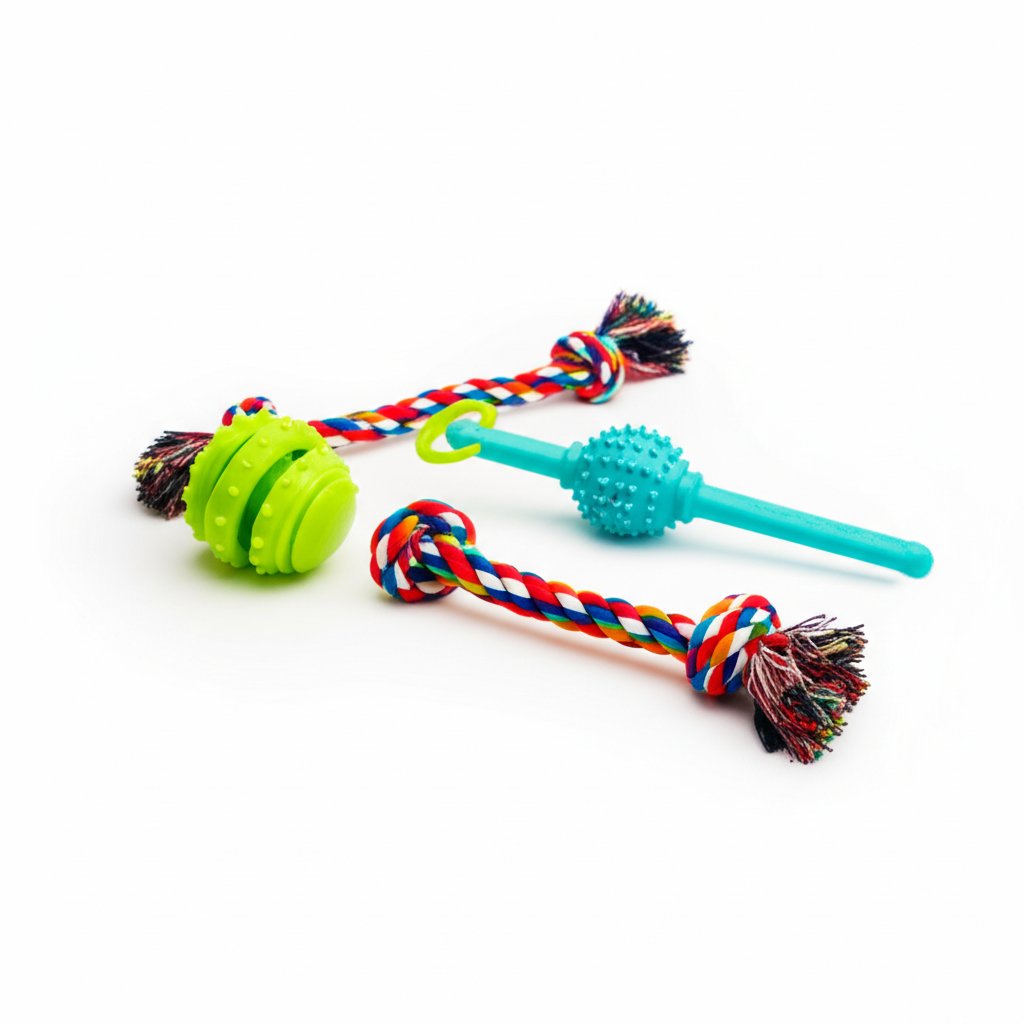
Zu den Schlüsselfaktoren gehören die Verarbeitungsqualität, die Benutzerbewertungen und das Preis-Leistungs-Verhältnis. Top-bewertete Optionen wie das Frienhund Tough Dog Toys für aggressive Kauer 3er Pack (4.3★ aus 3.727 Bewertungen) zeigen, wie Qualität in dieser Kategorie aussieht.
Wie viel kosten Hundespielzeug normalerweise?
Die Preise liegen zwischen 6 und 20 US-Dollar, die meisten Qualitätsoptionen liegen bei 12 US-Dollar. Budgetoptionen unter 8 US-Dollar funktionieren für den gelegentlichen Gebrauch, während Premium-Modelle über 18 US-Dollar eine bessere Haltbarkeit und eine bessere Haltbarkeit bieten.
Welche Hundespielzeuge sind derzeit am beliebtesten?
Das Tough Dog Toys für aggressive Kauer 3er Pack ist derzeit mit 4.3★ von 3.727 überprüften Bewertungen bestbewertet. Überprüfen Sie unseren vollständigen Vergleich bei / best / hundespielzeug für alle Top-Picks.
⚖️ Quick Comparison
| Product | Price | Rating | Key Feature |
|---|---|---|---|
| $19.99 | WORTH YOUR MONEY Three the Fun for the Price of One! Get 3 indestructible pet to... | ||
| $12.99 | Long-lasting,This sturdy chewing toy is designed to promote the health of dogs' ... | ||
|
#3
|
$16.99 | Long Lasting Dog Toys - This dog chew toys for aggressive chewers is made from b... |


