 PickPundit
🎧 How to Choose the Best Headphones: Complete Buying Guide

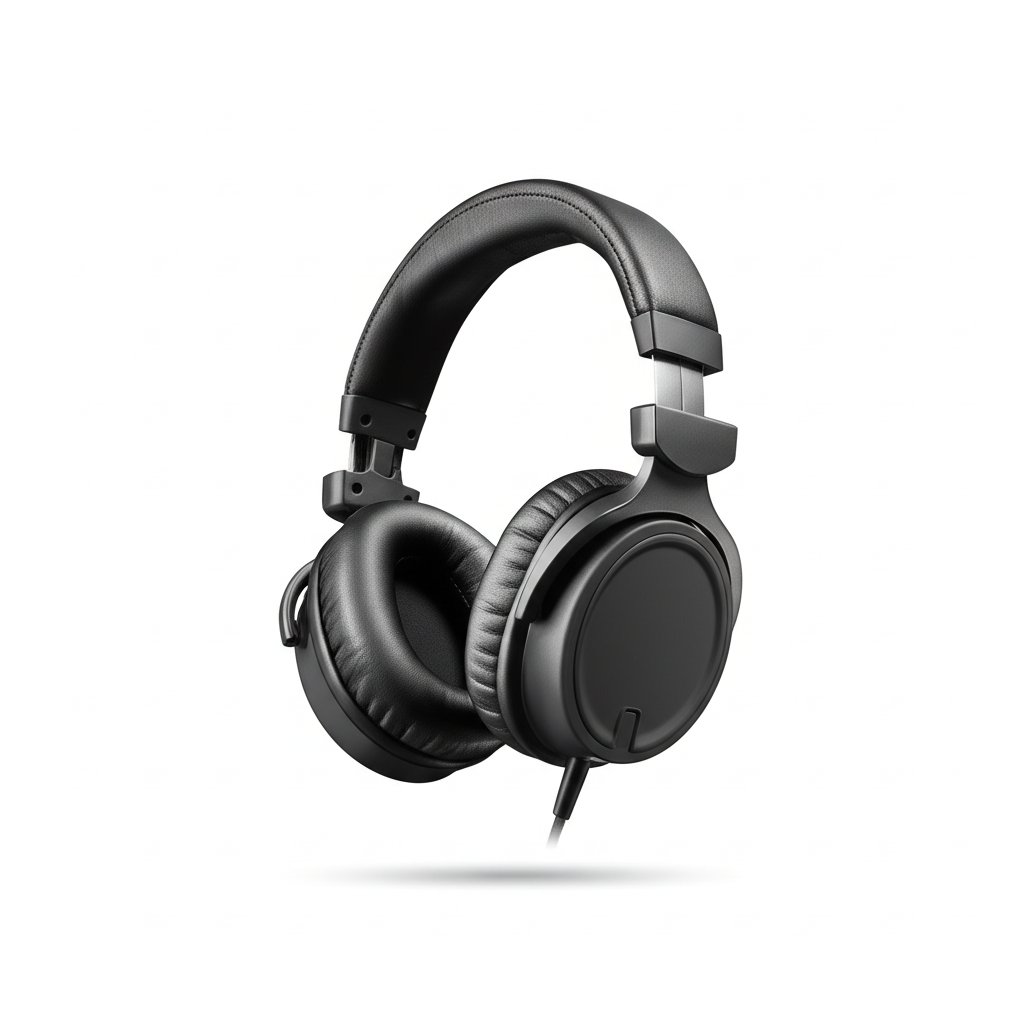
Complete headphones buying guide. Learn what features matter, compare top products, and find the best headphones for your budget.
View Top Picks →Table of Contents
Headphones: The Studio Monitor vs Consumer Tuning Expectation
Headphone reviews from audiophiles and casual listeners rate same products oppositely: "Bass-heavy and muddy" (audiophile) vs "Great bass and exciting sound" (casual listener).
This split reflects different tuning philosophies: studio monitors prioritize flat/accurate reproduction, consumer headphones emphasize enhanced bass and treble for "exciting" sound. Understanding which tuning matches your use prevents buying wrong type.
The Open-Back vs Closed-Back Isolation Trade-Off
Open-back headphones (ear cups with vents/grilles allowing air passage): Natural soundstage, reduced driver resonance, better for long listening sessions. Also: zero noise isolation - you hear environment, environment hears your audio. Inappropriate for commuting, offices, or anywhere requiring sound containment.
Closed-back headphones (sealed ear cups): Noise isolation in both directions, bass emphasis through sealed acoustic chamber. Also: can feel stuffy during long wear, reduced soundstage compared to open-back.
The use-case mismatch: buying open-back for commute results in environmental noise overwhelming music and annoying fellow passengers with audio leakage. Buying closed-back for home listening sacrifices soundstage quality open-backs provide.
For single-environment use (home-only or portable-only), choose appropriately. For multi-environment, accept needing two pairs or compromising in both environments.
The Impedance Matching To Source
Low-impedance headphones (16-32 ohms): Work adequately with phone/tablet/laptop headphone jacks. Efficient power use, sufficient volume from weak sources.
High-impedance headphones (250-600 ohms): Require dedicated headphone amplifier to reach adequate volume and drive drivers properly. Direct phone connection produces quiet, thin sound lacking bass.
The high-impedance headphones pair purchased without amplifier creates disappointment: "Sound quality terrible, bass missing, too quiet." Adding $100-300 amplifier reveals actual sound quality but the combined cost wasn't planned.
Marketing rarely emphasizes impedance matching requirement - listings show headphones in isolation without mentioning amplifier necessity for high-impedance models.
The Comfort vs Clamp Force Balance
Adequate clamp force: Keeps headphones positioned on head, prevents sliding during movement. Also: creates pressure on temples/head causing discomfort during extended wear.
Loose clamp force: Comfortable for extended sessions. Also: headphones shift position, fall off during head movement, lose seal affecting bass response.
The clamp force sweet spot varies per individual head size/shape. Reviews mentioning "too tight" or "too loose" reflect personal fit issues not universal quality problems. The adjustable headband mechanisms enable some customization but can't solve extreme fit mismatches.
For glasses wearers specifically, clamp force creates additional pressure point at temples where glasses arms sit. Headphones designed for glasses wearers use softer/deeper ear cushions and lower clamp force, but sacrifice security during movement.
The Bluetooth Codec Quality Hierarchy
SBC codec: Universal Bluetooth standard, lowest quality, noticeable compression artifacts, latency issues for video.
AAC codec: Better quality than SBC, native to Apple devices, adequate for casual listening.
aptX/aptX HD: Higher quality, lower latency, requires both headphones and source device support. Not universally compatible.
LDAC: Highest Bluetooth quality, approaching wired quality, requires Sony devices or Android with LDAC support.
Budget Bluetooth headphones (under $100) typically support SBC only. Mid-range ($100-300) add AAC and sometimes aptX. Premium ($300+) include LDAC or other high-quality codecs.
The codec limitation: buying premium Bluetooth headphones with LDAC, then using with iPhone (AAC maximum) means never experiencing the quality you paid for. Verify your devices support the codecs your headphones offer before assuming compatibility.
The Active Noise Cancellation (ANC) vs Passive Isolation
Passive isolation: Ear cup seal physically blocks external noise through cushion compression against head. Effective for steady noise (airplane cabin, office HVAC), less effective for irregular noise (conversations, sudden sounds).
Active noise cancellation: Microphones detect external noise, generate inverse sound waves canceling it. Effective for low-frequency rumble (airplane, train, traffic), less effective for high-frequency (voices, sharp sounds). Adds $50-200 to cost, reduces battery life (8-12 hours typical vs 30+ for passive).
For quiet environments (home listening), ANC adds cost without benefit. For noisy environments (commute, travel), ANC transforms listening experience but requires charging routine and accepting battery limitation.
The ANC pressure sensation: Some users report feeling "underwater" or pressure sensation from ANC activation. This isn't defect but ANC technology side effect. For affected individuals, ANC headphones become unusable despite premium price.
The Honest Framework
Casual listening/commute ($50-150): Closed-back Bluetooth with AAC codec, accepting SBC/AAC quality limitations, ANC if noise environment justifies.
Home critical listening ($200-500): Open-back wired, verify impedance matches sources or budget for amplifier, accepting no portability.
Studio monitoring/production ($150-400): Flat-tuned closed-back, wired connection, comfortable for 4-8 hour sessions.
Exercise/active use ($80-200): Secure fit priority (ear hooks, headband tension), water resistance rating, accepting sound quality compromise for security.
Travel/commute noise cancellation ($200-400): Premium ANC (Sony WH-1000XM series or Bose equivalent), accepting battery management requirement.
The headphone purchase regret typically stems from tuning mismatch (audiophile buying consumer-tuned or vice versa), impedance mismatch (high-impedance without amplifier), or use-case mismatch (open-back for commute). Matching product type to actual intended use prevents these common disappointments.
Frequently Asked Questions
What should I look for when buying headphones?
Key factors include build quality, user reviews, and value for money. Top-rated options like the Beats Beats Solo 4 - Wireless On-Ear Bluetooth Headphone (4.6★ from 20,476 reviews) demonstrate what quality looks like in this category.
How much do headphones typically cost?
Prices range from $14 to $210, with most quality options around $59. Budget options under $21 work for occasional use, while premium models over $89 offer better durability and features.
Which headphones are most popular right now?
The Beats Solo 4 - Wireless On-Ear Bluetooth Headphones is currently top-rated with 4.6★ from 20,476 verified reviews. Check our full comparison at /best/headphones for all top picks.


