 PickPundit
📦 How to Choose the Best Pasta Makers: Complete Buying Guide

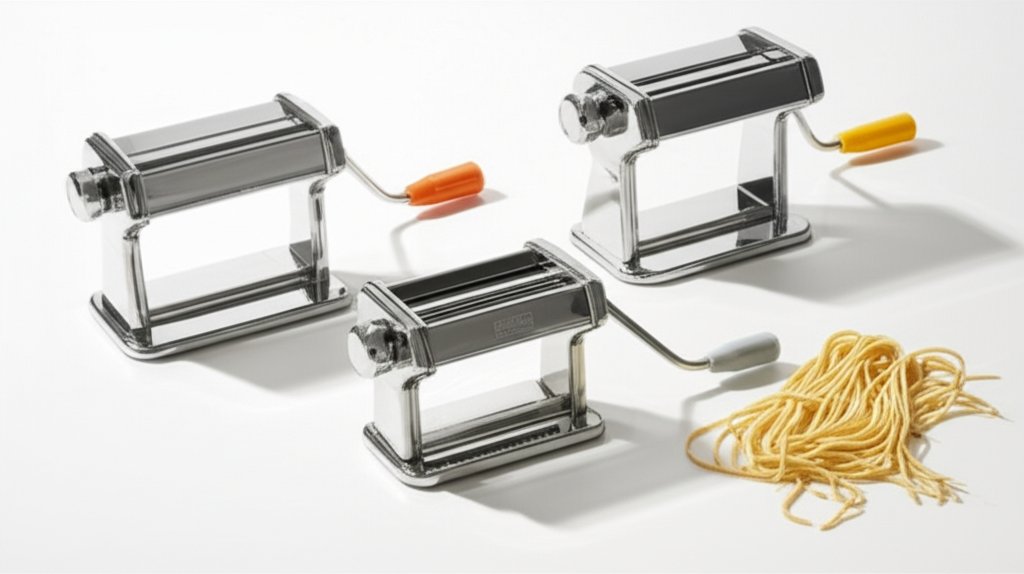
Complete pasta makers buying guide. Learn what features matter, compare top products, and find the best pasta makers for your budget.
View Top Picks →Table of Contents
Pasta Makers: Manual vs Electric, Attachment Types, and Fresh Pasta Creation
Pasta makers transform dough into fresh pasta sheets, noodles, and shapes. Understanding machine types and capabilities helps select appropriate pasta-making equipment.
Manual vs Electric
Manual: hand-crank operation, affordable, workout.
Electric: motorized, hands-free, convenient.
Attachment-based: use with stand mixers.
Consider production volume and preference.
Manual Machine Benefits
Affordable entry point.
Control over thickness and speed.
No electricity needed.
Physical effort required.
Electric Machine Advantages
Hands-free operation.
Faster production.
Consistent results.
Higher price point.
Stand Mixer Attachments
Attach to KitchenAid and similar mixers.
Use mixer motor for power.
Multiple pasta shapes available.
Requires compatible mixer investment.
Roller Thickness Settings
Multiple settings from thick to thin.
Numbered settings vary by manufacturer.
Gradually reduce thickness for best results.
Different pastas need different thicknesses.
Cutting Attachments
Fettuccine width most common.
Spaghetti for thinner noodles.
Additional widths available.
Match to preferred pasta types.
Material Construction
Stainless steel: durable, easy to clean.
Chrome-plated: traditional, less durable.
Plastic components on budget models.
Metal construction preferred for longevity.
Extruder Machines
Push dough through dies.
Create shapes (rigatoni, penne).
Different from roller machines.
More complex operation.
Clamping and Stability
Clamps secure machine to counter.
Stable base prevents movement.
Quality clamps essential for operation.
Consider counter edge compatibility.
Cleaning Requirements
Remove dough residue after use.
No water on roller surfaces typically.
Dry brush cleaning for rollers.
Follow manufacturer instructions.
Dough Preparation
Pasta maker quality matters less than dough quality.
Proper dough consistency essential.
Resting dough improves results.
Recipe and technique matter most.
Practical Recommendations
For beginners, manual pasta machines ($40-80) teach technique affordably.
For regular pasta making, quality manual machines ($80-150) provide durability.
For convenience, stand mixer attachments ($150-250) automate the process.
Master dough technique before investing in expensive equipment.
Frequently Asked Questions
What should I look for when buying pasta makers?
Key factors include build quality, user reviews, and value for money. Top-rated options like the MARCATO MARCATO Made in Italy Atlas 150 Classic Manual Pas (4.6★ from 27,202 reviews) demonstrate what quality looks like in this category.
How much do pasta makers typically cost?
Prices range from $26 to $240, with most quality options around $73. Budget options under $40 work for occasional use, while premium models over $110 offer better durability and features.
Which pasta makers are most popular right now?
The MARCATO Made in Italy Atlas 150 Classic Manual Pasta Maker M is currently top-rated with 4.6★ from 27,202 verified reviews. Check our full comparison at /best/pasta-makers for all top picks.


