 PickPundit
🏃 So wählen Sie die besten Laufbänder aus: Kompletter Kaufanleitung

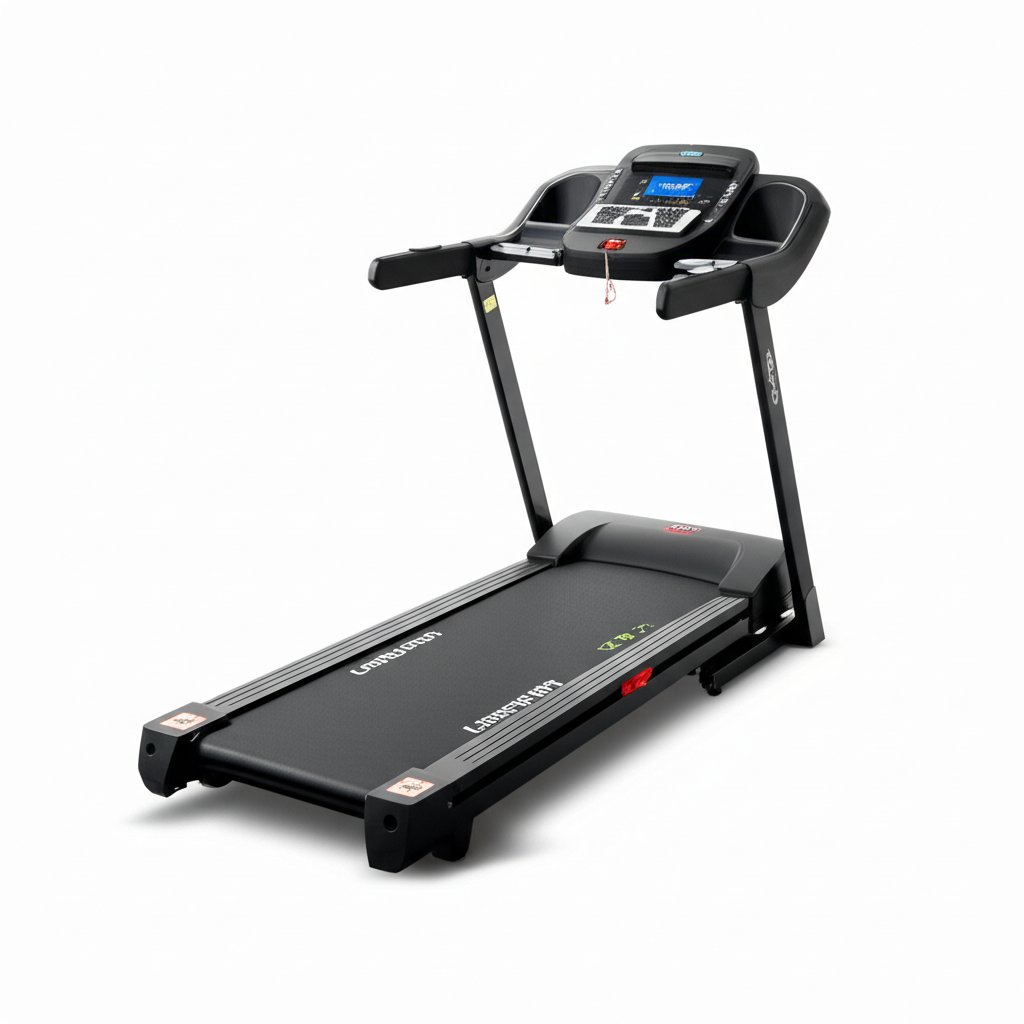
Complete treadmills buying guide. Learn what features matter, compare top products, and find the best treadmills for your budget.
View Top Picks →Table of Contents
Treadmills: The $500 vs $2,000 Longevity Question
Treadmill reviews from 18-24 months post-purchase divide sharply by price point: Budget treadmills ($400-700) develop issues (motor struggles, belt slipping, deck creaking). Premium treadmills ($1,500-3,000) maintain smooth operation.
The durability gap is real and predictable. Understanding the lifespan expectations prevents disappointed reviews documenting "died after 18 months."
The Motor Horsepower vs User Weight Matching
Motor HP ratings determine sustainable running capability:
1.5-2.0 HP: Walking only, struggles with running especially for users over 180 pounds.
2.5-3.0 HP: Handles running for users up to 220 pounds, adequate for most home use.
3.0+ HP: Supports heavy users (220+ pounds) running, commercial-grade durability.
The underpowered motor problem: 180-pound user running on 2.0 HP treadmill strains motor beyond designed capacity. Motor overheats, wears rapidly, fails prematurely.
Matching motor HP to user weight and activity intensity (walking vs running vs sprinting intervals) prevents motor failure from overwork.
The Deck Size vs Running Stride
Deck width: 16-18 inches adequate for walking, 20 inches minimum for running, 22 inches preferred for tall runners.
Deck length: 45-50 inches adequate for walking, 55-60 inches minimum for running, 65+ inches for tall runners.
The cramped deck: Runners on 45-inch deck with 60-inch stride length must shorten stride unnaturally, creating awkward gait and potential injury from altered running form.
Tall runners (over 6'0") require 60+ inch decks for natural stride. Budget treadmills with 50-inch decks force stride shortening creating uncomfortable running experience.
The Cushioning vs Outdoor-Feel Firmness
Heavy cushioning: Reduces joint impact, feels softer, easier on knees. Also: creates unstable running surface, different from outdoor running feel.
Minimal cushioning: Firmer feel matching outdoor running, more stable. Also: higher joint impact, less forgiving for injury-prone.
The preference split: Runners recovering from injuries or with joint issues prefer cushioning. Runners training for outdoor races prefer firmer feel matching outdoor surface.
Adjustable cushioning (rare, premium feature) enables customizing firmness, but adds $200-400 to cost.
The Folding vs Non-Folding Space Trade-Off
Folding treadmills: Deck folds vertically for storage, saves floor space when not in use. Also: folding mechanisms add weight, reduce stability, create potential failure points, cost premium ($100-200).
Non-folding treadmills: Permanent floor presence, more stable, simpler mechanics. Also: occupies 25-35 square feet permanently.
For dedicated home gym with space, non-folding provides superior stability. For shared spaces (bedroom, living room) where treadmill must disappear when unused, folding necessity despite stability sacrifice.
The folding mechanism adds complexity that can fail - reviews document hinges breaking, latches failing to hold, requiring repair or replacement.
Framework
Walking only ($400-700): 2.0 HP adequate, 45-50 inch deck, accepting basic features and 3-5 year lifespan.
Running regular ($1,000-1,800): 2.5-3.0 HP, 55-60 inch deck, cushioning for joint protection, expecting 5-8 year lifespan.
Serious training ($1,800-3,000): 3.0+ HP commercial-grade, 60+ inch deck, incline capability, built for daily use and 10+ year lifespan.
Space-constrained ($600-1,200): Folding mechanism, accepting stability compromise for space savings.
Tall runners ($1,200-2,500): 60+ inch deck non-negotiable, 3.0+ HP for power, accepting premium for size requirements.
The treadmill quality directly correlates with price more than most product categories. The $500 treadmill lasting 2 years isn't defective - it's performing to its build-quality tier. Expecting $500 treadmill to match $2,000 treadmill longevity creates inevitable disappointment. Budget accordingly for expected usage intensity and lifespan.
Frequently Asked Questions
Worauf muss ich beim Kauf von Laufbändern achten?
Zu den Schlüsselfaktoren gehören die Verarbeitungsqualität, die Benutzerbewertungen und das Preis-Leistungs-Verhältnis. Top-bewertete Optionen wie die NordicTrack NordicTrack T-Serie (4.3★ aus 32.198 Rezensionen) zeigen, wie Qualität in dieser Kategorie aussieht.
Wie viel kosten Laufbänder normalerweise?
Die Preise reichen von 95 bis 1000 US-Dollar, die meisten Qualitätsoptionen liegen bei 360 US-Dollar. Budgetoptionen unter 142 US-Dollar funktionieren für den gelegentlichen Gebrauch, während Premium-Modelle über 540 US-Dollar eine bessere Haltbarkeit und eine bessere Haltbarkeit bieten.
Welche Laufbänder sind derzeit am beliebtesten?
Die NordicTrack T-Serie ist derzeit mit 4.3★ von 32.198 überprüften Bewertungen bestbewertet. Überprüfen Sie unseren vollständigen Vergleich bei / best / treadmills für alle Top-Picks.


