 PickPundit
📦 How to Choose the Best Wireless Microphones: Complete Buying Guide

Complete wireless microphones buying guide. Learn what features matter, compare top products, and find the best wireless microphones for your budget.
View Top Picks →Table of Contents
Wireless Microphones: The Freedom That Requires System Understanding
Wireless microphone systems provide cable-free audio—essential for presenters, performers, and content creators who move during speaking or singing. But wireless systems involve complexity that wired microphones avoid: frequency management, battery concerns, and interference potential.
System Components
Wireless microphone systems include multiple components:
Transmitter: Handheld mic with built-in transmitter, or bodypack transmitter with lavalier/headset mic
Receiver: Connects to sound system or camera, receives wireless signal
Antennas: Built into receiver, or external for extended range
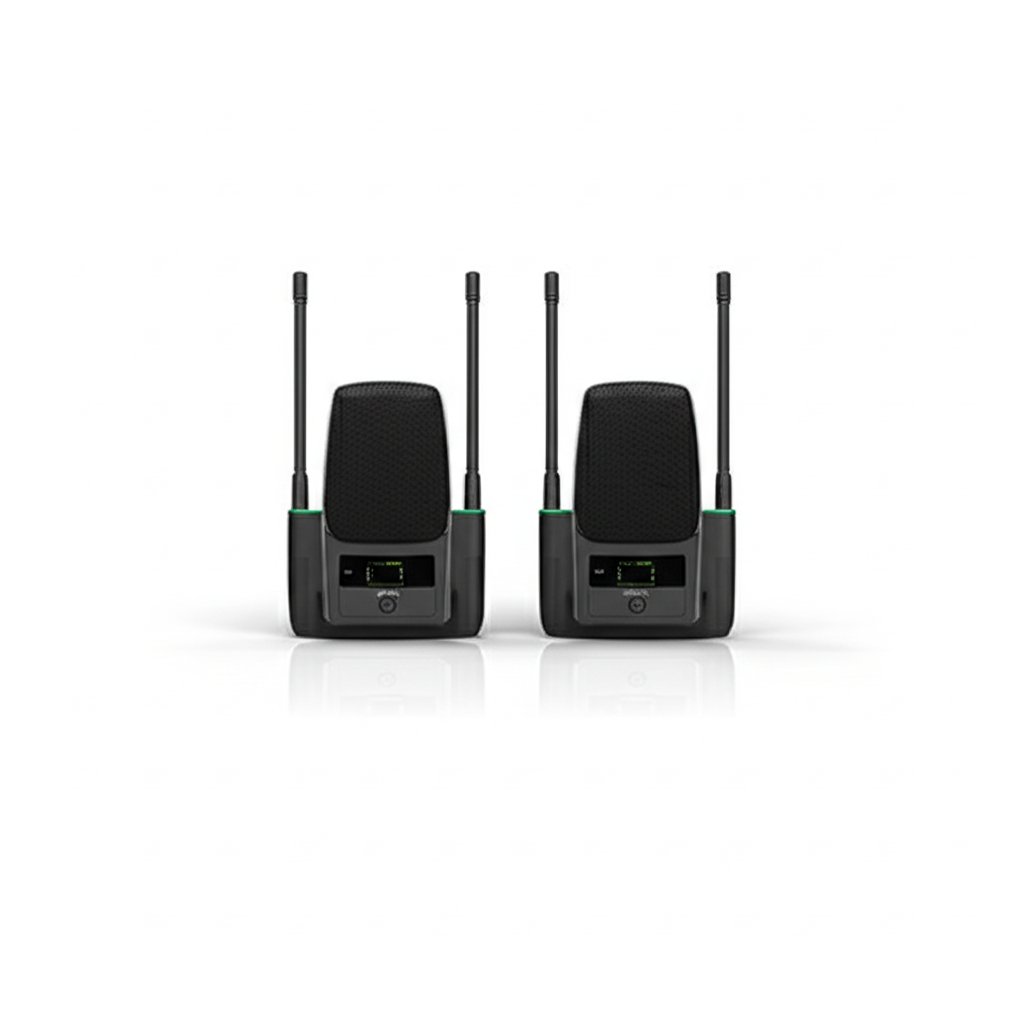
The TONOR at $92 and Phenyx Pro at $88 represent complete systems with transmitters and receivers included.
Handheld vs Lavalier vs Headset
Wireless microphone form factors serve different purposes:
Handheld wireless: Traditional microphone with built-in transmitter. Best for singing and presentations where mic holding is natural.
Lavalier/lapel: Small clip-on mic with bodypack transmitter. Hands-free, less visible, common for presentations and video.
Headset: Over-ear mic with bodypack transmitter. Maximum consistency since mic-to-mouth distance stays constant.
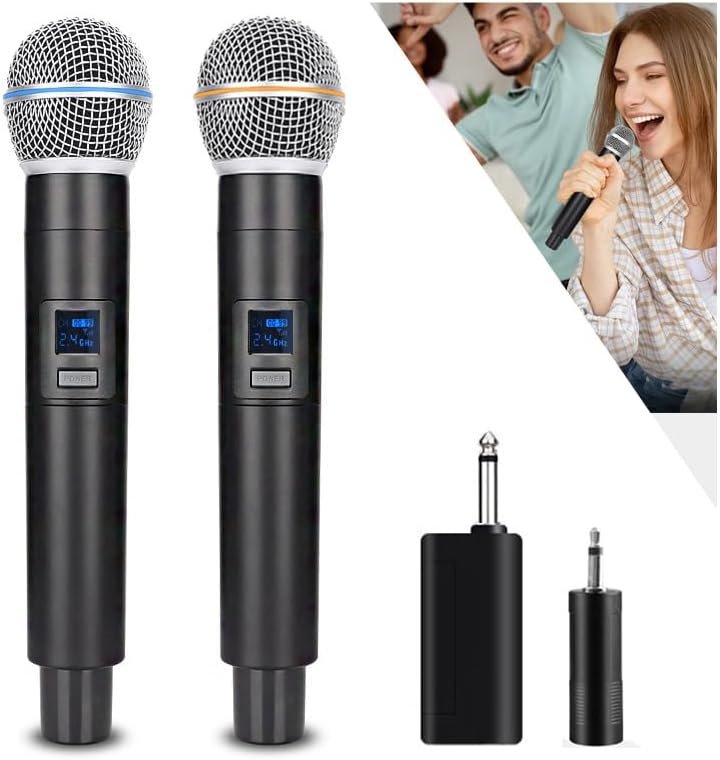
The dual karaoke microphones at $19 represent the simplest handheld wireless approach—paired transmitters for two-person performance.
Frequency Considerations
Wireless microphones operate on specific frequencies:
UHF (Ultra High Frequency): Professional standard, better range and quality
VHF (Very High Frequency): Older technology, more interference-prone
2.4 GHz: Digital systems avoiding traditional wireless bands
Frequency selection affects:
- Interference susceptibility from other wireless devices
- Legal operation (some frequencies require licensing)
- Maximum number of simultaneous systems
Quality systems like TONOR and Phenyx Pro use UHF with multiple selectable channels for interference avoidance.
Multi-Channel Systems
The TONOR system's "4x10 channels" means multiple frequency options:
Channel selection: Choose from available frequencies to avoid interference
Multiple simultaneous mics: Different mics on different channels in same system
Venue flexibility: Switch channels if local interference exists
For single-microphone use, multi-channel provides backup options. For multiple simultaneous microphones, channel count limits simultaneous users.
Range and Reliability
Wireless microphone range depends on:
Transmitter power: Higher power = longer range (with battery trade-off)
Receiver sensitivity: Quality receivers capture weaker signals
Environment: Walls, metal, and other transmitters reduce effective range
Line of sight: Clear path between transmitter and receiver improves reliability
Claimed ranges (often 100-300 feet) represent ideal conditions. Real-world range in buildings with obstacles is typically 50-70% of claims.
Audio Quality
Wireless systems affect audio quality:
Compression: Audio may be compressed for transmission
Noise floor: Some systems introduce background noise
Frequency response: May not match wired microphone quality
Latency: Digital systems may have slight delay
Professional-grade wireless approaches wired quality. Budget systems may noticeably compromise audio compared to equivalent wired microphones.
Battery Considerations
Wireless microphones require power:
Transmitter batteries: Need replacement or recharging
Battery life: Typically 4-10 hours depending on system
Battery indicators: Quality systems show remaining battery
Rechargeable options: Some systems include rechargeable batteries
Battery failure during performance is embarrassing and preventable with proper management.
Interference Management
Wireless microphones can experience interference:
Other wireless systems: Nearby microphones on same frequencies
WiFi networks: Can interfere with 2.4 GHz systems
Electronic equipment: Various devices can create interference
Venue-specific issues: Some locations have problematic RF environments
Multi-channel systems enable switching away from interference. Single-channel budget systems offer no recourse.
Practical Recommendations
For karaoke and home use: Budget dual systems at $19-30 provide adequate performance.
For presentations and content creation: Quality UHF systems at $80-100 provide reliable, clean audio.
For professional performance: Invest in established pro-audio brands with proven reliability and audio quality.
For multi-microphone needs: Verify channel count supports intended simultaneous microphone quantity.
The key insight: wireless microphones trade simplicity for freedom. Proper system selection and management prevents the reliability issues that make wireless problematic.
Frequently Asked Questions
What should I look for when buying wireless microphones?
Key factors include build quality, user reviews, and value for money. Top-rated options like the TONOR TONOR Wireless Microphones System with 4x10 Channe (4.4★ from 830 reviews) demonstrate what quality looks like in this category.
How much do wireless microphones typically cost?
Prices range from $19 to $200, with most quality options around $71. Budget options under $28 work for occasional use, while premium models over $107 offer better durability and features.
Which wireless microphones are most popular right now?
The TONOR Wireless Microphones System with 4x10 Channels Cordles is currently top-rated with 4.4★ from 830 verified reviews. Check our full comparison at /best/wireless-microphones for all top picks.