 PickPundit
👶 Cómo elegir los mejores asientos de automóvil: guía de compra completa

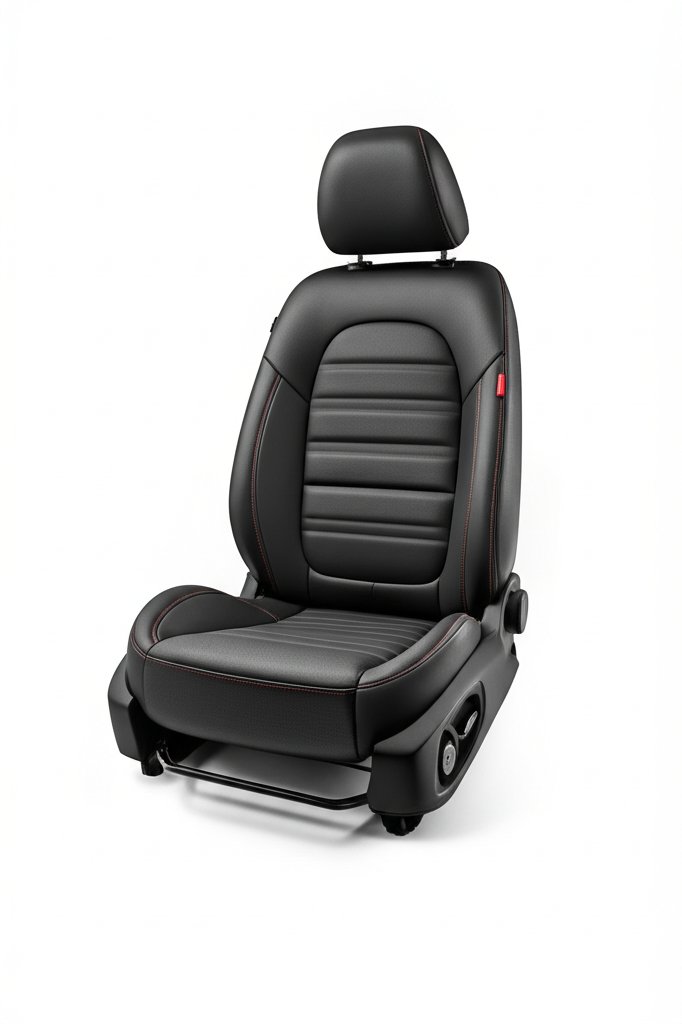
Complete car seats buying guide. Learn what features matter, compare top products, and find the best car seats for your budget.
View Top Picks →Table of Contents
Car Seats: Installation Methods, Safety Standards, and the Expiration Date Reality
Car seats carry more regulation and more confusion than almost any baby product. Understanding the safety basics, proper installation, and when to replace seats cuts through marketing claims to keep children actually safer.
Types by Age and Size
Infant seats (rear-facing only) fit newborns to roughly 30-35 pounds. Convenient carrier design clicks in/out of bases. Children outgrow height limits (head near shell top) before weight limits usually.
Convertible seats transition from rear-facing to forward-facing, serving from birth through 40-65 pounds forward-facing. Larger and heavier but eliminates transition between infant and convertible stages.
All-in-one seats continue from infant through booster stage. Most economical long-term but very large for small vehicles and infant positioning can be awkward.
Booster seats elevate children so vehicle seat belts fit properly. High-back boosters provide head support; backless boosters offer portability once children are large enough.
Rear-Facing Duration
Current recommendations: rear-facing until at least age 2, ideally until children outgrow rear-facing limits of their seat (often 40+ pounds for convertibles).
Extended rear-facing dramatically reduces injury risk in frontal crashes—the most common collision type. Despite parental concerns about leg room, children adapt and legs compress safely.
Forward-facing before age 2 satisfies legal minimums in most states but doesn't optimize safety. Regulations reflect floors, not best practices.
Installation Methods
LATCH (Lower Anchors and Tethers for Children) provides standardized attachment points in vehicles made after 2002. Easier for correct installation but has weight limits (usually 65 pounds total including seat).
Seat belt installation works in any vehicle regardless of age. With practice, seat belt installation can be as secure as LATCH. Required once LATCH weight limits are exceeded.
Tether straps (upper anchors) significantly reduce forward head movement in crashes. Always use tethers for forward-facing seats—they provide safety benefit regardless of LATCH or seat belt installation.
Expiration Dates: Real or Marketing?
Expiration dates (typically 6-10 years from manufacture) reflect real material degradation. Plastic weakens from temperature cycling and UV exposure; harness webbing weakens over time.
However, manufacturers have incentive to encourage replacement. A seat in climate-controlled storage likely maintains integrity longer than heavily used seats in extreme climates.
Using expired seats in crashes creates legal liability. Even if structural integrity remains, using expired seats may affect insurance claims and legal cases.
Common Installation Mistakes
Loose installation allows excessive movement. Seats shouldn't move more than 1 inch at the belt path. Knee-in-seat pressure while tightening helps achieve proper tightness.
Incorrect recline affects crash protection, particularly rear-facing. Most seats have level indicators; use them.
Twisted harness straps don't protect properly. Take time to straighten straps at each use.
Chest clip positioning matters—at armpit level, not abdomen. Incorrect positioning can cause internal injuries in crashes.
Practical Recommendations
For newborns, infant carriers ($100-200) offer convenience for frequent in/out transitions. Convertible seats from birth work fine for families who don't need carrier portability.
For tight budgets, quality convertibles ($150-300) used from birth through forward-facing provide best value per year of use. Don't compromise on safety to save money.
Get installation checked. Fire stations, hospitals, and certified technicians verify proper installation free. Even experienced parents benefit from verification—installation errors are extremely common.
Frequently Asked Questions
¿Qué debo buscar al comprar asientos de coche?
Los factores clave incluyen la calidad de construcción, las revisiones de los usuarios y la relación calidad-precio. Las opciones mejor calificadas como el asiento de coche para bebés Trend EZ-Lift Plus Baby Trend EZ-Lift Plus (4.6★ de 1.569 comentarios) demuestran cómo se ve la calidad en esta categoría.
¿Cuánto cuestan normalmente los asientos de automóvil?
Los precios oscilan entre $55 y $400, con la mayoría de las opciones de calidad alrededor de $183. Las opciones económicas de menos de $82 funcionan para uso ocasional, mientras que los modelos Premium de más de $275 ofrecen una mejor durabilidad y características.
¿Qué asientos de automóvil son más populares en este momento?
El asiento de automóvil para bebés Baby Trend EZ-Lift Plus está actualmente en el mejor precio con 4.6★ desde 1.569 reseñas verificadas. Consulte nuestra comparación completa en /Best/Car-Seats para todas las mejores selecciones.


