 PickPundit
🤖 Cómo elegir las mejores aspiradoras de robot: guía de compra completa

Complete robot vacuums buying guide. Learn what features matter, compare top products, and find the best robot vacuums for your budget.
View Top Picks →Table of Contents
Robot Vacuums: Automation Reality vs Marketing Promises
Robot vacuums promise hands-free floor cleaning, and modern models increasingly deliver—but understanding what they actually automate helps set realistic expectations. The gap between marketing videos and real-world performance in actual homes narrows with each generation, but limitations remain.
Vacuum vs Mop Combos
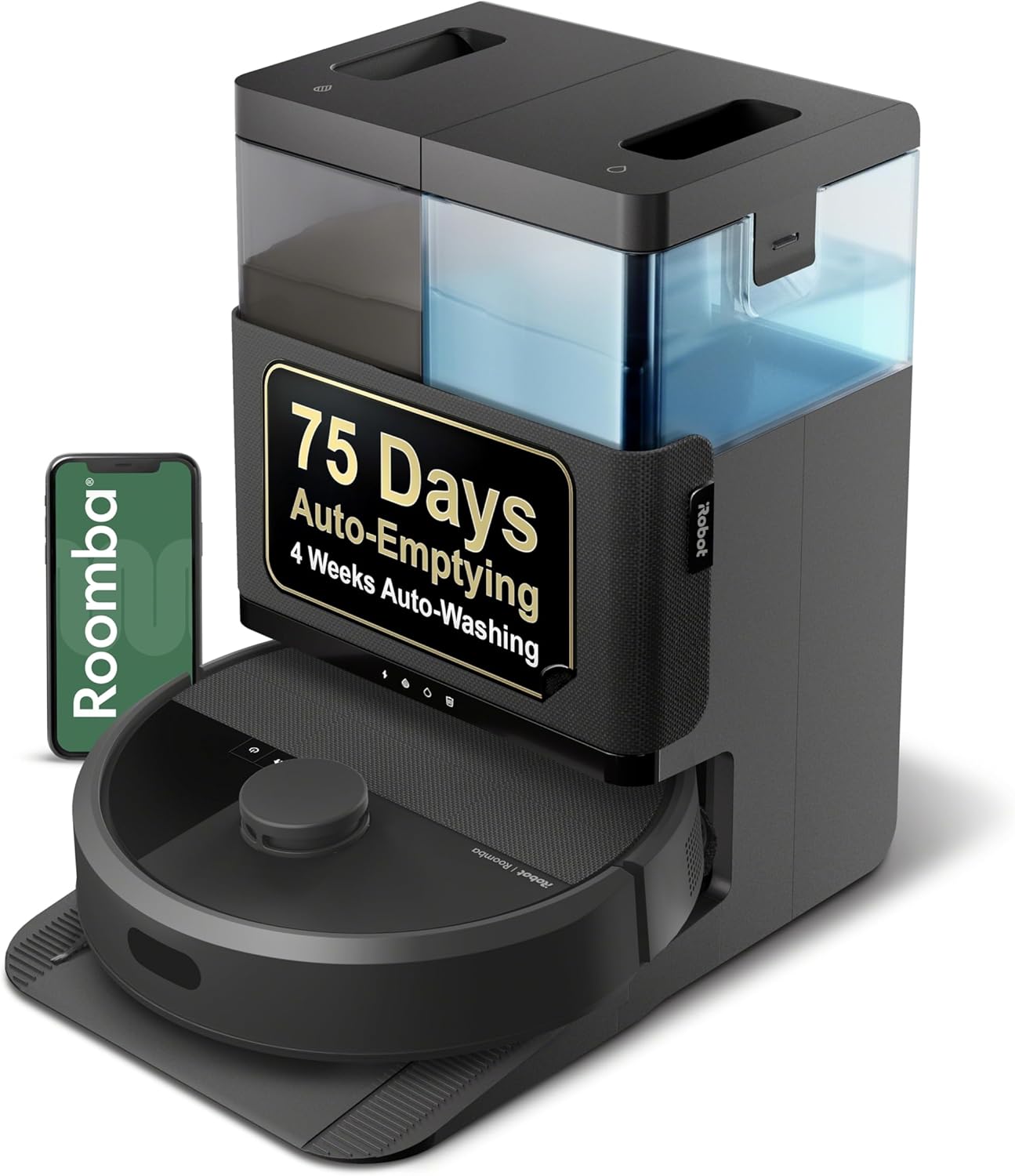
The iRobot Roomba Combo models represent the current trend:
Vacuum-only robots: Focus on one job, often do it better. Simpler maintenance.
Vacuum-mop combos: Two functions, more convenience, more compromise. Mopping pads need cleaning/replacement.
Mopping effectiveness: Robot mopping is light cleaning—dried spills and stubborn stains need human intervention. Good for maintenance, not deep cleaning.
Separate vs combined: Two specialized robots often outperform one combo, but cost and storage considerations matter.
Navigation Technology
How robots find their way:
Random bounce (basic models): Bounce off obstacles, eventually cover floor. Slow, inefficient, misses spots.
Camera/VSLAM navigation: Visual mapping creates floor plans. More systematic cleaning patterns.
LiDAR navigation: Laser mapping, typically most accurate. Works in dark rooms unlike cameras.
Mapping capabilities: Smart robots remember layouts, set room boundaries, and clean specific areas on command.
iRobot's models use various navigation—research specific model numbers for navigation type.
Suction Power Reality
Suction ratings mislead:
Pa ratings: Higher pascals indicate stronger suction, but real-world pickup depends on brush design, airflow, and floor type.
Bare floor vs carpet: Strong suction matters most for carpet. Bare floors need less power, more brush contact.
Battery tradeoff: Maximum suction drains batteries faster. Many robots offer multiple power modes.
Self-Emptying Bases
A genuine convenience evolution:
How it works: Robot returns to base, base vacuums dustbin into larger bag/container.
Bin capacity: Bases hold weeks to months of debris depending on home size and pet hair.
Noise: Base vacuuming is louder than robot operation—typically runs for 10-30 seconds.
Cost: Self-emptying models cost significantly more. Worth it for set-and-forget operation.
Pet Hair Considerations
Pet owners face specific challenges:
Brush type: Rubber extractors (like iRobot) resist hair tangles better than bristle brushes.
Frequent emptying: Pet homes fill bins faster. Self-emptying bases shine here.
Allergen filtration: HEPA filtration captures pet dander. Important for allergy sufferers.
Furniture clearance: Low-profile robots reach under furniture where pet hair accumulates.
Multi-Level Homes
Stairs create robot vacuum challenges:
No stair cleaning: Robots don't climb stairs. Each level needs separate robot or manual carrying.
Cliff sensors: Prevent tumbles down stairs—essential safety feature.
Map storage: Premium robots store multiple floor maps, recognize which level they're on.
Scheduling and Smart Features
Automation depth varies:
Basic scheduling: Clean at set times. Most robots offer this.
Room-specific cleaning: Clean just the kitchen after dinner. Requires mapping capability.
Voice assistant integration: "Alexa, vacuum the living room." Convenient for smart home users.
Dirty area detection: Some robots identify dirtier zones and clean more thoroughly.
Obstacle Avoidance
What robots handle (and don't):
Cliff detection: Standard—robots avoid stairs and ledges.
Object avoidance: Premium robots detect and navigate around cables, shoes, pet waste.
Furniture protection: Bumper sensors slow before contact on better models.
Problem areas: Shag carpets, black rugs (confuse cliff sensors), loose cables remain challenging.
Maintenance Requirements
Robots need regular care:
Dustbin emptying: Daily to weekly depending on home and pets.
Filter cleaning: Monthly cleaning, replacement every few months.
Brush cleaning: Hair wraps around brushes, needs cutting off periodically.
Sensor cleaning: Dirty sensors impair navigation and cliff detection.
Battery replacement: 2-4 year lifespan before capacity degrades significantly.
Price vs Performance
Robot vacuum pricing tiers:
Budget ($150-300): Basic navigation, adequate suction, manual emptying. Entry-level automation.
Mid-range ($300-600): Mapping, app control, decent navigation. Good value for most homes.
Premium ($600-1000+): Self-emptying, advanced navigation, obstacle avoidance. Maximum convenience.
Realistic Expectations
What robot vacuums actually deliver:
Daily maintenance: Excellent. Keeping floors acceptably clean between deep cleans.
Deep cleaning replacement: No. Periodic traditional vacuuming still needed for thorough cleaning.
Corner performance: Robots miss corners and edges. Some offer side brushes to help, but imperfect.
Under furniture: Excellent. Robots clean areas humans rarely reach.
Practical Recommendations
For pet owners: Self-emptying base with rubber extractors. HEPA filtration for allergies.
For small apartments: Budget robots suffice. Simple spaces don't need advanced navigation.
For multi-room homes: Mapping robots with room-specific cleaning. LiDAR navigation for efficiency.
For smart home integration: Verify compatibility with existing ecosystem before purchase.
The key insight: robot vacuums excel at maintenance cleaning—running daily to prevent buildup. They complement rather than replace traditional vacuums for deep cleaning.
Frequently Asked Questions
¿Qué debo buscar al comprar aspiradoras de robot?
Los factores clave incluyen la calidad de construcción, las revisiones de los usuarios y la relación calidad-precio. Las opciones mejor calificadas como el iRobot iRobot Roomba Plus 405 (G185) Robot aspirador combinado y (3.8★ de 1.453 comentarios) demuestran cómo se ve la calidad en esta categoría.
¿Cuánto cuestan normalmente las aspiradoras robotizadas?
Los precios oscilan entre $21 y $1000, con la mayoría de las opciones de calidad alrededor de $315. Las opciones económicas de menos de $32 funcionan para uso ocasional, mientras que los modelos Premium por encima de $473 ofrecen una mejor durabilidad y características.
¿Qué aspiradoras de robot son más populares en este momento?
El robot de vacío y trapeador combinado con Roomba Plus 405 (G185) está actualmente en el mejor valor con 3.8★ de 1.453 reseñas verificadas. Consulte nuestra comparación completa en /Best/Robot-Vacums para conocer todas las mejores selecciones.
⚖️ Quick Comparison
| Product | Price | Rating | Key Feature |
|---|---|---|---|
| $399.00 | STRONG SUCTION SERIOUS MOPPING. Devours messes from crumbs to pawprints with 70x... | ||
| $269.00 | UP TO 75 DAYS HANDS-FREE CLEANING. Dirt and dust stay gone because it empties in... | ||
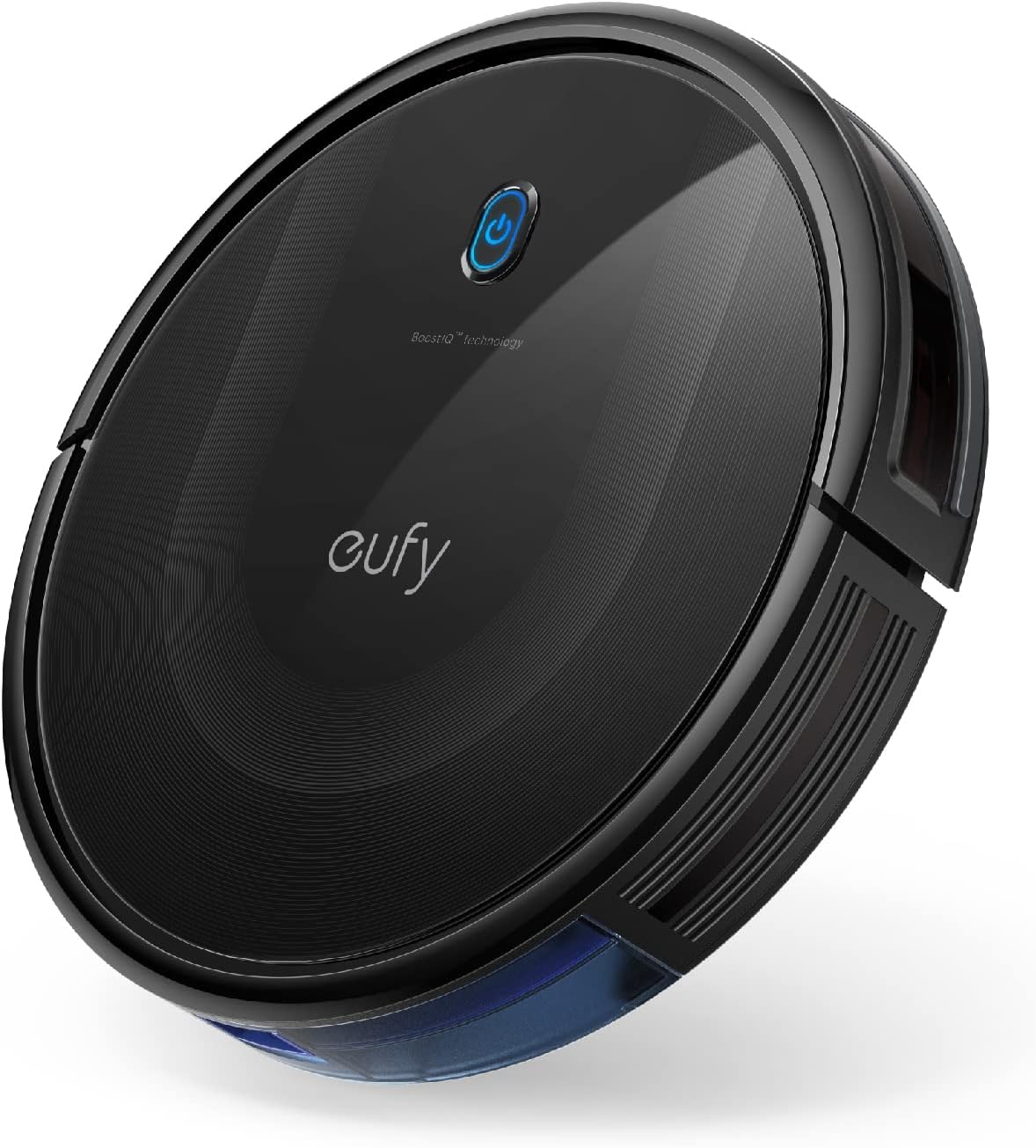
| $149.99 | 1. Compact and Quiet Operation With a slim 2.85" profile, the eufy robot vacuum ... |