 PickPundit
🌱 Kuinka valita parhaat kompostiastiat: Täydellinen ostoopas

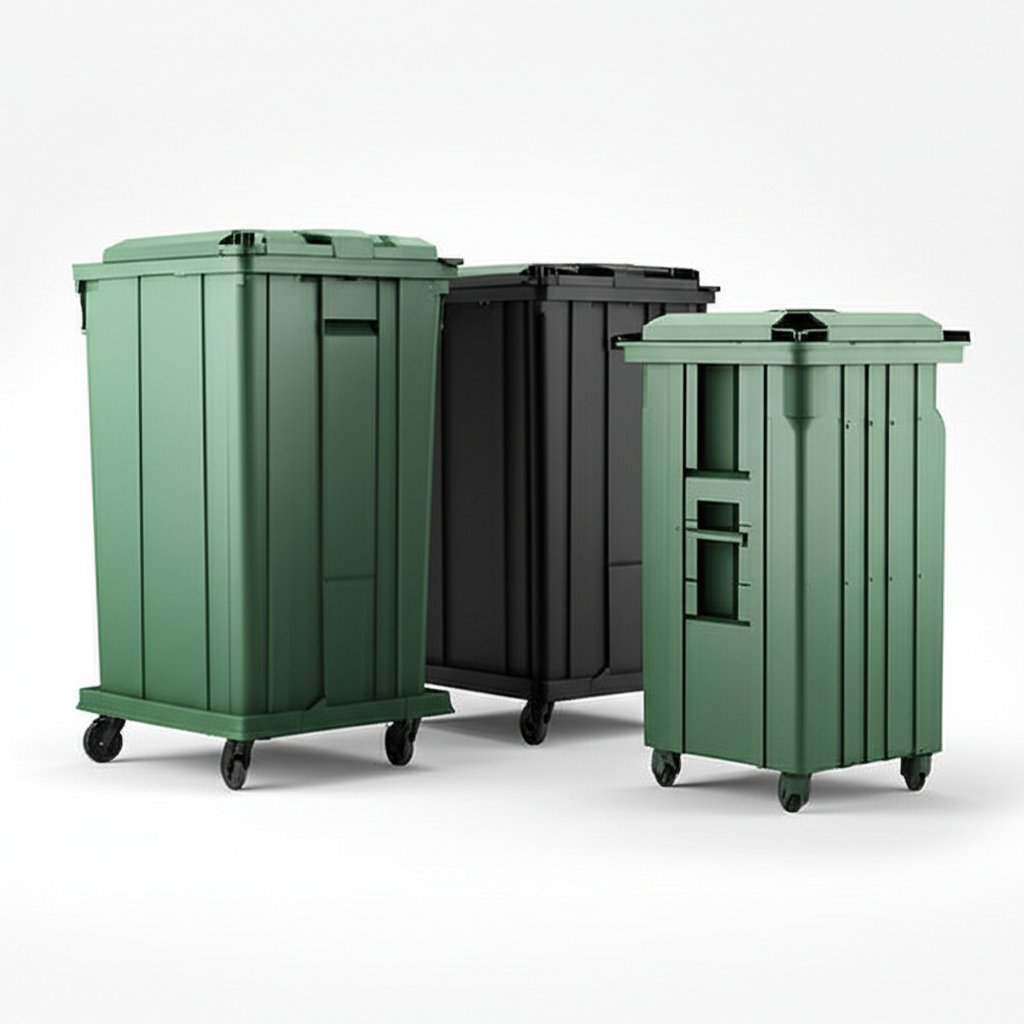
Complete compost bins buying guide. Learn what features matter, compare top products, and find the best compost bins for your budget.
View Top Picks →Table of Contents
Compost Bins: Kitchen Scraps to Garden Gold
Compost bins collect food scraps for decomposition into nutrient-rich soil amendment. Understanding bin types, what can be composted, and odor management helps establish sustainable kitchen waste routines that actually work.
Indoor vs Outdoor Composting
Two-stage system typical:
Kitchen countertop bins: Collect scraps temporarily. The OXO and stainless steel bins.
Outdoor compost piles/bins: Where decomposition actually happens.
Complete cycle: Kitchen bin → outdoor bin → finished compost → garden.
Apartment composting: Limited to countertop collection for municipal composting or vermicomposting.
Countertop Bin Features
What makes good kitchen bins:
Capacity: 1-1.5 gallons typical. Empty every few days.
Lid seal: Contain odors between empties.
Carbon filters: OXO Easy-Clean includes filter for odor absorption.
Cleaning ease: Removable inner bucket, dishwasher-safe components.
Appearance: Something you'll keep on counter.
Materials and Durability
Bin construction options:
Stainless steel: Durable, doesn't absorb odors, cleans easily.
Plastic: Lighter, cheaper, may stain/absorb odors over time.
Ceramic: Attractive, heavy, breakable.
Bamboo/wood: Natural look, may develop odor issues.
Odor Management
The main concern with kitchen composting:
Lid seal: Primary odor containment.
Carbon filters: Absorb odors that escape. Replace periodically.
Frequent emptying: Don't let scraps sit too long.
What you compost: Meat and dairy cause more odor than fruit/vegetable scraps.
What Can Be Composted
Safe for most composting:
Yes: Fruit/vegetable scraps, coffee grounds, tea bags, eggshells, bread.
Avoid: Meat, dairy, oils (attract pests, cause odor).
Depends on system: Some outdoor bins handle more; countertop collection should be selective.
Municipal programs: May accept wider range than home composting.
Outdoor Bin Types
Where decomposition happens:
Tumbler bins: Rotating drums. Easy turning, faster decomposition.
Stationary bins: Open-bottom bins on ground. Simpler, larger capacity.
Pile composting: No bin—just managed pile. Cheapest, needs space.
Worm bins (vermicomposting): Indoor option. Worms process scraps.
The Composting Process
What's actually happening:
Decomposition: Microorganisms break down organic matter.
Browns and greens: Balance carbon (browns) and nitrogen (greens).
Moisture: Damp but not wet. Like wrung-out sponge.
Aeration: Turning provides oxygen for aerobic decomposition.
Time: Weeks to months depending on method and materials.
Common Mistakes
Composting problems and prevention:
Too wet: Add browns (leaves, cardboard), turn more.
Too dry: Add water, more greens.
Bad smell: Usually too wet or wrong materials. Adjust balance.
Pests: Avoid meat/dairy, keep lids secure, bury fresh scraps.
Apartment/Condo Composting
Without outdoor space:
Municipal collection: Many cities collect compostables.
Community gardens: Some accept compost contributions.
Vermicomposting: Worm bins work indoors.
Bokashi: Fermentation method for indoor use.
Freezer storage: Freeze scraps until disposal available.
Starting Simple
Low-barrier entry:
Begin with countertop collection: The OXO bin is good starting point.
Learn what works: Observe what your household produces.
Expand gradually: Add outdoor composting when ready.
Municipal first: Easiest if your city collects compostables.
Cleaning and Maintenance
Keeping bins functional:
Regular emptying: Every 2-5 days depending on household.
Washing: Soap and water between empties.
Filter replacement: Carbon filters every 2-4 months.
Outdoor bins: Seasonal turning, moisture monitoring.
Practical Recommendations
For beginners: OXO Easy-Clean or similar quality countertop bin. Start collecting, find disposal solution.
For gardeners: Complete system with outdoor tumbler or bin for finished compost.
For apartments: Countertop bin plus municipal pickup or community garden drop-off.
For committed composters: Larger capacity outdoor system, possibly vermicomposting addition.
The key insight: countertop bins are collection points, not composting destinations. Success requires plan for where scraps ultimately go—outdoor bins, municipal programs, or worm bins for actual decomposition.
Frequently Asked Questions
Mitä minun pitäisi ottaa huomioon ostaessani kompostiastioita?
Keskeisiä tekijöitä ovat rakennuslaatu, käyttäjien arvostelut ja vastine rahalle. Parhaiten arvioidut vaihtoehdot, kuten Oxo Oxo Good Grips Easy-Clean Compost Bin (4,6★ 17 776 arvostelusta) osoittavat, miltä laatu näyttää tässä kategoriassa.
Kuinka paljon kompostiastiat yleensä maksavat?
Hinnat vaihtelevat 22 dollarista 240 dollariin, ja useimmat laatuvaihtoehdot ovat noin 73 dollaria. Alle 33 dollarin budjettivaihtoehdot toimivat satunnaisesti, kun taas yli 110 dollarin premium-mallit tarjoavat paremman kestävyyden ja ominaisuudet.
Mitkä kompostiastiat ovat tällä hetkellä suosituimpia?
Oxo Good Grips Easy-Clean Compost Bin on tällä hetkellä huippuluokan 4,6★ 17 776 vahvistetusta arvostelusta. Katso kaikki suosituimmat valinnat osoitteesta /best/compost-bins.


