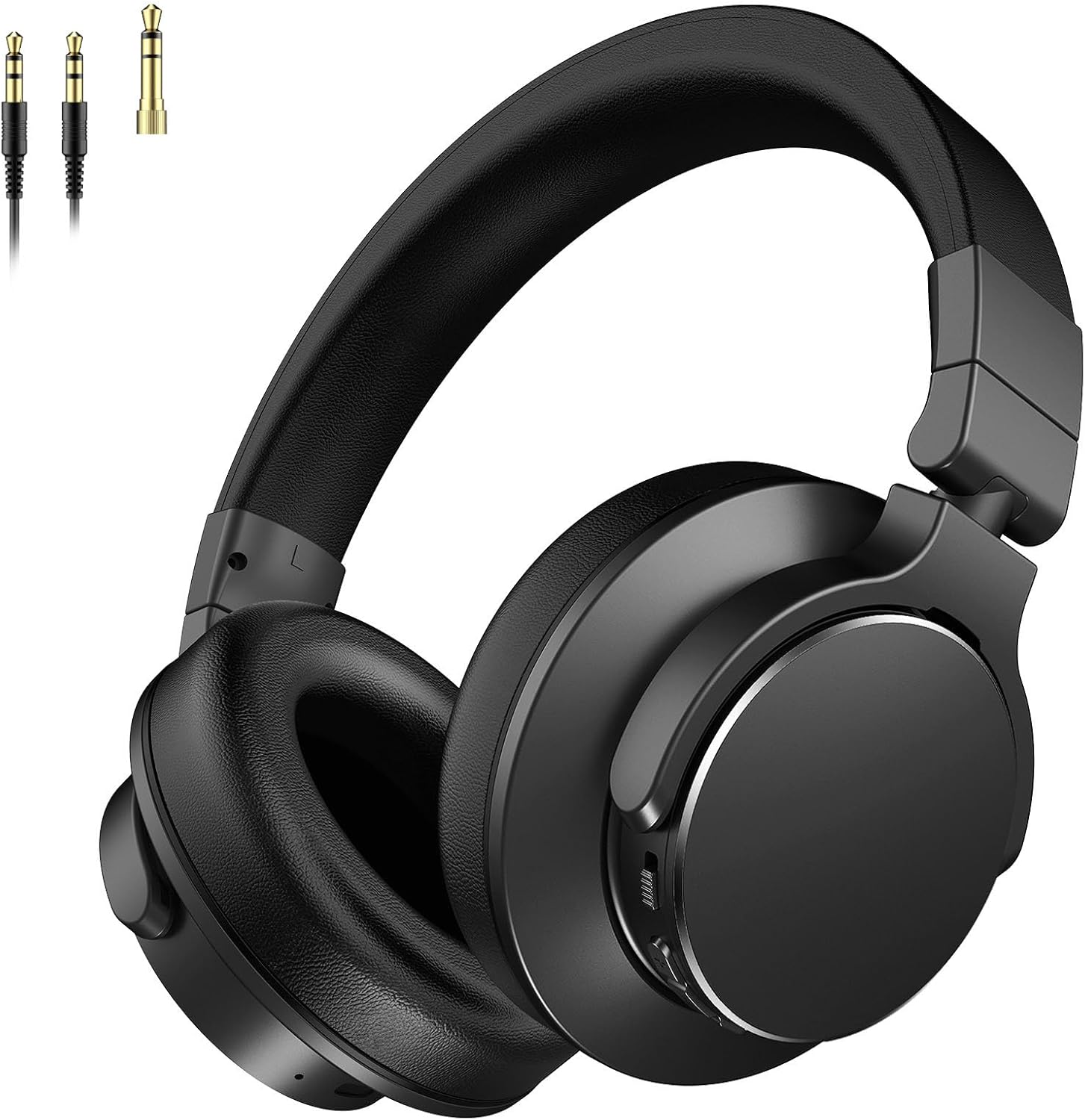
 PickPundit
📦 Kuinka valita parhaat DJ-kuulokkeet: Täydellinen ostoopas

Complete dj headphones buying guide. Learn what features matter, compare top products, and find the best dj headphones for your budget.
View Top Picks →Table of Contents
DJ Headphones: Why Studio Monitoring and DJ Use Require Different Priorities
Headphones marketed for "DJ/Studio" use conflate two different use cases with different requirements. Studio monitoring prioritizes flat frequency response for accurate mixing decisions. DJ use prioritizes isolation, durability, single-ear monitoring capability, and sound that works in loud club environments.
Understanding these differences prevents purchasing headphones optimized for the wrong use case.
The DJ Headphone Requirements
DJs use headphones for cueing—previewing upcoming tracks while current tracks play through venue speakers. This creates specific requirements:
Noise isolation: Headphones must block significant ambient sound (often 100+ dB in club environments) to hear cued tracks clearly. Open-back or semi-open headphones that work beautifully for home listening fail catastrophically for DJ cueing.
Single-ear capability: DJs frequently monitor with one ear (headphones) while hearing venue sound with the other ear, enabling beat-matching between cued and playing tracks. Headphones must sound adequate from a single driver and swivel or fold for one-ear positioning.
Durability: DJ headphones endure regular transport, sweaty environments, and occasional drops or impacts. Flimsy construction that survives gentle home use fails under DJ conditions.
Cable considerations: Coiled cables stay manageable during performance; long straight cables tangle. Detachable cables enable replacement when (not if) cables fail. DJ headphones should feature one or both of these attributes.
The Budget DJ Headphone Reality
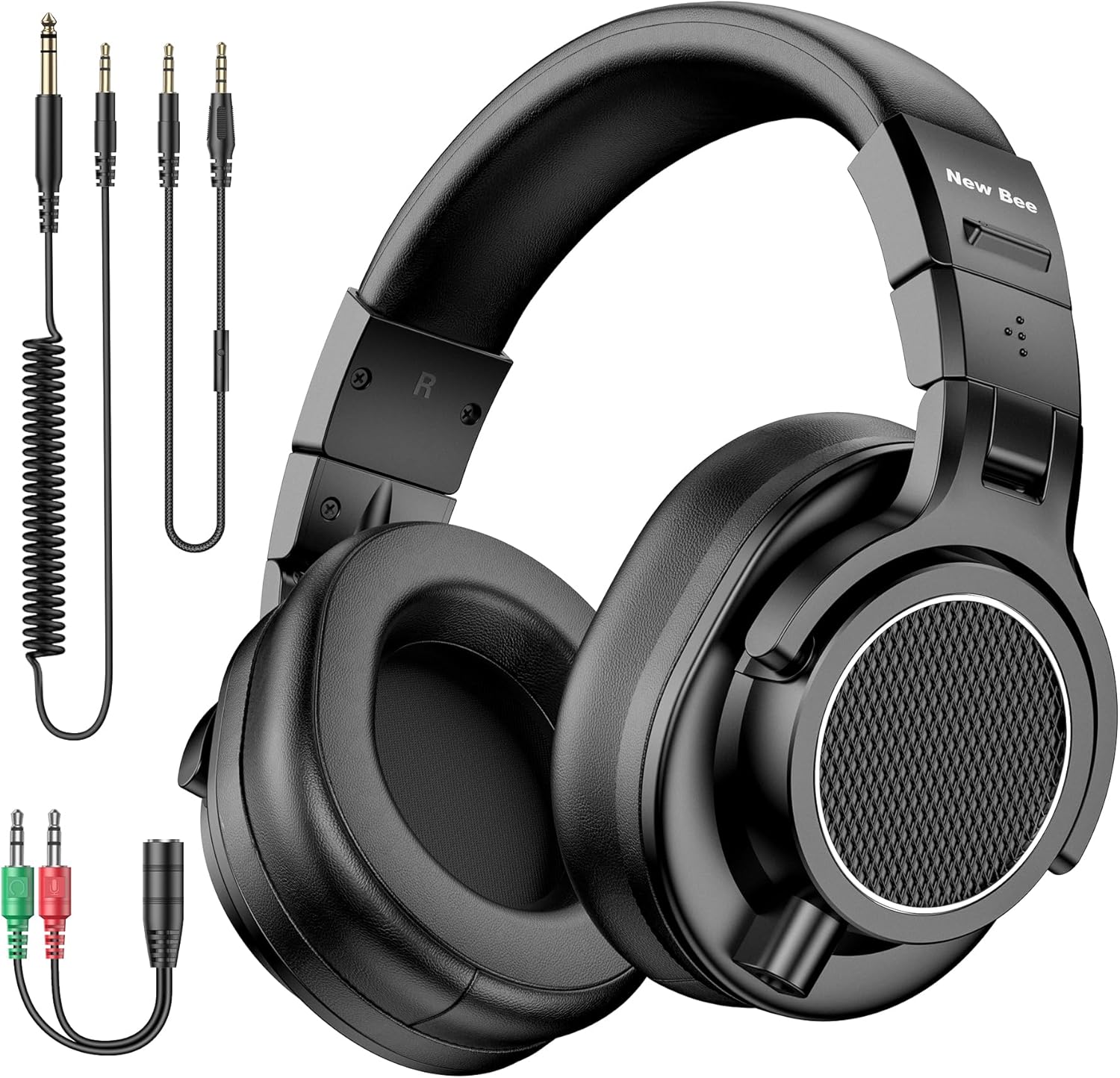
The sub-$30 category (OneOdio A71, New Bee, similar options) provides functional DJ-capable headphones with significant compromises. These headphones isolate adequately, fold for single-ear use, and survive moderate use.
The compromises: sound quality is "acceptable" rather than "good"—bass emphasis covers detail deficiencies, highs can sound harsh, and overall resolution limits accurate preview capability. Build quality means 1-2 year lifespan with regular use rather than the 5+ years quality headphones provide.
For bedroom DJs and those testing interest, budget headphones provide appropriate functionality at minimal investment. For working DJs or those prioritizing audio quality, budget headphones frustrate through limitations that premium options avoid.
The OneOdio Value Proposition
OneOdio occupies an interesting market position—offering features of $100 headphones at $25-30 price points through direct-from-manufacturer selling. The OneOdio A71 and Pro-50 models specifically target DJ and studio use with appropriate feature sets.
The sound quality represents the main compromise. OneOdio headphones are "V-shaped"—emphasized bass and treble with recessed midrange. This signature sounds engaging for casual listening but makes accurate mixing decisions difficult. You'll hear bass and cymbals clearly while missing midrange details.
For DJ cueing (previewing tracks, beat-matching), this signature works adequately—you need to hear beat elements and general structure, not subtle mix details. For studio mixing where you're making decisions about how a track sounds, the coloration becomes problematic.
The Bluetooth Question
Wireless headphones seem appealing—no cable tangling, freedom of movement. For DJ use, Bluetooth headphones fail critically: latency (delay between audio signal and headphone output) makes beat-matching impossible. Even "low latency" Bluetooth introduces 40-200ms delay, which at 120 BPM means beats arrive 1/8 to full beat late.
Wired connections remain essential for DJ headphones. Any headphones advertising DJ use and Bluetooth connectivity must include wired backup for actual DJing; the Bluetooth is for casual listening only.
The over-ear Bluetooth headphones at $30 in DJ categories are primarily listening headphones that happen to include DJ-adjacent features. Don't purchase expecting DJ-viable wireless use.
Impedance and Amplification
Headphone impedance (measured in ohms) affects how much amplification they need. Low-impedance headphones (32 ohms or below) work with phones, laptops, and DJ controllers directly. High-impedance headphones (80+ ohms) need dedicated amplification to reach appropriate volumes.
DJ controllers and mixers include headphone amplification, but the quality varies. Budget controllers may struggle to drive higher-impedance headphones to sufficient volume. For DJ use specifically, lower-impedance headphones provide more consistent results across different equipment.
Most consumer and DJ-marketed headphones under $100 use low impedance for broad compatibility. Studio monitoring headphones sometimes use higher impedance expecting dedicated amplification in studio environments.
Single-Cup Swivel Capability
DJ cueing technique involves one ear on headphones (cued track), one ear open to venue sound (playing track). This requires either swiveling one cup forward or removing one ear cup entirely.
Quality DJ headphones enable this through:
- Single-cup swivel (one ear cup rotates 90 degrees while other stays in position)
- Collapsible design allowing one ear cup to fold flat against headband
- Earpad design that sits comfortably when pushed off-ear
Budget headphones often lack these specific features, requiring awkward positioning for one-ear monitoring. When evaluating headphones for DJ use, physically test or research single-ear positioning capability.
Closed-Back Imperative
Open-back headphones allow air and sound through ear cup enclosures, creating spacious sound staging ideal for critical listening and mixing in quiet environments. They also leak sound dramatically and provide zero isolation.
For DJ use, open-back headphones are essentially useless. You'll hear venue sound through the headphones (defeating the cueing purpose), and sound will leak to anyone nearby. Closed-back design is mandatory for DJ headphones, regardless of other considerations.
Build Quality Considerations
DJ headphones face unique stresses: they're transported constantly, worn in sweaty environments, sometimes dropped or stepped on, and experience cable stress from movement during performance.
Budget headphone weak points typically include:
- Plastic hinges that crack under stress
- Non-replaceable cables that fail at stress points
- Ear pads that deteriorate from sweat within months
- Headband padding that compresses and becomes uncomfortable
Mid-range and premium DJ headphones address these through metal reinforcement at stress points, replaceable cables and ear pads, and generally more durable construction throughout.
The math often favors buying one $80-150 pair lasting 4-5 years over three $30 pairs lasting 12-18 months each. However, if you're uncertain about long-term DJ commitment, budget headphones for initial exploration make sense.
Practical Recommendations
For bedroom DJs testing interest: OneOdio A71 or similar at $25-30 provides functional DJ capability for exploration.
For developing DJs with budget constraints: The OneOdio Pro series at $30-40 offers improved sound and build quality while remaining affordable.
For working DJs: Save for established DJ headphone brands (Audio-Technica ATH-M50x, Sony MDR-7506, Pioneer HDJ series) at $80-150 for durability and sound quality that supports professional use.
For DJs prioritizing isolation: Consider headphones specifically marketed for high-isolation monitoring—some models provide 25-30dB isolation crucial for extremely loud venues.
The key insight: DJ headphones are tools for specific tasks rather than general listening devices. Optimize for DJ requirements (isolation, durability, single-ear use) rather than audiophile sound quality that doesn't serve DJ workflow.
Frequently Asked Questions
Mitä minun pitäisi ottaa huomioon ostaessani DJ-kuulokkeita?
Keskeisiä tekijöitä ovat rakennuslaatu, käyttäjien arvostelut ja vastine rahalle. Parhaiten arvioidut vaihtoehdot, kuten Rumoon Over Ear Bluetooth -kuulokkeet (4,4★ 128 arvostelusta), osoittavat, miltä laatu näyttää tässä kategoriassa.
Kuinka paljon DJ-kuulokkeet yleensä maksavat?
Hinnat vaihtelevat 19 dollarista 199 dollariin, ja useimmat laatuvaihtoehdot ovat noin 74 dollaria. Alle 28 dollarin budjettivaihtoehdot toimivat satunnaisesti, kun taas yli 111 dollarin premium-mallit tarjoavat paremman kestävyyden ja ominaisuudet.
Mitkä DJ-kuulokkeet ovat tällä hetkellä suosituimpia?
Over Ear Bluetooth -kuulokkeet ovat tällä hetkellä huippuluokan 4,4★ 128 vahvistetusta arvostelusta. Katso kaikki suosituimmat valinnat osoitteesta /best/dj-headphones.