 PickPundit
📦 How to Choose the Best Gua Sha Tools: Complete Buying Guide

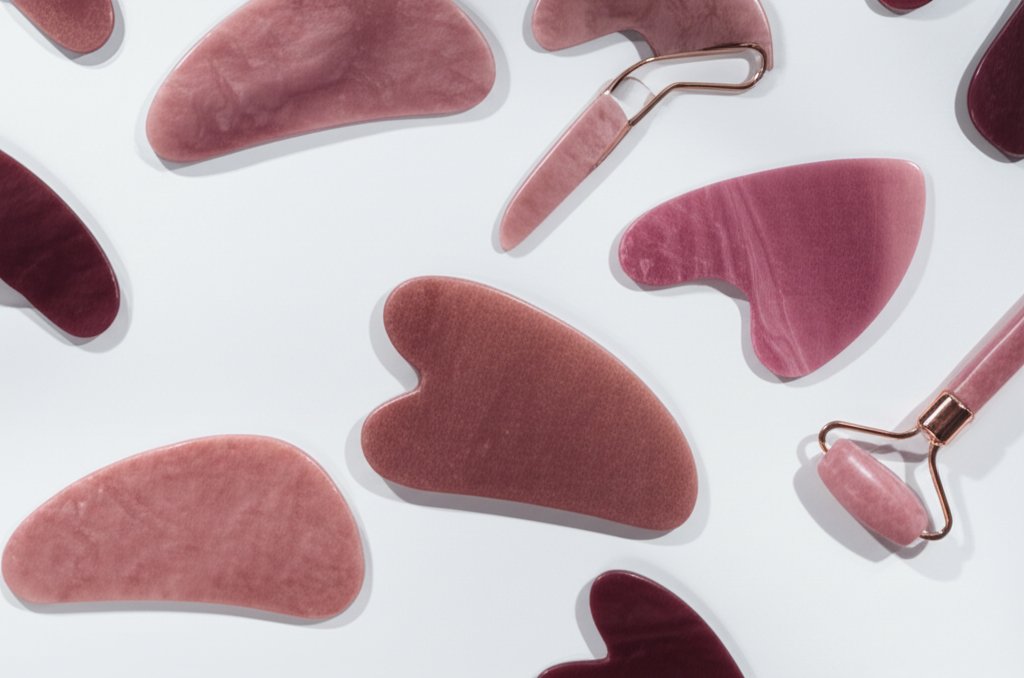
Complete gua sha tools buying guide. Learn what features matter, compare top products, and find the best gua sha tools for your budget.
View Top Picks →Table of Contents
Gua Sha Tools: Ancient Practice Meets Modern Beauty Marketing
Gua sha tools—shaped stones or metal implements for facial massage—have traversed from traditional Chinese medicine into mainstream beauty marketing. The practice promises lymphatic drainage, reduced puffiness, facial contouring, and product absorption enhancement. The reality involves legitimate massage benefits wrapped in sometimes-exaggerated claims.
Understanding what gua sha can and cannot do prevents both dismissing legitimate benefits and expecting transformative results.
The Traditional Context
Traditional gua sha involves vigorous scraping that produces petechiae—small red spots indicating blood vessel rupture. This therapeutic practice addresses specific conditions through controlled tissue trauma.
Modern facial gua sha is fundamentally different: gentle massage without tissue damage, focused on lymphatic movement and muscle relaxation rather than the controlled bruising of traditional practice.
Calling modern facial massage "gua sha" connects to tradition but describes a different practice. This isn't necessarily problematic—the massage techniques have merit—but "ancient Chinese practice" marketing implies connection to traditional medicine that the gentle facial version doesn't really share.
What Facial Gua Sha Actually Does
Legitimate benefits of facial gua sha massage include:
Temporary depuffing: Gentle pressure and stroking moves lymphatic fluid, reducing morning facial puffiness. The effect is temporary—typically lasting hours—but real.
Muscle relaxation: Facial muscles holding tension (jaw clenching, forehead furrowing) may relax with massage, temporarily softening expression lines.
Product distribution: Using gua sha during serum application spreads product across skin, potentially improving absorption compared to fingertip application.
Relaxation experience: The ritual of slow, intentional facial massage provides stress-reduction benefits independent of any skin outcomes.
What Gua Sha Doesn't Do
Marketing claims sometimes exceed reality:
Permanent facial sculpting: Bones don't reshape from massage. Any apparent contouring comes from temporary fluid movement, not structural change.
Wrinkle elimination: Massage doesn't reverse collagen loss or skin aging. Temporary smoothing from relaxation differs from lasting improvement.
Fat reduction: Gua sha doesn't eliminate facial fat or create permanent slimming.
The "before and after" photos often shown are typically lighting and angle differences, temporary depuffing effects, or unrealistic expectations for consumer results.
Material Differences
Gua sha tools come in various materials:
Jade: The traditional material, naturally cool, relatively hard, associated with traditional Chinese practice.
Rose quartz: Similar properties to jade, marketed with crystal healing associations.
Stainless steel: The Kitsch stainless steel tool at $10 represents the practical alternative—cooler than stone when refrigerated, easier to sanitize, more durable.
Bian stone: Another traditional material with specific mineral composition.
Functionally, the material matters less than the technique. All smooth, properly shaped tools enable the same massage movements. Material selection is largely aesthetic and philosophical preference.
The jade tools at $4-5 and rose quartz alternatives provide traditional materials at minimal cost. Claims about specific stones having unique healing properties lack scientific support—the massage technique, not the mineral content, produces results.
Tool Shape and Technique
Gua sha tool shapes vary—heart shapes, wing shapes, various contours—designed for different facial areas:
Broad flat surfaces: For cheeks and forehead, enabling long strokes
Notched edges: For jawline and cheekbone definition
Pointed tips: For around eyes and small areas
Curved edges: For contouring along bone structures
Most tools combine multiple edge shapes in single pieces. The shape affects which areas you can comfortably massage but doesn't affect the fundamental benefits.
Technique matters more than tool selection:
- Always use with serum or oil (never on dry skin)
- Apply light-to-moderate pressure (not painful)
- Stroke outward and upward, toward lymph nodes
- Move slowly with intention
- Keep tool at low angle against skin
Temperature Enhancement
Refrigerating gua sha tools before use adds constriction benefits—cold narrows blood vessels, potentially reducing inflammation and puffiness beyond massage effects alone.
Stainless steel tools (like the Kitsch at $10) retain cold longer than stone alternatives. Some users keep tools refrigerated permanently; others use room temperature, losing the cold benefit but gaining convenience.
The temperature benefit is modest but real—cold application to puffy eyes or inflamed skin produces temporary reduction.
Hygiene Considerations
Gua sha tools contact skin repeatedly and should be cleaned between uses. Stone tools can harbor bacteria in microscopic pores; metal tools clean more thoroughly.
Cleaning approach:
- Wash with soap and water after each use
- Sanitize periodically with alcohol
- Allow complete drying before storage
- Replace stone tools if they develop visible wear or damage
Metal tools' non-porous surfaces and dishwasher compatibility make them the hygienic choice for those concerned about bacteria.
Price and Value
Gua sha tool pricing ranges from $4 generics to $50+ branded versions. The physical tools are simple—shaped pieces of stone or metal—with minimal justification for premium pricing.
Budget tools ($4-10) provide equivalent functionality to expensive alternatives. The stone quality and finish may be slightly rougher, but functional massage capability is identical.
Premium pricing typically buys branding, packaging, and marketing rather than superior tools. The massage technique determines results, and technique is free regardless of tool cost.
Integration with Skincare
Gua sha integrates into skincare routines during serum or oil application:
- Apply serum or facial oil (necessary slip for tool movement)
- Use gua sha with appropriate technique (3-5 minutes)
- Follow with moisturizer if desired
The massage enhances serum absorption and provides relaxation benefits. It doesn't replace other skincare steps but can add value to existing routines.
Realistic Expectations
Approaching gua sha with appropriate expectations:
Do expect: Temporary depuffing, relaxation, pleasant ritual, possibly improved product absorption
Don't expect: Permanent facial changes, wrinkle reversal, dramatic transformation
The practice is pleasant and provides modest real benefits. It's not magic, and marketing suggesting transformative results misleads.
Practical Recommendations
For gua sha curious: Budget tools ($4-6) enable experimentation without investment. Learn proper technique through reliable tutorials before expecting results.
For regular practitioners: Stainless steel tools offer superior hygiene and cold retention at reasonable prices ($10).
For gift purchases: Higher-end packaging makes gua sha tools viable gifts despite the tools themselves being simple items.
For skeptics: The practice provides legitimate massage benefits without supernatural claims. Approach as pleasant self-care rather than skincare miracle.
Frequently Asked Questions
What should I look for when buying gua sha tools?
Key factors include build quality, user reviews, and value for money. Top-rated options like the Kitsch Kitsch Stainless Steel Gua Sha Facial Tools - Guas (4.8★ from 1,213 reviews) demonstrate what quality looks like in this category.
How much do gua sha tools typically cost?
Prices range from $4 to $28, with most quality options around $10. Budget options under $6 work for occasional use, while premium models over $15 offer better durability and features.
Which gua sha tools are most popular right now?
The Kitsch Stainless Steel Gua Sha Facial Tools - Guasha Tool fo is currently top-rated with 4.8★ from 1,213 verified reviews. Check our full comparison at /best/gua-sha-tools for all top picks.


