 PickPundit
🔥 How to Choose the Best Heating Pads: Complete Buying Guide

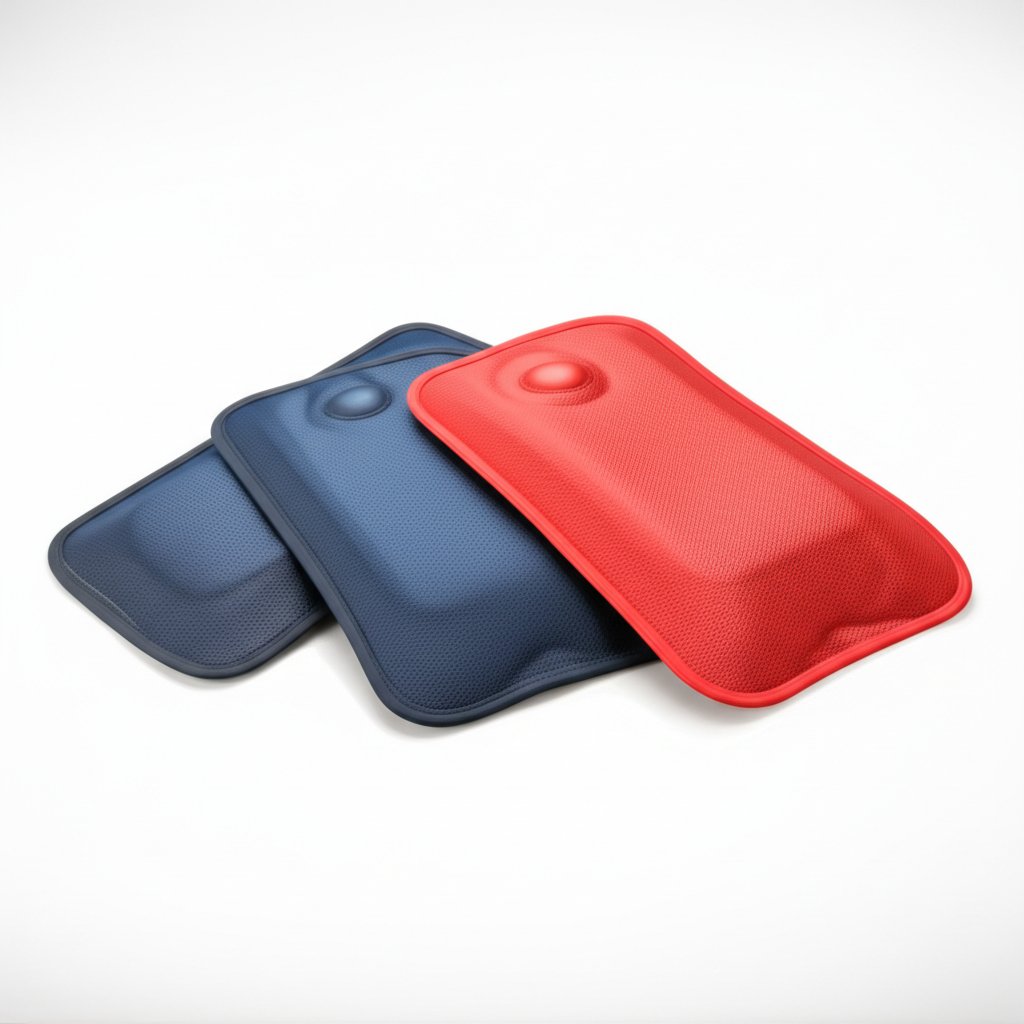
Complete heating pads buying guide. Learn what features matter, compare top products, and find the best heating pads for your budget.
View Top Picks →Table of Contents
Heating Pads: The Therapeutic Heat Decision Between Electric and Microwaveable
Heating pads provide therapeutic warmth for muscle pain, menstrual cramps, chronic conditions, and general comfort. The category splits between electric pads with continuous heat capability and microwaveable/reusable packs with limited heat duration. Understanding this fundamental divide prevents purchasing the wrong approach for your needs.
Electric Heating Pads
Electric heating pads plug into outlets and provide adjustable, continuous warmth for as long as needed. Models like the Deepsoon at $19 and Vive at $40 offer multiple heat settings and various sizes for different body areas.
Electric pad advantages:
- Unlimited heat duration (limited only by safety auto-shutoff)
- Precise temperature control with multiple settings
- Consistent warmth without reheating
- Often larger coverage areas
Electric pad limitations:
- Cord restricts mobility during use
- Requires outlet access
- Not suitable for use away from power
- Potential fire/burn risk if misused
For stationary heat therapy—sitting on the couch, lying in bed, positioned at a desk—electric pads provide superior duration and control.
Moist Heat Distinction
Some electric pads (like the Vive Moist Heating Pad at $40) specifically deliver moist heat—warmth combined with humidity that penetrates tissue more effectively than dry heat.
The physics: moist heat transfers energy more efficiently than dry heat, reaching deeper tissue and providing greater therapeutic benefit for muscle tension and pain relief.
Moist heat pads either include moisture-retaining fabrics or accommodate damp cloths for moisture delivery. The Thermophore Battle Creek at $49 represents the moist heat specialist category, specifically designed for therapeutic moisture delivery.
For therapeutic use targeting muscle pain and tension, moist heat provides superior relief. For simple warmth seeking comfort, dry heat suffices.
Microwaveable and Reusable Packs
Reusable packs (like the ThermiPaq at $20) contain materials that retain heat when microwaved—typically gel, rice, flax seed, or other substances with good thermal mass.
These packs:
- Heat in 1-3 minutes in standard microwaves
- Provide warmth for 15-30 minutes typically
- Require no cords during use (complete portability)
- Can often double as cold packs when refrigerated/frozen
The portability advantage is significant. Heated packs can be used anywhere—commuting, traveling, outdoors—without power requirements.
The duration limitation is equally significant. Sessions requiring extended heat (60+ minutes) need repeated reheating with microwaveable packs or continuous operation with electric pads.
Hot/Cold Dual Use
Many reusable packs function as both heating pads and cold packs, heated in microwaves or chilled in freezers as needed. This versatility suits households wanting both modalities from single products.
Cold therapy suits acute injuries and inflammation (the first 48-72 hours after injury). Heat therapy suits chronic conditions, muscle tension, and ongoing pain management.
Dual-use products compromise slightly for each purpose—not as effective as dedicated devices—but the convenience and storage efficiency appeals to many users.
Size and Coverage
Heating pad sizes range from small targeted pads (neck wraps, eye masks) to large full-back coverage:
Small/targeted: For specific areas (neck, shoulder, lower back), portable, lower power requirements
Medium/standard: General purpose, covers most single-area applications, balances coverage with manageability
Large/full-body: For extensive coverage, typically for bed use lying on or under the pad
Choose based on typical use patterns. A full-back pad is excessive for treating a stiff neck; a small neck wrap can't address lower back pain.
Safety Features
Electric heating pad safety features matter—these devices can cause burns or fires if poorly designed or misused:
Auto-shutoff: Prevents overheating if user falls asleep. Standard on quality pads, often 1-2 hours.
Heat-level indicators: Show current setting, preventing unintentional high heat.
Overheat protection: Reduces power if internal temperatures exceed safe levels.
Quality construction: Insulated wiring, durable covers, secure connections.
Budget pads may lack some safety features. For products that heat and contact skin, safety investments are worthwhile.
Controller Design
Electric heating pads use either integrated controls (buttons on the pad itself) or remote controllers (handheld units connected by cord).
Remote controllers enable adjustment without repositioning the pad—convenient when the pad is behind your back or under blankets. Integrated controls mean the control surface is wherever the pad is, which may be hard to reach during use.
Washability
Heating pad covers accumulate body oils, sweat, and general use residue. Washable covers significantly improve hygiene, especially for frequent use.
Most quality electric pads have removable, washable covers. Some budget options have fixed covers requiring spot cleaning only.
Microwaveable packs typically can't be machine washed (the filling would be damaged), requiring spot cleaning only.
Medical Considerations
Heating pad use has medical contraindications:
- Not for areas with poor circulation or numbness (can't sense overheating)
- Not for acute injuries or fresh inflammation (ice is appropriate initially)
- Caution with diabetes, neuropathy, or other sensation-affecting conditions
- Not for direct use on bare skin at highest settings
Consulting healthcare providers for chronic conditions ensures heating pad use complements rather than contradicts treatment plans.
Practical Recommendations
For chronic muscle pain or tension: Electric moist heat pads provide the therapeutic depth and duration to address ongoing issues. The Vive or Thermophore models target this use.
For occasional comfort: Basic electric pads at $15-25 provide adequate warmth without specialized features.
For portable use: Microwaveable packs enable heat therapy without outlet dependency—ideal for travel or varied locations.
For both heat and cold needs: Dual-use reusable packs provide versatility, though slightly compromised for each modality.
For targeted areas: Size-appropriate pads (neck wraps, shoulder pads) provide focused relief without unwieldy full-body coverage.
Frequently Asked Questions
What should I look for when buying heating pads?
Key factors include build quality, user reviews, and value for money. Top-rated options like the Carex ThermiPaq Reusable Ice Pack and Hot Cold Pack For (4.6★ from 2,132 reviews) demonstrate what quality looks like in this category.
How much do heating pads typically cost?
Prices range from $19 to $100, with most quality options around $37. Budget options under $28 work for occasional use, while premium models over $56 offer better durability and features.
Which heating pads are most popular right now?
The ThermiPaq Reusable Ice Pack and Hot Cold Pack For Injuries - is currently top-rated with 4.6★ from 2,132 verified reviews. Check our full comparison at /best/heating-pads for all top picks.


