 PickPundit
📦 How to Choose the Best Car Batteries: Complete Buying Guide

Complete car batteries buying guide. Learn what features matter, compare top products, and find the best car batteries for your budget.
View Top Picks →Table of Contents
Car Batteries: Cold Cranking Amps, Reserve Capacity, and Why Cheap Batteries Cost More Long-Term
Car batteries seem interchangeable—12 volts, similar sizes, standard terminals—but quality differences significantly affect lifespan, reliability, and total ownership cost. Understanding specifications helps avoid being stranded with dead batteries.
Key Specifications Explained
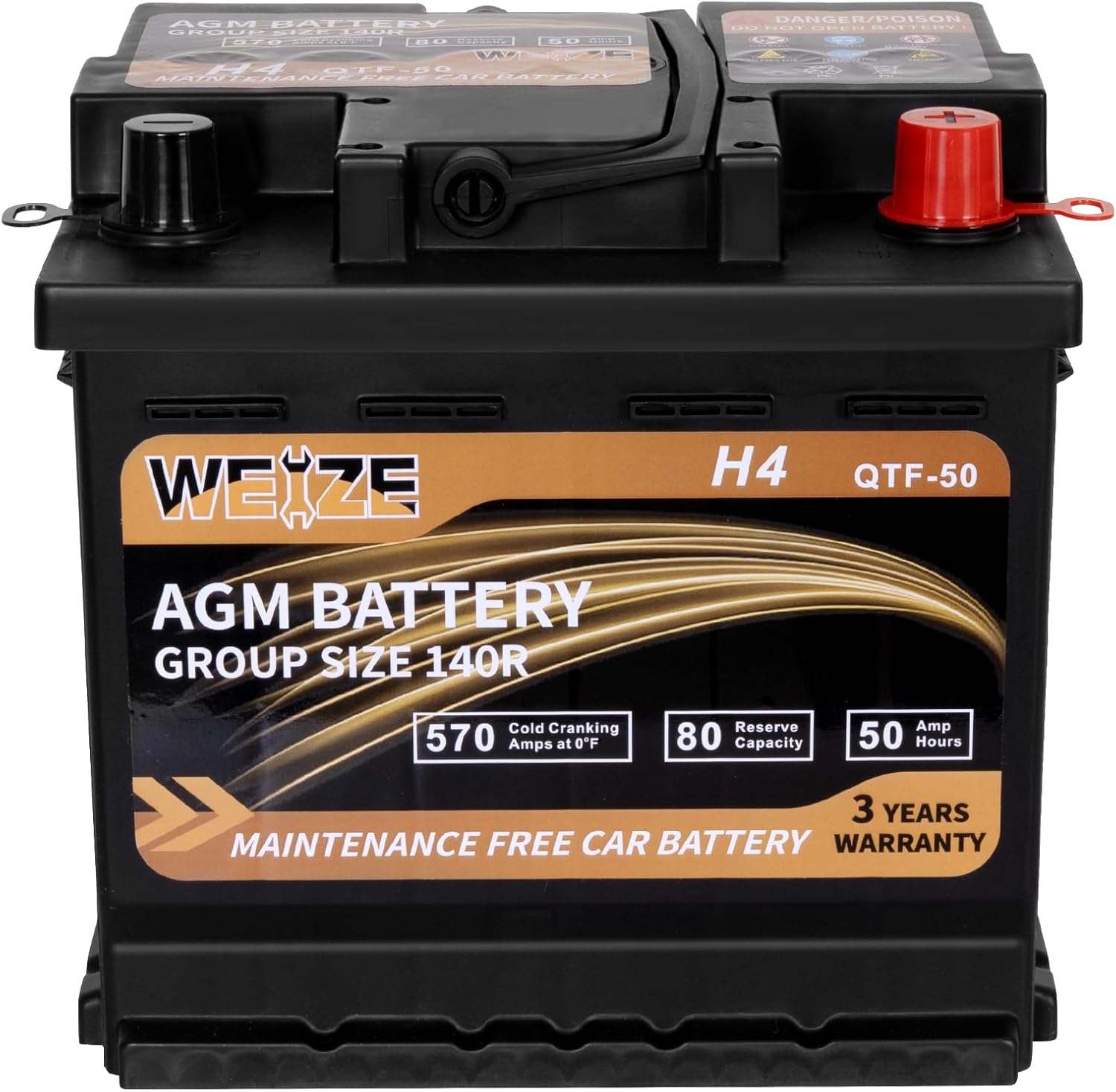
Cold Cranking Amps (CCA) measures starting power at 0°F (-18°C). Higher CCA provides more reliable starting in cold weather. Match or exceed your vehicle's original specification; significantly exceeding it provides minimal benefit.
Reserve Capacity (RC) indicates how long a battery can power essential systems if the alternator fails. Higher RC provides longer emergency operation time. Important for newer vehicles with power-hungry electronics.
Amp-hours (Ah) measures total energy storage. Related to reserve capacity but expressed differently. Higher numbers mean more total power available.
Battery Types
Flooded lead-acid (standard) batteries require occasional water level checks and vent hydrogen gas during charging. Cheapest option but requires minimal maintenance and proper venting.
AGM (Absorbent Glass Mat) batteries seal completely, require no maintenance, resist vibration better, and handle deep discharge better than flooded batteries. Cost 1.5-2x more but last longer and perform better.
EFB (Enhanced Flooded Battery) sits between standard and AGM in price and performance. Designed for start-stop systems that cycle frequently. Adequate for start-stop vehicles at lower cost than AGM.
Lifespan Factors
Climate dramatically affects battery life. Hot climates accelerate internal corrosion—batteries in Arizona may last half as long as identical batteries in Minnesota despite heat being "easier" for starting.
Driving patterns matter. Short trips that don't fully recharge batteries shorten lifespan. Frequent short-trip drivers benefit from periodic longer drives or trickle charging.
Quality manufacturing separates 3-year batteries from 5-year batteries. Budget batteries often use thinner plates that degrade faster. The price difference rarely equals the lifespan difference.
Warning Signs of Failure
Slow cranking indicates declining capacity. Don't wait until complete failure—batteries rarely recover once symptoms appear.
Swollen cases indicate internal damage from overcharging or heat. Replace immediately; swollen batteries risk failure or leakage.
Corrosion buildup suggests charging issues. Clean terminals and check for charging system problems that accelerate battery degradation.
Brand and Warranty Considerations
Major brands (Interstate, Optima, DieHard, ACDelco) generally deliver consistent quality. Store brands vary more widely; some match major brands, others underperform.
Warranty length correlates roughly with expected life but doesn't guarantee it. A 4-year warranty battery that fails at 3 years still leaves you stranded.
Pro-rated warranties sound good but provide decreasing value over time. A 5-year pro-rated warranty might offer only 20% credit after 4 years of use.
Practical Recommendations
For moderate climates with normal driving, quality flooded batteries ($100-150) provide good value. Replace proactively around year 4-5 to avoid failure.
For extreme climates or vehicles with start-stop systems, AGM batteries ($150-250) offer better longevity and performance. The premium often equals or exceeds extended lifespan value.
Don't buy the cheapest option available. Budget batteries ($60-80) often last half as long as quality options, making cost-per-year higher despite lower purchase price.
Frequently Asked Questions
What should I look for when buying car batteries?
Key factors include build quality, user reviews, and value for money. Top-rated options like the GOOLOO GOOLOO 6000A Jump Starter GT6000 Car Starter with (4.5★ from 169 reviews) demonstrate what quality looks like in this category.
How much do car batteries typically cost?
Prices range from $19 to $270, with most quality options around $134. Budget options under $29 work for occasional use, while premium models over $201 offer better durability and features.
Which car batteries are most popular right now?
The GOOLOO 6000A Jump Starter GT6000 Car Starter with 100W Bi-Di is currently top-rated with 4.5★ from 169 verified reviews. Check our full comparison at /best/car-batteries for all top picks.
⚖️ Quick Comparison
| Product | Price | Rating | Key Feature |
|---|---|---|---|
| $139.99 | Unmatched 100W Fast-Charging Technology Experience the ultimate convenience with... | ||
| $129.99 | ✅Battery dimensions 7.48" L x 6.89" W x 8.15" H, Terminal Tapered terminal (Left... | ||
|
#3
|
$149.99 | Fast Starting Power This 12V 60Ah 680 CCA delivers strong, steady starts is read... |