 PickPundit
📦 Comment choisir la meilleure cire de voiture : guide d'achat complet

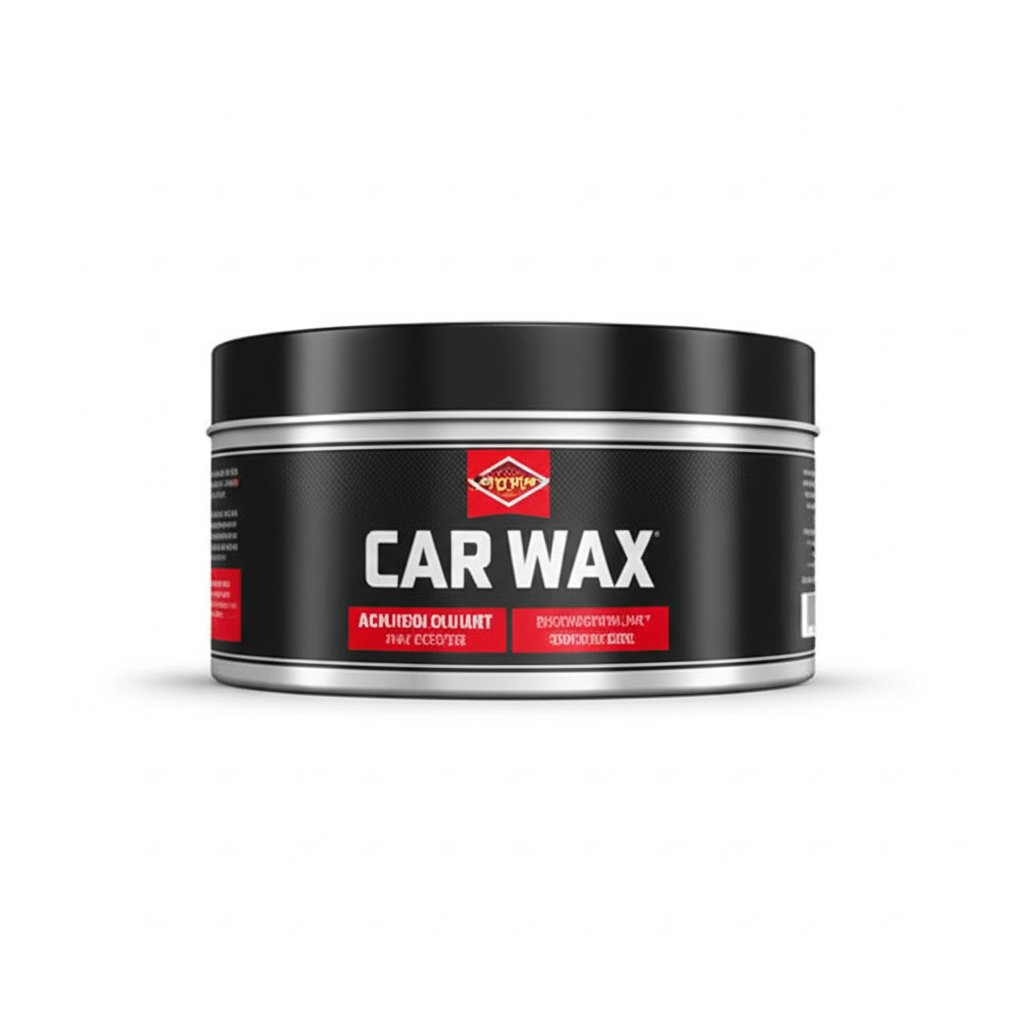
Complete car wax buying guide. Learn what features matter, compare top products, and find the best car wax for your budget.
View Top Picks →Table of Contents
Car Wax: Protection, Shine, and the Evolution to Ceramics
Car wax once meant one thing—carnauba paste requiring hours of application and buffing. Today's market includes spray waxes, synthetic sealants, ceramic coatings, and hybrid formulations. Understanding what each technology actually provides helps navigate marketing claims and select products matching your protection goals and effort tolerance.
Wax Types Explained
Different wax categories serve different needs:
Carnauba paste wax (traditional) provides warm, deep shine that wax enthusiasts prefer. It requires manual application and buffing, typically lasts 6-8 weeks, and demands periodic reapplication. Labor-intensive but provides distinctive appearance.
Spray waxes (like Turtle Wax 1-Step at $15) offer quick application with significantly less effort. They provide shorter protection (weeks rather than months) but suit regular maintenance between more durable treatments.
Synthetic sealants use polymer technology for longer-lasting protection (3-6 months) than carnauba. They're easier to apply but may lack carnauba's characteristic shine depth.
Ceramic wax hybrids (like the Turtle Wax Ceramic Graphene at $22) combine traditional wax convenience with ceramic/graphene technology for enhanced durability. They bridge the gap between traditional wax and professional ceramic coatings.
Liquid waxes (like Chemical Guys Butter Wet at $20) offer paste wax results with easier application than traditional paste.
What Wax Actually Does
Wax provides several genuine benefits:
UV protection prevents paint oxidation and fading from sun exposure. The wax layer absorbs UV radiation before it damages paint.
Water beading causes water to form droplets that roll off rather than sitting on paint. This reduces water spotting and speeds drying.
Contaminant resistance makes it harder for dirt, bird droppings, and other contaminants to bond with paint.
Visual enhancement fills minor imperfections and creates reflective surface for deeper, wetter-looking shine.
Paint protection provides sacrificial barrier between paint and environmental damage.
What wax doesn't do: fill scratches, repair oxidation damage, or substitute for paint correction on neglected vehicles.
Ceramic and Graphene Technology
Newer formulations incorporate advanced materials:
Ceramic particles (SiO2) create harder, more durable protective films than traditional wax. They provide longer-lasting protection and improved chemical resistance.
Graphene (carbon structure) adds additional durability and heat dissipation. Marketing sometimes exceeds actual benefits, but graphene formulations generally outperform non-graphene products.
Consumer ceramic products differ dramatically from professional ceramic coatings. Consumer products apply like traditional wax; professional coatings require surface preparation, controlled application, and curing time.
The Turtle Wax Hybrid Solutions Ceramic Graphene at $22 represents consumer-accessible ceramic technology—enhanced protection with traditional application methods.
Application Methods
Different products require different application approaches:
Paste wax application: Apply thin layer with foam applicator, allow to haze, buff with microfiber. Labor-intensive but provides maximum control.
Spray wax application: Spray on section, spread with microfiber, buff with clean microfiber. Fast application suits maintenance use.
Liquid wax application: Apply with applicator or hand, spread evenly, allow to haze, buff. Easier than paste, more protection than spray.
Ceramic spray application: Similar to spray wax but may require specific curing conditions or layering for maximum benefit.
All wax application works best on clean, dry paint. Washing and possibly clay bar treatment should precede waxing.
Durability Expectations
Protection longevity varies by product type:
Spray wax: 2-4 weeks between applications. Best for maintenance, not primary protection.
Paste carnauba: 6-8 weeks typical protection. Requires periodic reapplication.
Synthetic sealants: 3-6 months protection. Better durability with less dramatic shine.
Consumer ceramic products: 3-12 months claimed, realistically 4-6 months with maintenance.
Professional ceramic coatings: 2-5 years with proper preparation and application (not consumer products).
Real-world durability depends on environmental exposure, washing frequency, and product quality.
One-Step vs Multi-Step
Product positioning varies:
One-step products (like Turtle Wax 1-Step) combine washing, waxing, and drying in single application. They're convenient but compromise maximum performance in each function.
Multi-step processes separate washing, clay bar treatment, waxing, and potentially compounding/polishing. They maximize results but require significant time investment.
Hybrid approaches might use one-step products for regular maintenance with periodic detailed multi-step treatments.
For most vehicle owners, one-step or spray products provide adequate protection with realistic effort. Enthusiasts pursue multi-step processes for superior results.
Product Quality Indicators
Quality differences affect results:
Ingredient concentration: Cheap products dilute active ingredients. Premium products provide more protection per application.
Application characteristics: Quality products spread easily, haze predictably, and buff cleanly.
Residue behavior: Cheap products leave white residue in trim, cracks, and emblems requiring additional cleanup.
Durability testing: Real-world reviews reveal actual protection duration versus marketing claims.
The Chemical Guys Butter Wet at $20 represents recognized brand quality. Budget products at $10 or less often disappoint in application and durability.
Paint Condition Requirements
Wax effectiveness depends on paint condition:
Clean paint is minimum requirement. Waxing dirty paint locks in contamination.
Contamination-free paint achieved through clay bar treatment allows wax to bond directly to paint rather than sitting on contaminants.
Correction for damaged paint through compounding and polishing should precede waxing on oxidized or scratched surfaces.
New/perfect paint benefits most from wax protection. Waxing can't fix what's already damaged.
Climate and Storage Considerations
Environment affects wax selection:
Hot climates may cause some waxes to soften or streak during application. Apply in shade when surface is cool.
UV exposure intensity in sunny climates demands products with strong UV protection claims.
Winter conditions with road salt benefit from sealants' chemical resistance over traditional carnauba.
Storage requirements: Some products have shelf lives and temperature sensitivities.
Practical Recommendations
For minimal effort maintenance: Spray waxes like Turtle Wax 1-Step at $15. Quick application, reasonable protection, regular reapplication.
For enthusiast results: Paste carnauba for show-car shine or ceramic hybrids for durability. Invest time in proper application.
For maximum durability: Ceramic-graphene products like Turtle Wax Ceramic Graphene at $22. Enhanced protection with consumer-friendly application.
For regular waxers: Liquid waxes like Chemical Guys Butter Wet at $20. Balance of protection and application ease.
For new vehicle protection: Start with quality products immediately. Protecting perfect paint is easier than restoring damaged paint.
The honest assessment: any wax provides more protection than no wax. Perfect is the enemy of good—a spray wax applied regularly protects better than a premium product bought but never used.
Frequently Asked Questions
Que dois-je rechercher lors de l'achat de cire de voiture ?
Les facteurs clés comprennent la qualité de construction, les avis des utilisateurs et le rapport qualité-prix. Les options les mieux notées comme la cire de tortue-cire 50834 en une étape et sèchent (4,7★ à partir de 10 275 avis) montrent à quoi ressemble la qualité dans cette catégorie.
Combien coûtent généralement la cire de voiture ?
Les prix varient de 7 $ à 70 $, avec la plupart des options de qualité autour de 18 $. Les options économiques inférieures à 10 $ fonctionnent pour une utilisation occasionnelle, tandis que les modèles premium de plus de 27 $ offrent une meilleure durabilité et des fonctionnalités.
Quelle cire de voiture est la plus populaire en ce moment ?
The Turtle Wax 50834 1-Step Wax and Dry est actuellement le mieux noté avec 4,7★ à partir de 10 275 avis vérifiés. Consultez notre comparaison complète sur /best/voiture-wax pour tous les meilleurs choix.


