 PickPundit
🚲 How to Choose the Best Electric Bikes: Complete Buying Guide

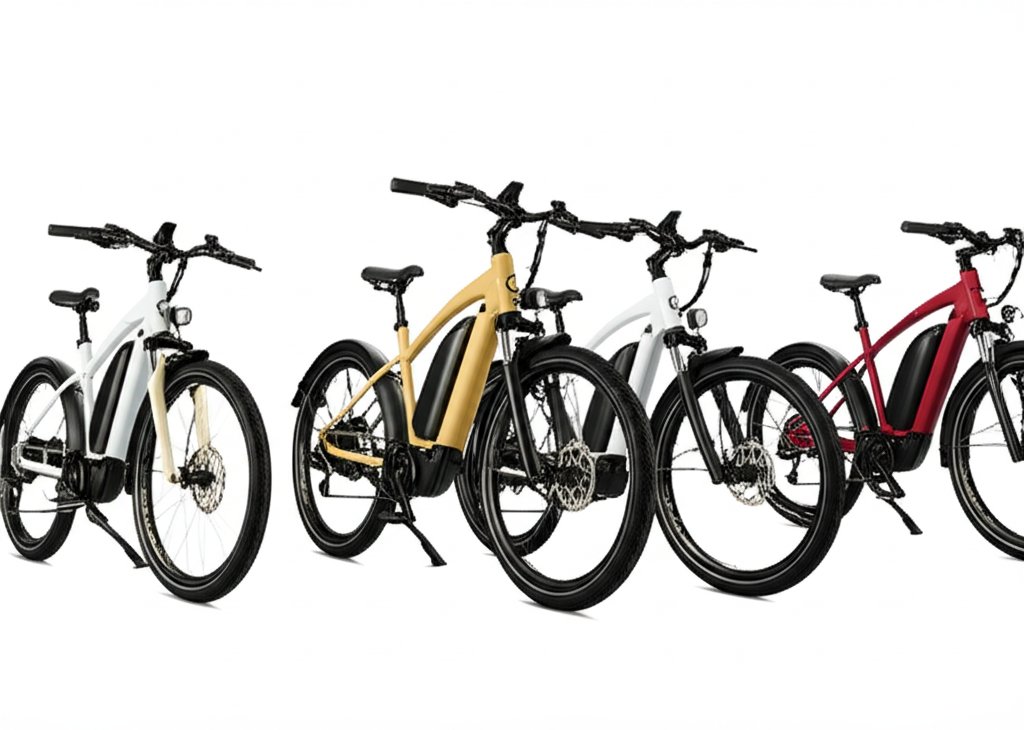
Complete electric bikes buying guide. Learn what features matter, compare top products, and find the best electric bikes for your budget.
View Top Picks →Table of Contents
Electric Bikes: Pedal Assist and Throttle-Powered Transportation
Electric bikes add motor assistance to cycling—extending range, conquering hills, and making bike commuting viable for more people. Understanding motor power, battery range, and e-bike classes helps choose bikes that match intended use without overspending on unnecessary capability.
How E-Bikes Work
Motor assistance options:
Pedal assist (PAS): Motor amplifies your pedaling effort. The more you pedal, the more help you get.
Throttle control: Twist or thumb throttle provides power without pedaling. Like a moped.
Combined systems: Many e-bikes offer both modes.
The 6000W peak dual motor represents extreme power—far beyond typical commuter needs.
E-Bike Classes
Regulatory categories:
Class 1: Pedal assist only, max 20 mph assist. Allowed on most bike paths.
Class 2: Throttle + pedal assist, max 20 mph. Some trail restrictions.
Class 3: Pedal assist to 28 mph. Often road-only, may require helmet.
High-power bikes: 1500W+ often exceed legal e-bike definitions. May be considered mopeds.
Motor Power Reality
Understanding wattage claims:
Nominal vs peak power: 750W nominal may claim 1500W peak.
Legal limits: Many jurisdictions limit e-bikes to 750W nominal.
Practical needs: 250-500W handles most commuting. 750W conquers steep hills.
Overpowered bikes: 6000W is excessive for legal e-bike use—motorcycle territory.
Battery and Range
How far you can go:
Battery capacity (Wh): Higher watt-hours = longer range.
Typical ranges: 25-50 miles common. Varies with terrain, assist level, rider weight.
Range factors: Hills, headwind, high assist levels drain battery faster.
Charging time: 4-6 hours typical for full charge.
Motor Placement
Where motors are located:
Hub motors: In wheel hub (front or rear). Simpler, cheaper.
Mid-drive motors: At pedal crank. Better hill climbing, more natural feel.
Dual motors: Front and rear. Maximum power, less common.
Frame Styles
E-bike designs:
Traditional: Look like regular bikes. Commuter friendly.
Step-through: Low entry. Easy mounting, popular for commuting.
Fat tire: Wide tires for off-road, beach, snow.
Folding: Compact for storage and transit.
Weight Considerations
E-bikes are heavy:
Typical weight: 50-75 lbs with battery and motor.
Carrying upstairs: Significant consideration for apartment dwellers.
Vehicle transport: May need sturdy bike rack.
Riding without power: Heavy to pedal if battery dies.
Cost Reality
E-bike pricing:
Budget ($500-1000): Basic function, limited quality.
Mid-range ($1000-2500): Quality components, reasonable performance.
Premium ($2500-5000): Excellent components, reliable brands.
High-end ($5000+): Premium everything, boutique brands.
Maintenance Needs
Keeping e-bikes running:
Regular bike maintenance: Brakes, tires, chain still need attention.
Battery care: Don't fully deplete or overcharge. Store at partial charge.
Motor service: Usually dealer service for motor issues.
Water exposure: Most e-bikes aren't fully waterproof. Avoid heavy rain.
Use Case Matching
Right bike for the job:
Commuting: Class 1 or 2, 500-750W, good range.
Recreation: Moderate power, comfortable geometry.
Off-road: Fat tires, higher power, suspension.
Hauling cargo: Cargo e-bikes designed for loads.
Practical Recommendations
For commuters: Class 1 or 2 mid-drive, 500W, 40+ mile range. Quality brands.
For recreation: Comfortable geometry, moderate power.
For hills: Mid-drive motor handles grades better than hub motor.
For budget conscious: Used quality e-bike beats cheap new one.
The key insight: match e-bike power to legal requirements and actual needs. 500-750W handles most use cases. Extreme power bikes may not be street legal and create unnecessary liability.
Frequently Asked Questions
What should I look for when buying electric bikes?
Key factors include build quality, user reviews, and value for money. Top-rated options like the CTVVXXC 6000W Peak Dual Motor Ebike for Adults - 52V 34Ah (4.1★ from 21 reviews) demonstrate what quality looks like in this category.
How much do electric bikes typically cost?
Prices range from $157 to $1169, with most quality options around $521. Budget options under $235 work for occasional use, while premium models over $782 offer better durability and features.
Which electric bikes are most popular right now?
The 6000W Peak Dual Motor Ebike for Adults - 52V 34Ah Fast Elect is currently top-rated with 4.1★ from 21 verified reviews. Check our full comparison at /best/electric-bikes for all top picks.
⚖️ Quick Comparison
| Product | Price | Rating | Key Feature |
|---|---|---|---|
| $1169.00 | Dual Motor Power - Experience 6000W output with dual 3000W motors for thrilling ... | ||
| $399.99 | 1500W Peak Motor - Reach speeds up to 28MPH with a powerful 1500W peak motor des... | ||
| $238.99 | 21-Speed Shimano Gear System for Any Terrain - Ride freely through city streets ... |


