 PickPundit
🎣 Comment choisir les meilleures cannes à pêche : guide d'achat complet

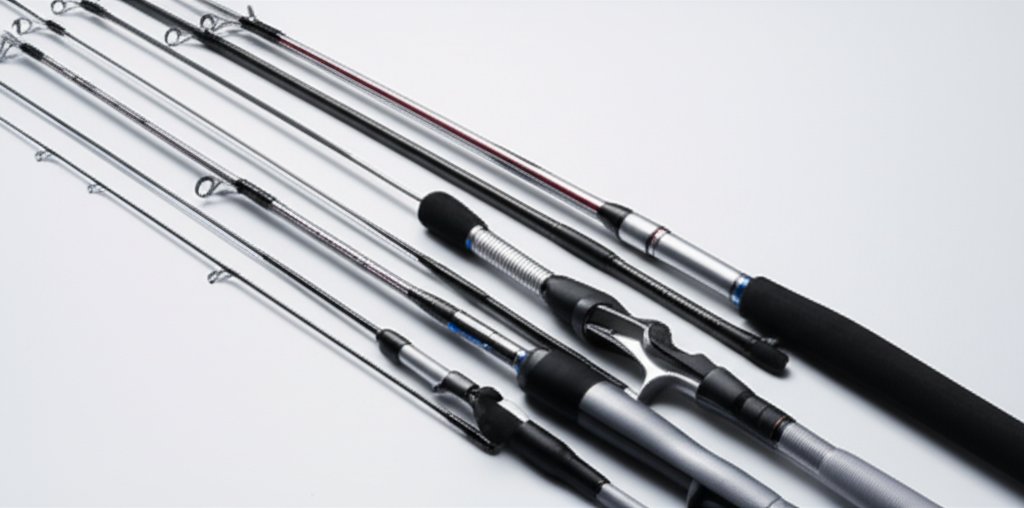
Complete fishing rods buying guide. Learn what features matter, compare top products, and find the best fishing rods for your budget.
View Top Picks →Table of Contents
Fishing Rods: The "My Kid Lost Interest After 2 Trips" Investment Reality
Fishing rod reviews for beginner/kid-focused rods frequently update after 6 months: "Bought for child's interest in fishing, used twice, now sits unused in garage." This pattern affects purchasing decisions for adults considering fishing hobby as well.
The time-to-abandonment for new hobbies averages 3-6 months. Fishing equipment purchases should account for this dropout risk.
The Spinning vs Casting Rod Learning Curve
Spinning rods (reel hangs below rod): Easier for beginners, less backlash, simpler casting motion, adequate for most freshwater fishing.
Baitcasting rods (reel sits on top): Steeper learning curve, frequent backlash (line tangles) during learning period, greater accuracy and distance potential once mastered. For experienced anglers only.
For hobby-testing purchases, spinning rods prevent the frustration that causes early abandonment. One beginner's experience: "Tried baitcasting first, spent more time untangling line than fishing, gave up. Switched to spinning rod, actually caught fish, stayed interested."
The Rod Length vs Fishing Environment
Short rods (5-6 feet): Small streams, heavy cover, close-quarters fishing. Limited casting distance.
Medium rods (6.5-7.5 feet): Versatile all-around length for lakes, ponds, general use. Most popular.
Long rods (8-10+ feet): Surf fishing, long-distance casting, large rivers. Unwieldy in confined spaces.
The beginner mistake: buying long rod for distance potential, discovering too awkward for actual fishing environments encountered (tree-lined shores, crowded piers). Medium 7-foot rods provide best versatility for unknown fishing situations.
The Rod Power vs Target Species
Ultra-light power: Small fish (panfish, small trout), light lures, sensitive tip for bite detection.
Medium power: Bass, walleye, average fish sizes, versatile lure range.
Heavy power: Large fish (pike, musky, big catfish), heavy lures, strong backbone for hook-setting.
The power-to-species mismatch: ultra-light rod with large bass creates broken rod or lost fish from inadequate backbone. Heavy rod with small panfish loses all sensitivity and fight enjoyment.
For testing hobby, medium power provides best versatility across likely target species until specialization interests develop.
The Quality Tier Abandonment Economics
Budget rods ($20-40): If abandoned after 2 trips, $20-40 loss acceptable.
Mid-range rods ($60-120): Abandonment stings more but quality encourages continued use through better performance.
Premium rods ($200+): For confirmed anglers only - unjustifiable for hobby testing.
The counter-intuitive strategy: buying too-cheap rod creates poor experience (casting difficulty, inadequate sensitivity, fragile construction) that contributes to abandonment. The $60-80 mid-range provides adequate quality encouraging continued use without premium commitment.
Framework
Hobby testing: Spinning rod, medium power, 7-foot length, $50-80 price range, accepting potential abandonment.
Confirmed frequent angler: Upgrade to $100-150 range with specific power/length for primary target species and environment.
Specialized fishing: Multiple rods for different species and techniques, $150-300 per specialized rod.
Kids/beginners: Spinning rod mandatory, medium-light power, shorter length (6-6.5 feet) for easier handling, budget $30-50 accepting rough treatment.
The realistic advice from veteran anglers: your first rod won't be your last. Start with versatile medium-power spinning rod, fish for season, then buy specialized rods based on what fishing you actually enjoy most. The $80 versatile first rod teaches what $200 specialized rod you actually need.
Frequently Asked Questions
Que dois-je rechercher lors de l'achat de cannes à pêche ?
Les facteurs clés comprennent la qualité de construction, les avis des utilisateurs et le rapport qualité-prix. Les options les mieux notées comme le ministore de pêche combinées (4,2★ à partir de 1 619 avis) démontrent à quoi ressemble la qualité dans cette catégorie.
Combien coûtent généralement les cannes à pêche ?
Les prix varient de 28 $ à 83 $, avec la plupart des options de qualité autour de 49 $. Les options économiques inférieures à 42 $ fonctionnent pour une utilisation occasionnelle, tandis que les modèles premium de plus de 74 $ offrent une meilleure durabilité et des fonctionnalités.
Quelles cannes à pêche sont les plus populaires en ce moment ?
Le jeu de combinaisons de pots de pêche est actuellement le mieux noté avec 4,2 ★ à partir de 1 619 avis vérifiés. Consultez notre comparaison complète sur /best/fishing-cannes pour tous les meilleurs choix.


