 PickPundit
📦 How to Choose the Best Face Serums: Complete Buying Guide

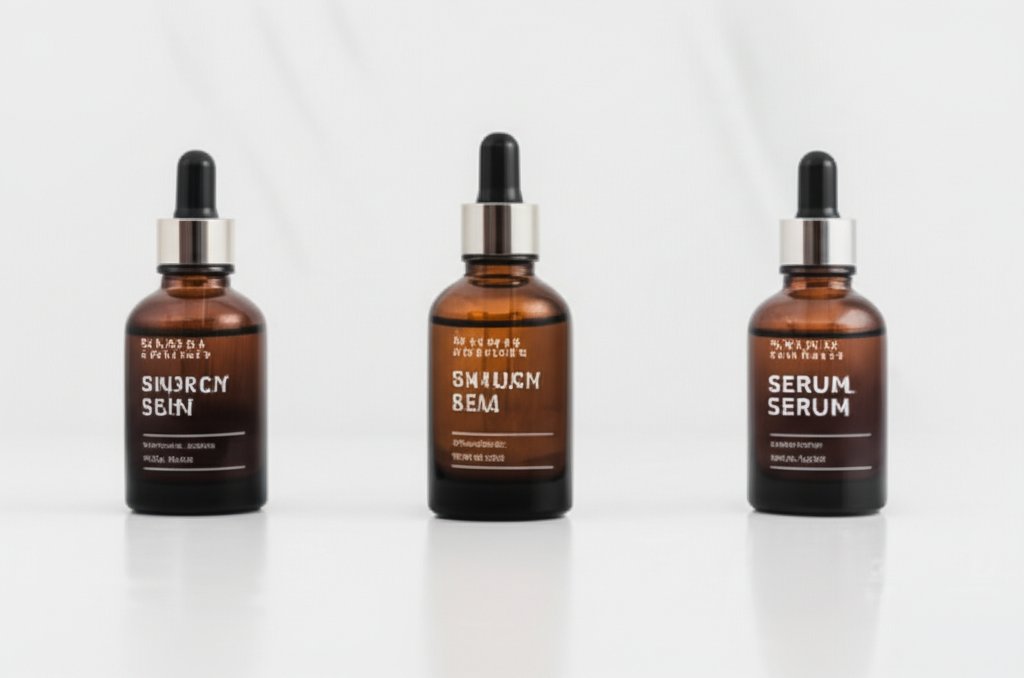
Complete face serums buying guide. Learn what features matter, compare top products, and find the best face serums for your budget.
View Top Picks →Table of Contents
Face Serums: The Concentrated Active Ingredient Gamble
Serums represent skincare's most active-ingredient-dense category—concentrated formulations promising targeted effects that moisturizers and cleansers can't deliver. This concentration creates both potential and risk: properly formulated serums can genuinely address specific skin concerns; poorly formulated or misused serums can irritate, sensitize, or simply waste money.
Understanding serums requires recognizing what active ingredients actually do, at what concentrations, and for whom.
The Serum Mechanism
Serums differ from moisturizers in formulation intent. Moisturizers primarily create barriers and deliver hydration—their job is supporting skin's basic function. Serums deliver specific active ingredients in higher concentrations than moisturizers can accommodate while remaining stable and absorbable.
The lighter, often watery texture of serums reflects this purpose: they're designed to penetrate quickly and deliver actives, not to sit on skin creating occlusive barriers. This is why skincare routines layer serum under moisturizer—serum delivers actives, moisturizer seals and hydrates.
The Hyaluronic Acid Dominance
Hyaluronic acid serums dominate bestseller lists (The Ordinary at $10, Good Molecules at $6) because HA is both genuinely effective and extremely well-tolerated. This humectant attracts and holds water, providing hydration that plumps skin and temporarily reduces fine line appearance.
HA works for virtually everyone—dry skin gains hydration, oily skin benefits without added greasiness. The ingredient causes minimal irritation and layers well with other products. This universal applicability explains market dominance.
The concentration marketing ("2% Hyaluronic Acid!") deserves scrutiny. Higher HA concentrations aren't necessarily better—the molecule's water-attracting capacity has limits, and excessive concentrations can create tacky texture without improved results. Most well-formulated HA serums work comparably regardless of percentage claims.
Molecular weight matters more than concentration. Low-molecular-weight HA penetrates deeper; high-molecular-weight HA hydrates skin surface. Quality serums often include multiple molecular weights for comprehensive hydration. Budget serums may use single molecular weights, limiting depth of effect.
The Retinol Calculation
Retinol (vitamin A derivative) represents the most evidence-backed anti-aging ingredient available over-the-counter. It genuinely accelerates cell turnover, stimulates collagen production, and reduces fine lines over months of consistent use.
The complication: retinol irritates. Initial use commonly causes dryness, peeling, and redness—the "retinization" period that eventually resolves with continued use. Some users never tolerate retinol well; others adapt within weeks.
Retinol serums like the 2.5% option at $15 start at relatively high concentrations. Beginning users should start with lower concentrations (0.25-0.5%) or buffering techniques (applying moisturizer first, then retinol over it) to manage irritation.
The percentage claims require skepticism. "2.5% retinol" sounds potent, but concentration alone doesn't determine effectiveness—formulation stability, delivery system, and base pH all affect whether retinol actually reaches skin in active form.
The Vitamin C Complexity
Vitamin C serums promise brightening, antioxidant protection, and mild anti-aging effects. The promise is legitimate—well-formulated vitamin C delivers these benefits.
The challenge: vitamin C (L-ascorbic acid, the most effective form) is notoriously unstable. It oxidizes when exposed to air and light, turning brown and losing effectiveness. Cheap vitamin C serums often oxidize before use, delivering discolored product with diminished benefits.
Stable vitamin C formulations require:
- Airless packaging (pump bottles rather than droppers)
- Low pH formulation (around 3.5)
- Proper storage (cool, dark locations)
- Fresh product (buy smaller sizes, replace regularly)
Vitamin C derivatives (sodium ascorbyl phosphate, magnesium ascorbyl phosphate) are more stable but potentially less effective. The stability-effectiveness trade-off defines vitamin C serum shopping.
The Ordinary Phenomenon
The Ordinary disrupted skincare pricing by offering clinical-strength actives at dramatically lower prices—the $10 Hyaluronic Acid + B5 competes with $40-80 alternatives containing similar formulations.
The approach works because The Ordinary minimizes marketing, uses clinical ingredient names rather than branded formulations, and prioritizes active concentration over experiential luxury. The products work; the experience is clinical rather than indulgent.
For ingredient-focused buyers who prioritize efficacy over experience, The Ordinary delivers exceptional value. For those who enjoy luxurious textures, pleasant fragrances, and beautiful packaging, the brand feels sterile.
Oil-Based Serums and Facial Oils
Facial oils (like the Volcano Elixir at $24) occupy different territory from water-based serums. These deliver lipid-soluble ingredients (vitamin E, squalane, essential fatty acids) rather than water-soluble actives.
The use case differs: oils provide barrier support and deliver fat-soluble vitamins, but don't penetrate as deeply as water-based formulations. They layer on top of water-based serums, adding occlusive protection.
The "serum oil" marketing blurs categories. True serums are water-based; oils are lipid-based. Products marketed as both typically are oils with marketing-favorable terminology.
For dry skin needing lipid support, facial oils provide genuine benefit. For oily skin, the additional lipids may create congestion and breakouts. Combination skin requires careful application to dry areas only.
Active Ingredient Interactions
Combining multiple active serums creates interaction potential—not always beneficial:
Don't combine: Retinol + vitamin C (pH conflicts), benzoyl peroxide + retinol (degradation), multiple exfoliating acids (over-exfoliation)
Can combine: Hyaluronic acid + most things (it's gentle and supportive), niacinamide + most things (though historical concerns about vitamin C combinations have been largely debunked)
Space by time of day: Many users apply vitamin C in morning (antioxidant protection) and retinol at night (increased sun sensitivity makes daytime use problematic)
The more actives in a routine, the higher the irritation and interaction risk. Minimalist routines with one or two targeted actives often outperform kitchen-sink approaches combining every ingredient.
Evidence Strength Varies
Not all serum ingredients have equal scientific support:
Strong evidence: Retinoids, vitamin C (when stable), niacinamide, certain peptides
Moderate evidence: Alpha hydroxy acids, hyaluronic acid (for hydration specifically)
Limited/emerging evidence: Most peptides, growth factors, many botanical extracts
Minimal evidence: Many trendy ingredients with marketing claims exceeding research
Marketing doesn't distinguish between evidence levels. A serum with strong-evidence retinol and a serum with unproven botanical extract both make confident efficacy claims.
The Budget vs Premium Question
Serum pricing spans from $6 (Good Molecules) to $200+ (luxury brands). What does premium pricing buy?
Potentially legitimate differences: More sophisticated delivery systems, better ingredient stability, multi-active formulations with tested synergies, elegant textures and experiences
Often marketing premium: Brand prestige, packaging luxury, celebrity endorsement, retail channel costs
For single-active serums (pure hyaluronic acid, basic retinol), budget options often perform comparably to premium alternatives—the active ingredient is the same, and formulation differences may be minimal.
For complex multi-active formulations, premium brands may offer genuine formulation advantages—but may not. The consumer difficulty is distinguishing legitimate innovation from marketing-supported identical ingredients.
Practical Recommendations
For hydration needs: Hyaluronic acid serums from The Ordinary or Good Molecules provide excellent value. The ingredient works reliably, and budget formulations perform comparably to premium alternatives.
For anti-aging priority: Start with low-concentration retinol (0.3-0.5%), building to higher concentrations as tolerance develops. Consistency matters more than concentration.
For brightening: Stable vitamin C (check packaging, buy fresh, store properly) provides genuine benefits. Be skeptical of cheap vitamin C in dropper bottles.
For sensitive skin: Minimize actives. One gentle serum (HA, niacinamide) may outperform complex routines that sensitized skin can't tolerate.
For general skin health: A basic routine (cleanser, sunscreen, one or two targeted serums, moisturizer) outperforms ingredient-maximizing approaches that risk irritation and interaction.
Frequently Asked Questions
What should I look for when buying face serums?
Key factors include build quality, user reviews, and value for money. Top-rated options like the The Ordinary Hyaluronic Acid 2% + B5 (with Ceramid (4.7★ from 29,204 reviews) demonstrate what quality looks like in this category.
How much do face serums typically cost?
Prices range from $6 to $56, with most quality options around $18. Budget options under $9 work for occasional use, while premium models over $27 offer better durability and features.
Which face serums are most popular right now?
The The Ordinary Hyaluronic Acid 2% + B5 (with Ceramides) is currently top-rated with 4.7★ from 29,204 verified reviews. Check our full comparison at /best/face-serums for all top picks.


