 PickPundit
📦 How to Choose the Best Headphones For Running: Complete Buying Guide

Complete headphones for running buying guide. Learn what features matter, compare top products, and find the best headphones for running for your budget.
View Top Picks →Table of Contents
Running Headphones: Sweat Resistance, Secure Fit, and Safety Awareness
Running headphones face unique challenges: intense movement, heavy perspiration, and outdoor safety considerations. Understanding these requirements helps select appropriate running audio.
Sweat Resistance Requirements
Running generates significant perspiration—far more than gym workouts or casual wear.
IPX4 rating handles light sweat and splashes. Minimum for running use.
IPX5+ rating survives heavy sweating and rain. Recommended for serious runners.
IPX7 survives brief submersion—useful for washing sweat off earbuds.
Secure Fit Priority
Earbuds falling out during runs defeats the purpose. Fit security is paramount.
Ear hook designs wrap around ears, providing external anchoring. Most secure option.
Wingtip or fin designs create secondary contact points inside ear. Effective for many users.
Memory foam tips conform to individual ear shapes. Improves both seal and security.
Different ear shapes require different solutions. What works for others may not work for you.
Wired vs Wireless Trade-offs
True wireless eliminates all cables—maximum freedom but potential loss risk.
Neckband wireless connects earbuds with cable behind neck. Can't lose individual earbuds.
Wired headphones require phone carrying but never need charging.
For outdoor running, wireless cable management offers significant advantages.
Safety Considerations
Hearing traffic, cyclists, and hazards matters for outdoor running.
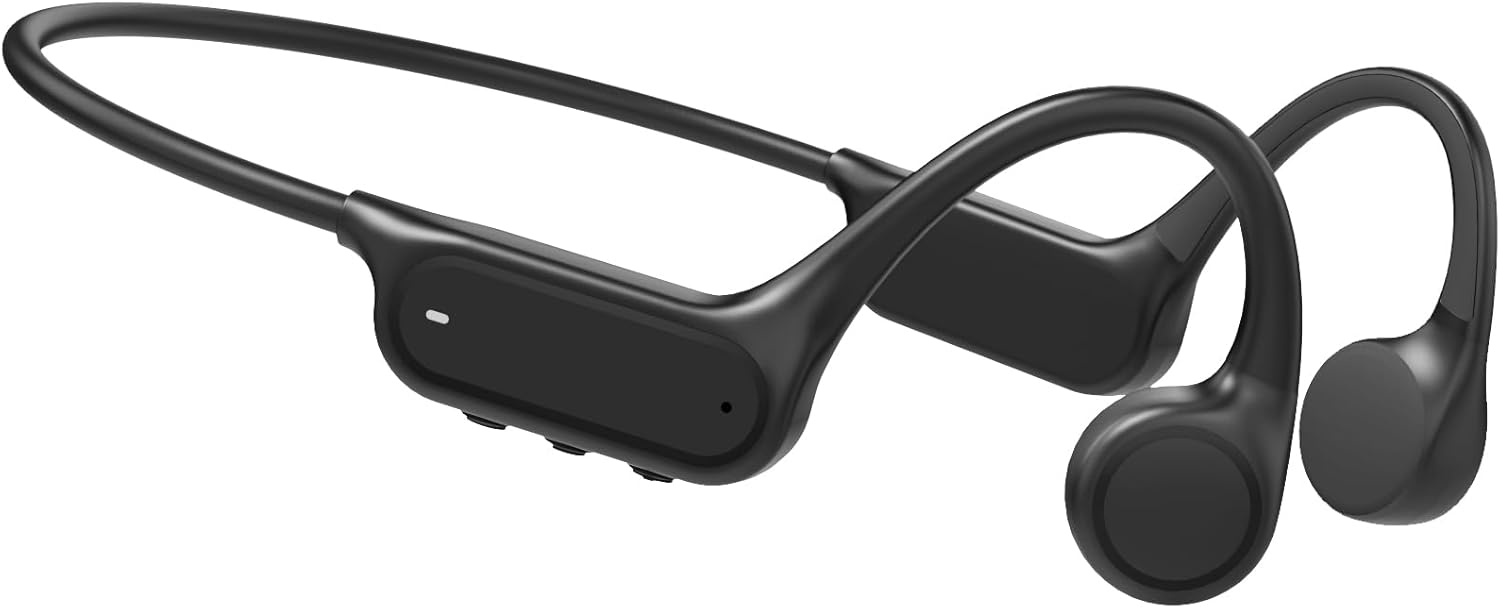
Open-ear designs (bone conduction) don't block ear canals. Full environmental awareness.
Ambient/transparency modes let sound through active noise canceling.
Single earbud use leaves one ear open. Practical safety compromise.
Volume discipline matters—music shouldn't prevent hearing approaching vehicles.
Bone Conduction Alternative
Bone conduction headphones transmit sound through cheekbones, not ear canals.
Ears remain completely open for environmental awareness.
Audio quality is inferior to traditional headphones. Trade-off for safety.
Popular brands: Shokz (formerly AfterShokz) dominates this category.
Weight Matters
Heavy headphones bounce during running. Lightweight designs stay stable.
True wireless earbuds weigh grams. Unnoticeable during runs.
Over-ear headphones aren't practical for running—too heavy, too hot.
Battery for Long Runs
Marathon training requires extended battery life.
3-4 hours minimum for typical runs. 6+ hours for long runs.
Charging cases extend total battery for multi-run weeks.
Quick charge features provide emergency top-ups before runs.
Weather Durability
Outdoor running means weather exposure.
Cold affects battery performance and may crack plastics.
Heat degrades rubber and plastic components over time.
Sun exposure fades colors and degrades materials.
Controls During Movement
Adjusting audio while running requires easy controls.
Large touch surfaces work better than small buttons during movement.
Voice control eliminates physical interaction entirely.
Watch integration allows audio control without touching headphones.
Reflective Elements
Some running headphones include reflective elements for visibility.
Not essential but beneficial for early morning or evening runs.
Running vests and lights are more effective for visibility than headphone reflectors.
Practical Recommendations
For road running, secure-fit wireless earbuds ($50-150) with IPX5+ rating and ambient mode balance audio quality with safety.
For trail running or safety-priority runners, bone conduction headphones ($80-150) provide full environmental awareness.
Test fit during actual running before committing—stationary fit doesn't predict running stability.
Frequently Asked Questions
What should I look for when buying headphones running?
Key factors include build quality, user reviews, and value for money. Top-rated options like the occiam occiam Active Noise Cancelling Earbuds Wireless Bl (4.8★ from 347 reviews) demonstrate what quality looks like in this category.
How much do headphones running typically cost?
Prices range from $17 to $160, with most quality options around $65. Budget options under $25 work for occasional use, while premium models over $98 offer better durability and features.
Which headphones running are most popular right now?
The occiam Active Noise Cancelling Earbuds Wireless Bluetooth He is currently top-rated with 4.8★ from 347 verified reviews. Check our full comparison at /best/headphones-running for all top picks.
⚖️ Quick Comparison
| Product | Price | Rating | Key Feature |
|---|---|---|---|
| $89.98 | 1. Active Noise Cancelling Headphones Our noise cancelling earbuds can effective... | ||
| $124.95 | MP3 + Bluetooth (Bluetooth for land use only) + Shokz App - Stream music and pod... | ||
| $26.99 | Bone Conduction Innovation:X16 bone conduction headphones transmits sound throug... |