 PickPundit
📦 How to Choose the Best Mobility Aids: Complete Buying Guide

Complete mobility aids buying guide. Learn what features matter, compare top products, and find the best mobility aids for your budget.
View Top Picks →Table of Contents
Mobility Aids: Device Types, Selection Criteria, and Independence Support
Mobility aids help people with physical limitations move safely and independently. Understanding device categories and features helps select appropriate mobility support.
Device Categories
Canes: basic support, balance assistance.
Walkers: stable support, weight bearing.
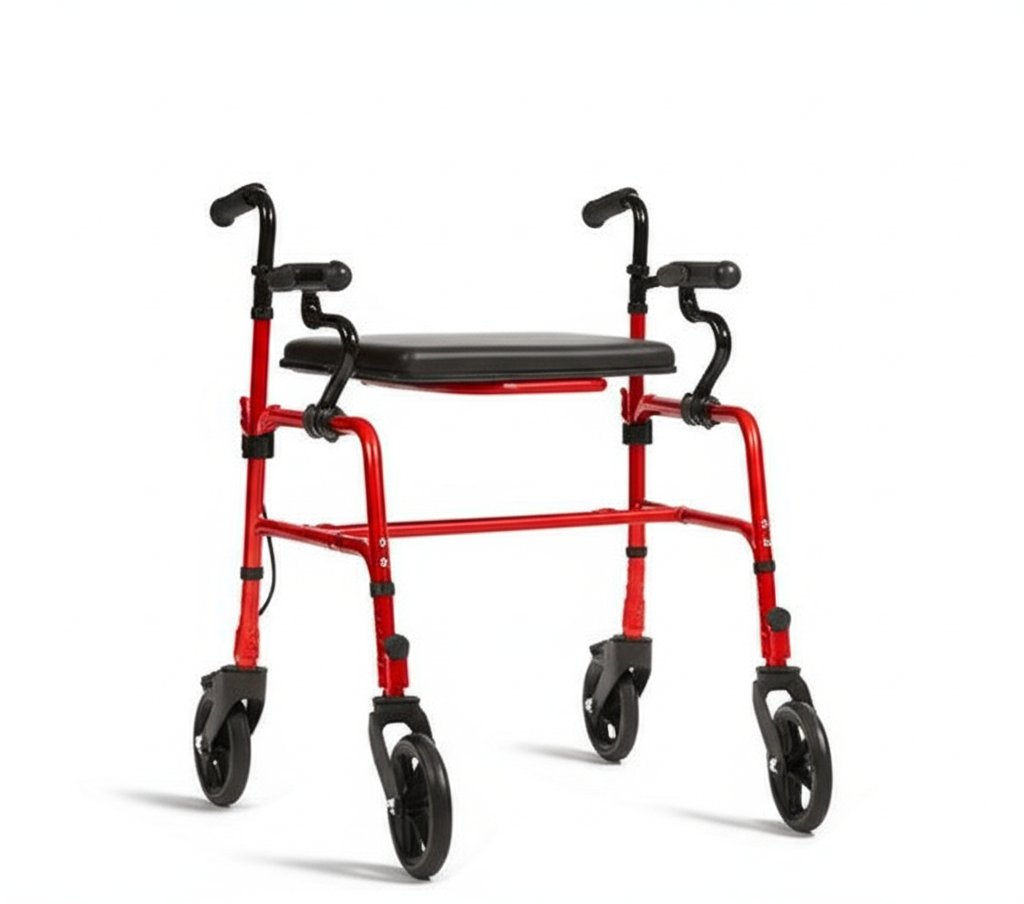
Rollators: wheeled walkers with seats.
Wheelchairs: full mobility support.
Scooters: powered outdoor mobility.
Cane Types
Standard canes: single point, basic support.
Quad canes: four-point base, more stability.
Folding canes: portable, travel-friendly.
Offset canes: ergonomic weight distribution.
Walker Selection
Standard walkers: lift and move, most stable.
Front-wheel walkers: easier to move.
Rollators: four wheels, brakes, seat.
Match to stability needs and environment.
Rollator Features
Seats for resting.
Storage baskets or pouches.
Brake systems for safety.
Height adjustable handles.
Wheelchair Considerations
Manual vs powered.
Transport vs everyday use.
Width for doorways and spaces.
Cushion and support needs.
Sizing Importance
Proper height for posture.
Width for comfort and access.
Weight capacity requirements.
Professional fitting recommended.
Weight Capacity
Standard: 250-300 lbs.
Bariatric: 400+ lbs.
Verify capacity before purchasing.
Safety critical consideration.
Portability Factors
Folding capability for transport.
Weight for lifting into vehicles.
Travel-specific designs available.
Consider transport needs.
Indoor vs Outdoor Use
Indoor: maneuverability, floor protection.
Outdoor: larger wheels, durability.
Some devices serve both.
Consider primary environment.
Accessories
Cane tips: rubber, ice tips.
Cup holders and bags.
Trays for transport.
Enhance functionality.
Insurance and Medicare
Many devices covered.
Prescription may be required.
Coverage varies by policy.
Check benefits before purchasing.
Practical Recommendations
For balance support, quality canes ($20-50) with proper height adjustment provide basic assistance.
For walking support, rollators ($100-300) combine mobility with rest capability.
For significant mobility needs, consult medical professionals for proper device selection.
Proper fitting matters—incorrectly sized aids can cause additional problems.
Frequently Asked Questions
What should I look for when buying mobility aids?
Key factors include build quality, user reviews, and value for money. Top-rated options like the Stander Stander BedCaddie (4.2★ from 1,449 reviews) demonstrate what quality looks like in this category.
How much do mobility aids typically cost?
Prices range from $9 to $999, with most quality options around $82. Budget options under $13 work for occasional use, while premium models over $123 offer better durability and features.
Which mobility aids are most popular right now?
The Stander BedCaddie is currently top-rated with 4.2★ from 1,449 verified reviews. Check our full comparison at /best/mobility-aids for all top picks.


