 PickPundit
🧴 How to Choose the Best Shampoos: Complete Buying Guide

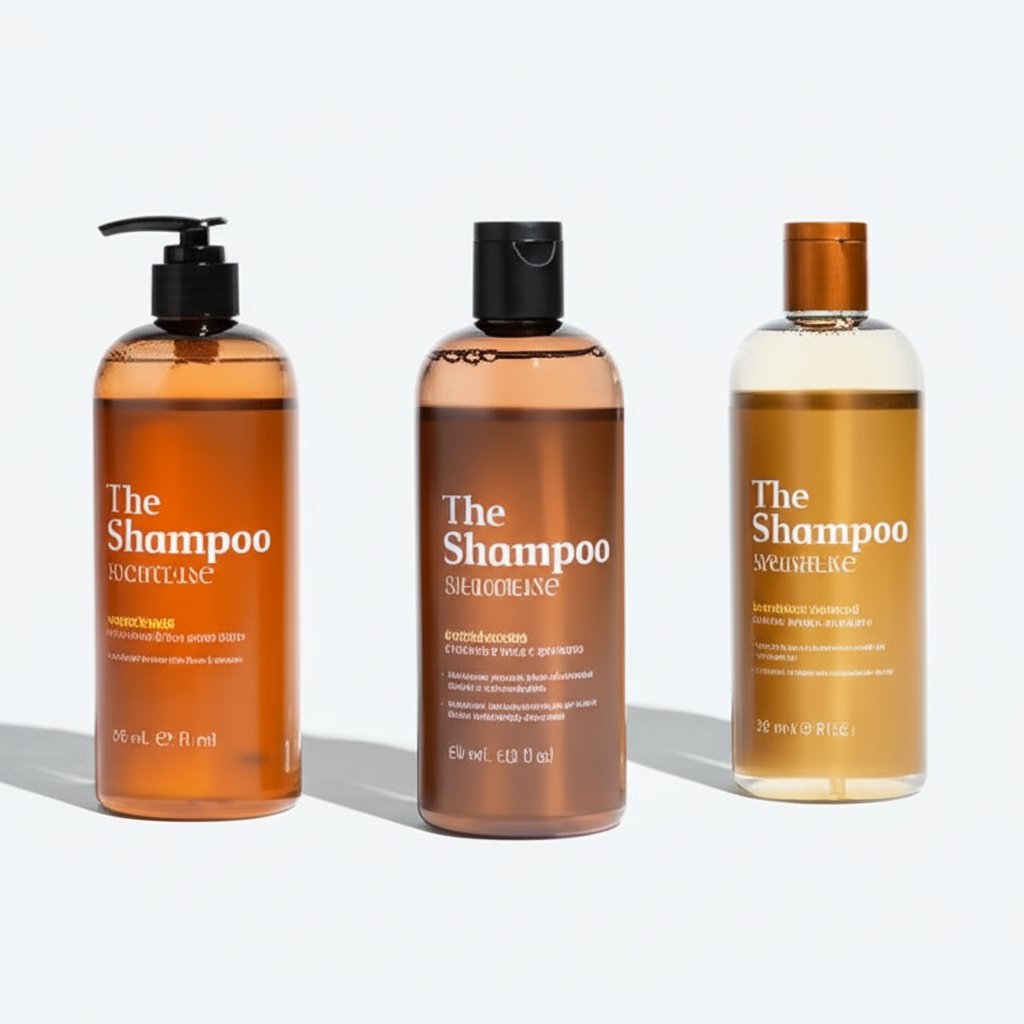
Complete shampoos buying guide. Learn what features matter, compare top products, and find the best shampoos for your budget.
View Top Picks →Table of Contents
Shampoos: Decoding the Sulfate-Free and Specialty Marketing
Shampoo marketing has become increasingly complex—sulfate-free, paraben-free, color-safe, moisturizing, volumizing, clarifying. Understanding what these terms actually mean (and don't mean) enables informed selection rather than marketing-driven purchasing.
How Shampoo Works
All shampoos function through surfactants—molecules with water-attracting and oil-attracting ends that lift oil, dirt, and product buildup from hair and scalp for rinsing.
Traditional shampoos use sulfate surfactants (sodium lauryl sulfate, sodium laureth sulfate) for strong cleansing. Modern alternatives use gentler surfactants marketed as "sulfate-free."
The cleansing mechanism is identical—only the surfactant strength differs.
The Sulfate-Free Question
Sulfate-free shampoos use milder surfactants that:
- Clean less aggressively (good for dry/damaged hair)
- Strip less natural oil (preserves moisture)
- Fade color-treated hair less quickly
- May not remove heavy product buildup as effectively
For healthy hair with typical oil production, sulfates aren't problematic. For dry, damaged, or color-treated hair, sulfate-free formulas may provide gentler treatment.
The TRESemmé and Dove options at $8-9 represent traditional sulfate shampoos. Biolage at $45 represents salon sulfate-free positioning.
Color-Treated Hair Considerations
The Biolage Color Last at $45 specifically targets color-treated hair:
Color protection claims: Gentler surfactants fade color less quickly
UV protection: Some formulas include UV filters preventing sun-induced fading
Lower pH: Keeps hair cuticle closed, sealing color
Color-treated hair genuinely benefits from appropriate products—the investment in salon color deserves supporting products that protect that investment.
Drugstore vs Salon Pricing
The dramatic price gap ($8 vs $45) reflects:
Ingredients: Salon brands may use higher-concentration actives
Formulation: More sophisticated ingredient combinations
Size: Salon products often in larger professional sizes
Marketing and distribution: Salon brands maintain higher pricing through limited distribution
Whether salon pricing delivers proportional improvement depends on hair condition and sensitivity. Some users notice significant differences; others find drugstore products adequate.
Hair Type Matching
Shampoos formulate for different hair needs:
Moisturizing (Dove Intensive Repair): For dry, damaged hair needing hydration
Volumizing: For fine, limp hair wanting lift
Clarifying: For buildup removal, not daily use
Smoothing: For frizzy hair seeking sleekness
Color-safe: For preserving color-treated hair
Using mismatched shampoo undermines results—volumizing shampoo on already-dry hair creates worse dryness; moisturizing shampoo on fine hair creates limpness.
Ingredient Claims
Marketing emphasizes specific ingredients:
Biotin: Claims to strengthen hair (limited evidence for topical application)
Keratin: Protein matching hair's natural composition
Argan oil: Moisturizing and smoothing
Coconut oil: Moisturizing, may penetrate hair shaft
Individual ingredient efficacy matters less than overall formulation. A shampoo with trendy ingredients in a poor formula underperforms a well-formulated basic shampoo.
Frequency Considerations
Shampoo frequency affects hair health:
Daily washing: May strip natural oils, especially with strong sulfate shampoos
Every other day: Common recommendation for normal hair
Twice weekly: May suit dry or curly hair
Co-washing: Conditioner-only washing for very dry/curly types
Shampoo selection should match washing frequency—daily washers benefit from gentler formulas; infrequent washers can use stronger cleansing products.
Practical Recommendations
For normal hair without specific concerns: Drugstore shampoos ($6-12) provide adequate cleansing without unnecessary premium.
For color-treated hair: Color-safe formulas protect color investment. Consider whether salon pricing justifies for your color maintenance costs.
For dry or damaged hair: Moisturizing, sulfate-free options reduce stripping that worsens dryness.
For oily hair: Clarifying or stronger formulas may be necessary—gentle formulas won't adequately cleanse.
The key insight: shampoo selection should match hair type and condition, not marketing trends. The right drugstore shampoo outperforms the wrong salon product.
Frequently Asked Questions
What should I look for when buying shampoos?
Key factors include build quality, user reviews, and value for money. Top-rated options like the Biolage Biolage Color Last Shampoo - For Color-Treated Hai (4.7★ from 39,796 reviews) demonstrate what quality looks like in this category.
How much do shampoos typically cost?
Prices range from $4 to $84, with most quality options around $19. Budget options under $7 work for occasional use, while premium models over $29 offer better durability and features.
Which shampoos are most popular right now?
The Biolage Color Last Shampoo - For Color-Treated Hair is currently top-rated with 4.7★ from 39,796 verified reviews. Check our full comparison at /best/shampoos for all top picks.


