 PickPundit
🛏️ How to Choose the Best Sleeping Bags: Complete Buying Guide

Complete sleeping bags buying guide. Learn what features matter, compare top products, and find the best sleeping bags for your budget.
View Top Picks →Table of Contents
Sleeping Bags: The Temperature Rating Lies
Sleeping bag temperature ratings are optimistic marketing rather than realistic comfort guidance. A bag rated "20°F" means "survival temperature" not "comfortable sleep temperature."
Understanding the rating system prevents the cold, miserable camping night from trusting advertised numbers.
The Temperature Rating System Explained
Comfort rating: Temperature at which average cold sleeper stays comfortable (this is realistic guideline).
Lower limit rating: Temperature at which average warm sleeper stays comfortable (optimistic for most users).
Extreme/survival rating: Temperature you'll survive but not sleep comfortably (marketing uses this number).
The problem: Many manufacturers list only the extreme rating. A "20°F" bag might have 35°F comfort rating and 20°F extreme rating - you'll be cold at 25°F despite bag's claim.
The safety margin: Add 10-15 degrees to advertised rating for realistic comfort expectation. A "20°F" bag is comfortable down to 30-35°F for most users.
The Synthetic vs Down Insulation Performance Wet
Down insulation: Superior warmth-to-weight ratio, compresses smallest, lasts longest (10-20 years with care). Also: loses all insulating ability when wet, requires dry storage, more expensive ($200-500).
Synthetic insulation: Retains warmth when wet, dries faster, cheaper ($60-200), hypoallergenic. Also: heavier for equivalent warmth, compresses larger, shorter lifespan (5-10 years).
The wet-weather decision: humid climates or paddling trips where wetness is likely require synthetic. Dry climates or car camping where keeping bag dry is manageable, down's superior performance justifies premium.
The Mummy vs Rectangular Shape Warmth vs Comfort
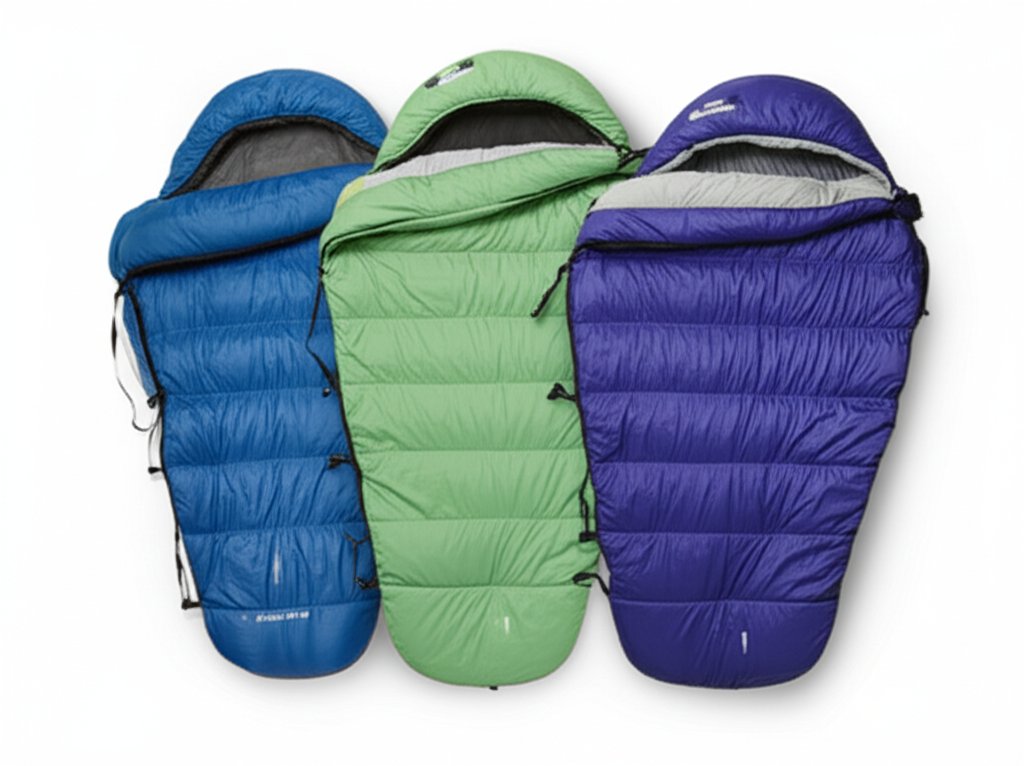
Mummy bags (tapered toward feet): Minimal air space reduces heat loss, lighter weight, smaller packed size. Also: restrictive for side sleepers and active sleepers, can't sit up inside bag, claustrophobic feeling for some.
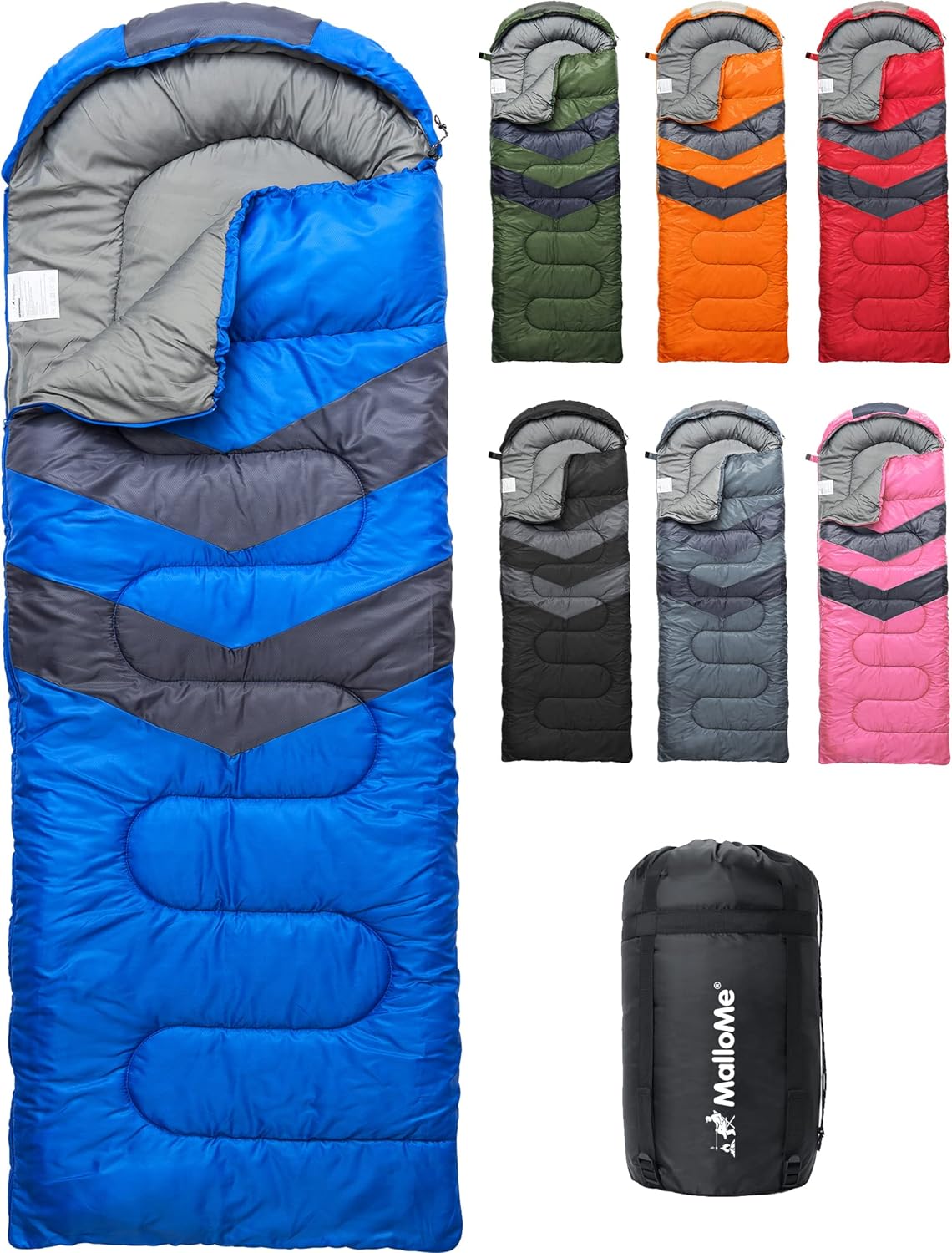
Rectangular bags: Room to move, side sleeping easier, can sit up or zip together for couples. Also: more air space reduces warmth, heavier, larger packed size.
The warmth-comfort trade-off: mummy bags rated 10-15 degrees warmer than rectangular bags of same insulation due to reduced air space. For weight/warmth priority (backpacking), mummy essential. For comfort (car camping), rectangular acceptable if adding 10-15 degrees to temperature planning.
The Zipper Quality vs Snagging Frustration
Cheap zippers snag on fabric, require patience and two-handed operation to open/close without jamming.
Quality zippers (YKK brand standard): Glide smoothly, one-handed operation, anti-snag design.
One review's frustration: "Bought budget bag, zipper snags constantly, takes 2 minutes to zip/unzip carefully. Friend's premium bag zips in 10 seconds one-handed."
The zipper quality affects every entry/exit. Over camping trip with 3-4 nights, budget zipper's 8-10 minutes total extra time creates cumulative frustration. Premium zipper's smooth operation prevents this annoyance.
For frequent camping, zipper quality justifies $50-100 premium. For occasional use, accepting zipper frustration saves money.
The Compression Sack Reality
Sleeping bags ship in compression sacks reducing bulk for transport. The long-term storage recommendation: store UNCOMPRESSED in large storage sack.
Storing in compression sack permanently degrades insulation (down loses loft, synthetic loses spring). The insulation degradation over seasons creates the "bag used to keep me warm at 30°F, now I'm cold at 35°F" experience.
Proper storage maintains insulation performance across years. The inconvenience of large storage (hanging in closet or large bag) preserves the $200-400 investment.
Framework
Car camping comfort ($60-120): Rectangular synthetic, 15°F-rated for 30-40°F camping, spacious for movement.
Backpacking weight ($200-400): Mummy down bag, 10-15°F rated for 25-30°F camping, accepting restricted movement for weight savings.
Budget occasional ($40-80): Synthetic rectangular, adding 15° to rating for realistic comfort, accepting shorter lifespan and larger pack size.
4-season/winter ($300-600): Premium down fill (800+ fill power), mummy shape, 0°F to -20°F ratings for winter camping, serious investment requiring proper storage.
Couples car camping ($100-200): Two rectangular bags with compatible zippers enabling zipping together into double bag.
The temperature rating skepticism prevents the dangerous cold-night situation from trusting optimistic manufacturer claims. The 10-15 degree safety margin and distinguishing comfort vs extreme ratings enables realistic trip planning and appropriate bag selection.
Frequently Asked Questions
What should I look for when buying sleeping bags?
Key factors include build quality, user reviews, and value for money. Top-rated options like the Kanyak Camping Sleeping Bag (4.6★ from 856 reviews) demonstrate what quality looks like in this category.
How much do sleeping bags typically cost?
Prices range from $20 to $103, with most quality options around $40. Budget options under $30 work for occasional use, while premium models over $60 offer better durability and features.
Which sleeping bags are most popular right now?
The Camping Sleeping Bag is currently top-rated with 4.6★ from 856 verified reviews. Check our full comparison at /best/sleeping-bags for all top picks.