 PickPundit
📦 How to Choose the Best Toners: Complete Buying Guide

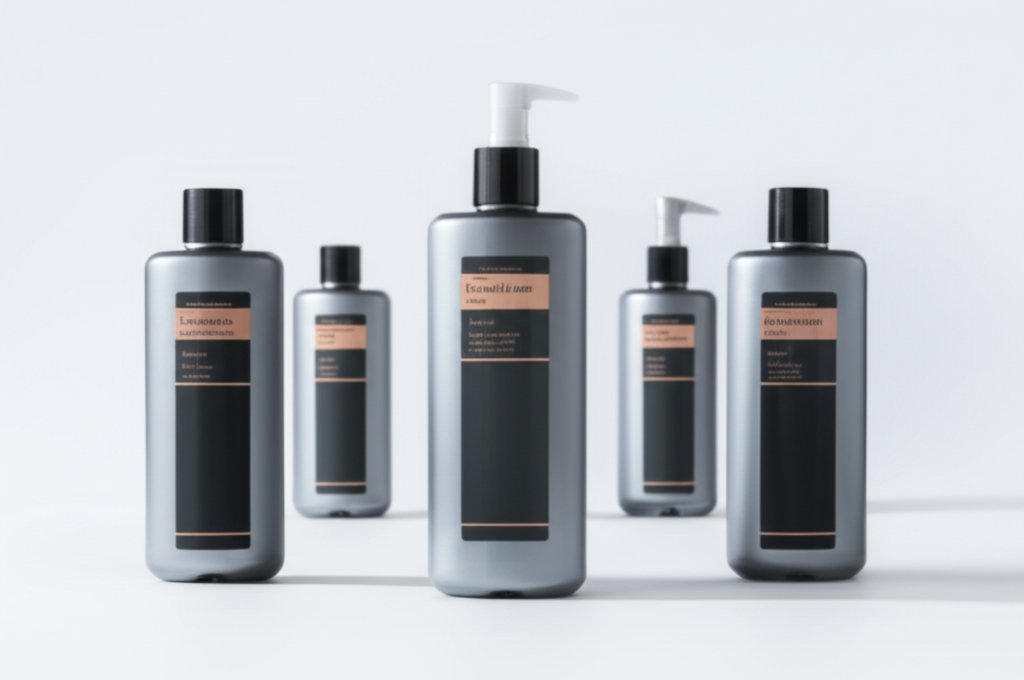
Complete toners buying guide. Learn what features matter, compare top products, and find the best toners for your budget.
View Top Picks →Table of Contents
Skincare Toners: The Prep Step That Divides Dermatologists
Toners occupy contested territory in skincare—some dermatologists consider them essential prep steps that enhance product absorption, while others dismiss them as unnecessary additions to already-complex routines. Understanding what toners actually do helps determine whether they belong in your specific routine.
What Toners Actually Do
Modern toners serve different purposes than their historical predecessors:
Old-school toners: Astringent formulas designed to remove residual cleanser and "close pores" (pores don't actually open and close). Often alcohol-heavy and drying.
Modern toners: Hydrating or treatment formulas that prep skin for subsequent products. Focus on hydration delivery and active ingredient application.
The Ordinary Glycolic Acid at $9, ANUA Rice Toner at $21, and JMsolution Heartleaf at $19 represent modern treatment and hydrating toner approaches rather than old-school astringency.
Hydrating Toners
Hydrating toners (like the ANUA Rice 70) deliver water-attracting ingredients:
Humectants: Hyaluronic acid, glycerin, rice water drawing moisture to skin
Skin prep: Hydrated skin absorbs subsequent serums and moisturizers better
Layering approach: Multiple thin hydrating layers (Korean "7-skin method")
For dry skin or in dry climates, hydrating toners add genuine value. For oily skin in humid environments, they may be unnecessary.
Exfoliating Toners
Exfoliating toners (like The Ordinary Glycolic Acid 7%) deliver chemical exfoliation:
AHAs: Glycolic acid, lactic acid for surface exfoliation
BHAs: Salicylic acid for pore-clearing
Brightening: Regular exfoliation improves skin clarity and texture
These function as active treatments rather than prep steps. The 7% glycolic concentration in The Ordinary provides significant exfoliation—not daily use for most skin types.
Soothing Toners
Soothing toners (like the JMsolution Heartleaf) calm reactive skin:
Anti-inflammatory ingredients: Centella, heartleaf (houttuynia cordata), aloe
Redness reduction: Calming irritated or sensitized skin
Barrier support: Helping compromised skin barriers recover
For sensitive skin or after irritating treatments, soothing toners provide genuine recovery support.
The K-Beauty Influence
Korean skincare popularized hydrating toners and multi-step routines:
Essence-toner hybrids: More viscous, more hydrating than traditional toners
Patting application: Pressing toner into skin rather than wiping
Multiple layers: Building hydration through repeated thin applications
The ANUA and JMsolution products reflect K-beauty influence—emphasizing hydration and gentle ingredients over the astringent Western toner tradition.
Do You Need a Toner?
Honest assessment of toner necessity:
Probably beneficial: Dry skin, dehydrated skin, desire to maximize serum absorption, interest in specific treatment ingredients delivered in toner format.
Probably unnecessary: Already adequate hydration, simple routines working well, budget constraints requiring prioritization.
Toners are optional. A good cleanser, treatment serum, and moisturizer provide complete skincare. Toners enhance but don't replace these fundamentals.
Application Methods
Toner application affects results:
Cotton pad wiping: Traditional method, may waste product on pad
Patting with hands: Direct delivery, no waste, better for hydrating toners
Misting: Spray bottles for convenient application, good for refreshing
For treatment toners (like glycolic acid), controlled application via pad may improve even distribution. For hydrating toners, hand application maximizes product use.
Practical Recommendations
For dry/dehydrated skin: Hydrating toners like ANUA Rice provide genuine hydration support at reasonable prices.
For texture/brightness concerns: Exfoliating toners like The Ordinary Glycolic at $9 deliver effective treatment affordably.
For sensitive/reactive skin: Soothing toners with calming ingredients help manage reactivity.
For minimal routines: Toners are optional—skip if your current routine works well.
The key insight: modern toners can add value for specific skin concerns, but they're enhancements rather than essentials. Evaluate based on your specific needs rather than routine completionism.
Frequently Asked Questions
What should I look for when buying toners?
Key factors include build quality, user reviews, and value for money. Top-rated options like the JMsolution JMsolution Heartleaf 88 Toner - 88% Heart Leaf Wat (4.3★ from 39 reviews) demonstrate what quality looks like in this category.
How much do toners typically cost?
Prices range from $8 to $99, with most quality options around $23. Budget options under $12 work for occasional use, while premium models over $35 offer better durability and features.
Which toners are most popular right now?
The JMsolution Heartleaf 88 Toner - 88% Heart Leaf Water is currently top-rated with 4.3★ from 39 verified reviews. Check our full comparison at /best/toners for all top picks.


