 PickPundit

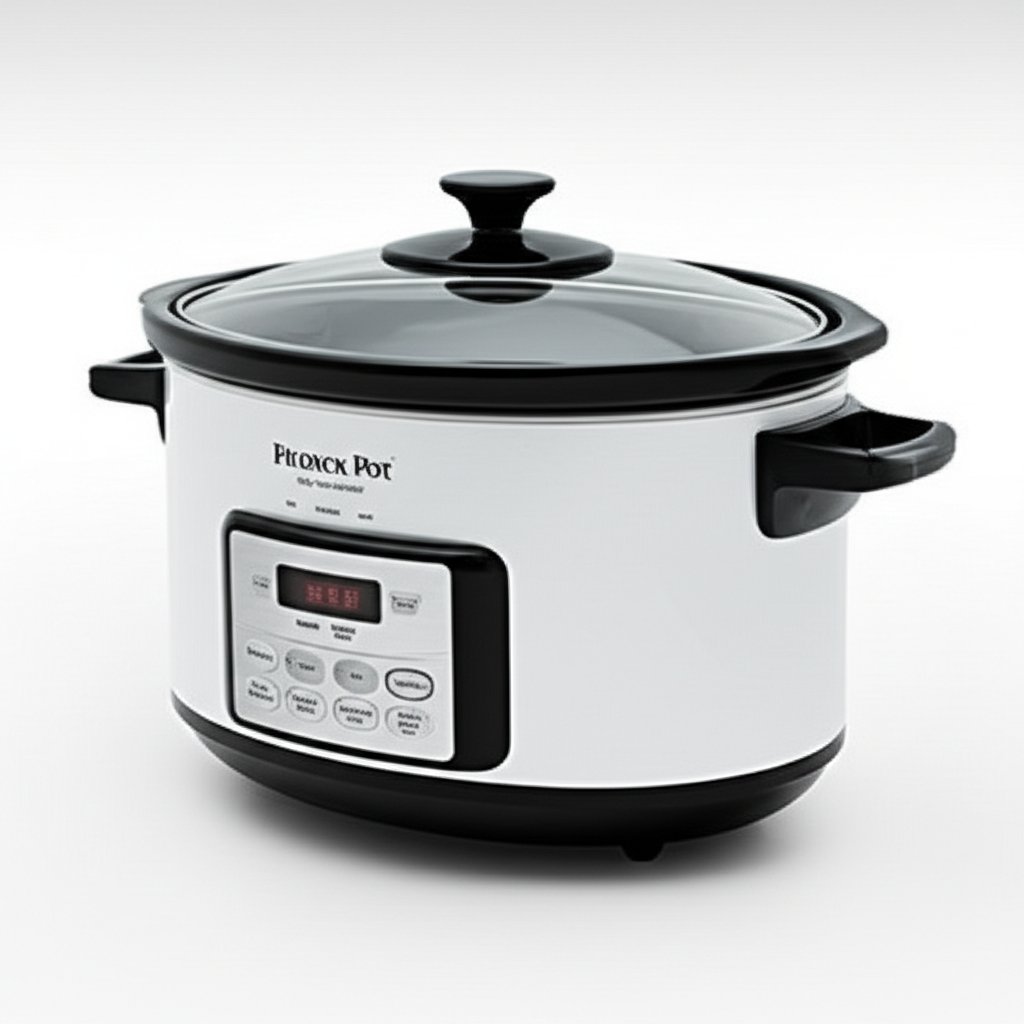
Complete slow cookers buying guide. Learn what features matter, compare top products, and find the best slow cookers for your budget.
View Top Picks →Table of Contents
Slow Cookers: The Set-It-And-Forget-It Promise vs The Overcooked-By-Hour-Eight Reality
Slow cooker marketing emphasizes "set it and forget it" convenience - dump ingredients in morning, return to finished meal at dinner. Reviews reveal the timing precision challenge: "Recipe said 8 hours on low, checked at 7.5 hours perfect, returned at 8 hours overcooked and dry."
The slow cooker doesn't stop cooking at recipe completion time - it continues cooking until you return home, potentially hours later. This timing inflexibility creates the overcooked problem appearing across reviews.
The Programmable Timer vs Manual Control Value
Manual slow cookers: Set to low/high/warm, runs until manually turned off. Requires precise timing - arrive home exactly when cooking completes.
Programmable slow cookers: Set cook time (4-8 hours), automatically switches to "warm" mode when time expires. Prevents overcooking if delayed arriving home.
The programmable premium ($15-30 extra) provides insurance against traffic delays, late work meetings, or schedule changes ruining dinner. For rigid schedules enabling exactly-timed arrival, manual suffices. For variable schedules, programmable prevents the repeated dinner failures from 30-60 minute delays.
The Size vs Minimum Fill Requirement
Small slow cookers (2-3 quarts): Serve 1-2 people, require minimum 1-1.5 quarts liquid to prevent burning. Too small for recipes requiring liquid coverage of ingredients.
Medium (4-6 quarts): Most versatile, serve 3-5 people, accommodate most recipes. Most popular size.
Large (7-8 quarts): Serve 6-8+, excellent for entertaining and batch cooking. Require 3+ quarts minimum liquid - inefficient for small portions.
The minimum-fill problem: small portions in large cookers don't cover heating element adequately, causing uneven cooking and potential burning. Using 7-quart cooker for 2-person meal requires either excess liquid (diluting flavor) or accepting uneven cooking.
The size-matching prevents the "bought 7-quart for entertaining capability, but mostly cook for two and results are disappointing" scenario.
The Ceramic vs Metal Insert Durability
Ceramic inserts: Traditional material, distributes heat evenly, dishwasher-safe. Also: fragile - drops crack or shatter, thermal shock from temperature extremes can crack.
Metal inserts (stainless steel or aluminum): Durable, impact-resistant, lightweight. Also: heats less evenly requiring more liquid to prevent hotspots, not universally dishwasher-safe.
The ceramic fragility matters for long-term ownership. Replacement ceramic inserts cost $30-60 depending on size - significant fraction of slow cooker's original cost. For households with drop-prone members or limited counter space (requiring frequent moving), metal inserts' durability justifies potential even-heating compromise.
The "Warm" Setting Temperature Danger Zone
"Warm" mode maintains temperature around 165-175°F - intended for holding cooked food. This sits in bacterial danger zone (140-165°F) where bacteria multiply rapidly if food enters from refrigerated state.
The unsafe practice appearing in reviews: "Put frozen chicken in slow cooker on warm overnight, cooked on low during day." Starting with frozen/refrigerated food on warm mode allows hours in danger zone before reaching safe temperature.
Proper use: Cook on low/high until food reaches 165°F+ internal temperature, THEN switch to warm for holding. Never start cooking on warm mode.
The Lid Seal vs Steam Venting Design
Sealed lids (tight-fitting with minimal venting): Retain moisture better, prevent evaporation, better for soups and stews.
Vented lids (deliberate steam escape): Reduce excess liquid accumulation, better for recipes where liquid reduction desired.
The moisture accumulation problem: slow cooking in sealed environment generates condensation. Recipes requiring liquid reduction (thicker sauces, reduced stews) end up too watery in sealed slow cookers. Vented lids or removing lid last 30 minutes enables liquid reduction.
The Oval vs Round Shape Practical Difference
Oval slow cookers: Accommodate whole chickens, roasts, and rectangular cuts. Better for one-piece proteins.
Round slow cookers: Better for soups, stews, and ingredients requiring even heat distribution from all sides.
For primary use of soups/stews/chilis, round provides optimal shape. For roasting whole meats, oval's shape accommodates better. The shape choice should match primary intended recipes.
Framework
Basic occasional use ($30-50): Manual control, ceramic insert, 4-6 quart medium size, accepting timing precision requirement.
Regular weeknight meals ($60-100): Programmable timer, 6-quart, ceramic insert, timer prevents overcook if delayed.
Large families/entertaining ($80-120): 7-8 quart oval shape, programmable, accommodates whole chickens and large roasts.
Durability priority ($70-120): Metal insert models, accepting slight heating differences for drop/crack resistance.
Minimal counter space ($40-70): Compact 3-4 quart, lightweight for easy storage, accepting capacity limitations.
The slow cooker's value comes from unattended cooking enabling work-day meal preparation. But the "unattended" requires either perfect timing (arrive exactly when cooking completes) or programmable timer (preventing overcook). The $20-30 programmable premium pays for itself through preventing the repeated ruined-dinner frustrations manual models create with schedule unpredictability.
Frequently Asked Questions
スロークッカーを購入するときは、何を探すべきですか?
主な要因には、ビルドの品質、ユーザー レビュー、およびコストパフォーマンスが含まれます。 ハミルトン ビーチ ハミルトン ビーチのスロークッカーのような最高評価のオプション (19,751 件のレビューから 4.6 ★ 4.6 レビュー) は、このカテゴリーでどのような品質が見られるかを示しています。
スロークッカーの通常の費用はいくらですか?
価格は 22 ドルから 250 ドルで、ほとんどの高品質のオプションは約 81 ドルです。 33 ドル未満の予算オプションは、時折使用できる場合に使用できますが、122 ドルを超えるプレミアム モデルは、より優れた耐久性と機能を提供します。
現在最も人気のあるスロークッカーは?
ハミルトン ビーチのスロー クッカーは現在、19,751 件の検証済みレビューから 4.6 ★ で最高評価を得ています。 すべてのトップ ピックについては、/best/low-cookers で完全な比較を確認してください。


