 PickPundit
📦 How to Choose the Best Braces & Supports: Complete Buying Guide

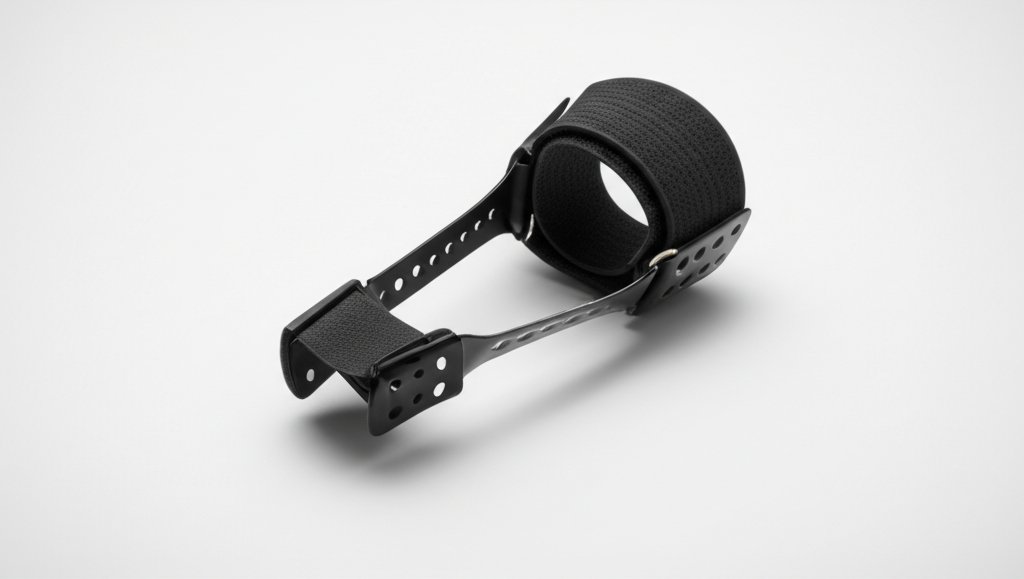
Complete braces & supports buying guide. Learn what features matter, compare top products, and find the best braces & supports for your budget.
View Top Picks →Table of Contents
Braces and Supports: Compression, Stabilization, and Recovery
Braces and supports address injuries, chronic conditions, and preventive protection through compression, stabilization, and joint control. The category spans from $10 compression sleeves to $200 hinged braces, with appropriate selection depending on injury type, activity level, and whether you're preventing problems or managing existing ones.
Compression vs Stabilization
Two fundamentally different support mechanisms serve different purposes:
Compression supports (sleeves, wraps, elastic braces) apply pressure without restricting movement. They increase blood flow, reduce swelling, provide proprioceptive feedback, and offer mild support. The Bracoo knee support at $16 and Bodyprox options exemplify compression-focused designs.
Stabilization braces (hinged braces, rigid supports, locking mechanisms) actively restrict motion to protect injured structures. They prevent specific movements that would stress damaged ligaments, tendons, or joints. These cost more and feel more restrictive but provide actual structural protection.
Choosing between them depends on your situation: compression for minor issues, muscle support, and activity enhancement; stabilization for actual injuries requiring motion restriction.
Body Part Considerations
Different joints require different support approaches:
Knee braces range from simple sleeves to complex hinged designs. Patella straps (like the Bodyprox at $14) specifically address patellar tendon issues. Hinged braces protect ACL/MCL injuries. Compression sleeves provide general support without specific structural protection.
Ankle supports (like the Bodyprox at $10) typically use figure-eight wrapping patterns or lace-up designs to restrict side-to-side motion while allowing forward-back movement. Severity of ankle instability determines how much restriction you need.
Back supports (like the Ergodyne ProFlex at $12) primarily compress core muscles and provide postural reminders rather than structural spinal support. They're useful for lifting activities but don't substitute for core strength or proper lifting technique.
Wrist braces restrict motion for carpal tunnel, tendonitis, or injury recovery. Nighttime splints hold neutral positions during sleep; daytime braces balance support with functional use.
When to Use Supports
Appropriate support use includes:
Acute injury recovery: After sprains, strains, or minor tears, supports protect healing tissues during the vulnerable period.
Chronic condition management: Ongoing issues like arthritis, tendinitis, or instability benefit from consistent support during aggravating activities.
Activity-specific protection: Contact sports, heavy lifting, or repetitive motions may warrant preventive support for vulnerable joints.
Return to activity: Graduated support during recovery—more restrictive initially, transitioning to compression, eventually discontinuing.
When Not to Use Supports
Inappropriate or excessive support use creates problems:
Masking pain that needs diagnosis: Supports that enable ignoring serious injuries delay proper treatment.
Muscle atrophy: Long-term brace use without rehabilitation allows supporting muscles to weaken.
Dependency development: Some users become psychologically dependent on supports for activities that don't require them.
Wrong brace for condition: Using compression when stabilization is needed (or vice versa) provides false security while allowing harmful movement.
Medical evaluation should precede support use for significant injuries. Supports complement—not replace—proper diagnosis and treatment.
Sizing and Fit
Proper fit determines effectiveness:
Measurement requirements: Most braces size by circumference measurements at specific points. Measure carefully and compare to size charts—don't guess.
Too tight: Restricts circulation, causes numbness, creates pressure sores.
Too loose: Slips during activity, provides minimal support, requires constant adjustment.
Adjustability features: Velcro straps, lacing, and buckle systems allow fit customization. More adjustment options generally mean better fit potential.
Between sizes usually means ordering the larger size, though manufacturer recommendations vary.
Material and Comfort
Support materials affect comfort during extended wear:
Neoprene provides warmth, compression, and water resistance. It can cause sweating and skin irritation for some users. Most knee sleeves use neoprene.
Elastic/spandex blends breathe better than neoprene, providing compression with less heat retention. They may provide less compression than neoprene.
Rigid materials (plastic, metal) in stabilization braces add weight and bulk but enable meaningful motion restriction.
Padding at pressure points prevents discomfort during extended wear. Check where straps and edges contact skin.
Activity-Specific Considerations
Different activities require different support approaches:
Weight lifting: Knee sleeves and wrist wraps are standard powerlifting accessories. They provide compression and warmth without restricting movement patterns.
Running: Minimal support preferred—heavy braces alter gait. Compression sleeves or patella straps address specific issues without adding bulk.
Contact sports: Hinged braces protect existing injuries during play. Sports-specific designs accommodate equipment and movement requirements.
Work activities: Back supports for lifting jobs provide postural reminders and compression. They don't prevent injuries from improper technique.
Quality and Durability
Support quality varies significantly by price point:
Budget options ($10-20) work adequately for mild support needs and occasional use. Expect stitching failures and elastic degradation over 6-12 months of regular use.
Mid-range options ($20-50) offer better construction, more durable materials, and enhanced features. Appropriate for regular use and moderate support needs.
Premium options ($50-200+) feature superior materials, hinged mechanisms, custom-like fit, and long-term durability. Justified for serious injuries or intensive daily use.
The Bracoo and Bodyprox options in the $10-16 range represent budget to mid-range quality—adequate for compression support and mild stabilization needs.
Medical-Grade vs Consumer-Grade
Distinctions matter for serious injuries:
Consumer-grade braces (Amazon, sporting goods stores) provide adequate support for minor issues, prevention, and activity enhancement.
Medical-grade braces (prescribed by physicians, fitted by professionals) offer precise support for diagnosed conditions with professional sizing and adjustment.
Insurance coverage often applies to prescribed medical-grade braces for documented conditions. Consumer-grade purchases typically aren't covered.
For significant injuries—ACL tears, severe sprains, post-surgical recovery—medical-grade braces fitted by professionals provide meaningfully better support than consumer alternatives.
Practical Recommendations
For mild knee support during activity: Compression sleeves ($15-25) provide warmth and proprioceptive feedback without restriction.
For patella tendon issues: Patella straps ($12-20) apply targeted pressure to reduce tendon stress during activity.
For ankle instability: Lace-up ankle braces ($15-30) provide adjustable support exceeding simple compression sleeves.
For back support during lifting: Work belts ($15-40) remind proper posture and provide core compression.
For serious injuries: Seek medical evaluation before self-treating. Prescribed braces fitted professionally outperform consumer alternatives for significant conditions.
The core guidance: match support type to actual need. Compression for minor issues and prevention; stabilization for genuine injuries requiring motion restriction; medical evaluation for anything serious.
Frequently Asked Questions
What should I look for when buying braces supports?
Key factors include build quality, user reviews, and value for money. Top-rated options like the Bracoo Bracoo Knee Support Brace for Men Women (4.2★ from 49,520 reviews) demonstrate what quality looks like in this category.
How much do braces supports typically cost?
Prices range from $10 to $208, with most quality options around $29. Budget options under $15 work for occasional use, while premium models over $44 offer better durability and features.
Which braces supports are most popular right now?
The Bracoo Knee Support Brace for Men Women is currently top-rated with 4.2★ from 49,520 verified reviews. Check our full comparison at /best/braces-supports for all top picks.


