 PickPundit

Complete lavalier microphones buying guide. Learn what features matter, compare top products, and find the best lavalier microphones for your budget.
View Top Picks →Table of Contents
Lavalier Microphones: The Hands-Free Audio Solution for Video Creators
Lavalier microphones—small clip-on mics attached near the mouth—solve a fundamental video production problem: capturing clear voice audio without visible handheld microphones or bulky boom setups. For content creators, interviewers, and presenters, lavs provide professional audio quality while remaining nearly invisible.
Understanding lavalier technology prevents common purchasing mistakes and ensures audio quality matching visual production value.
Wireless vs Wired: The Fundamental Choice
Lavalier systems divide into wireless (transmitter + receiver) and wired (cable to camera or recorder):
Wireless systems ($80-300+):
- Freedom of movement without cable management
- Professional appearance without visible cables
- Greater complexity (batteries, pairing, interference concerns)
- Higher cost for equivalent audio quality
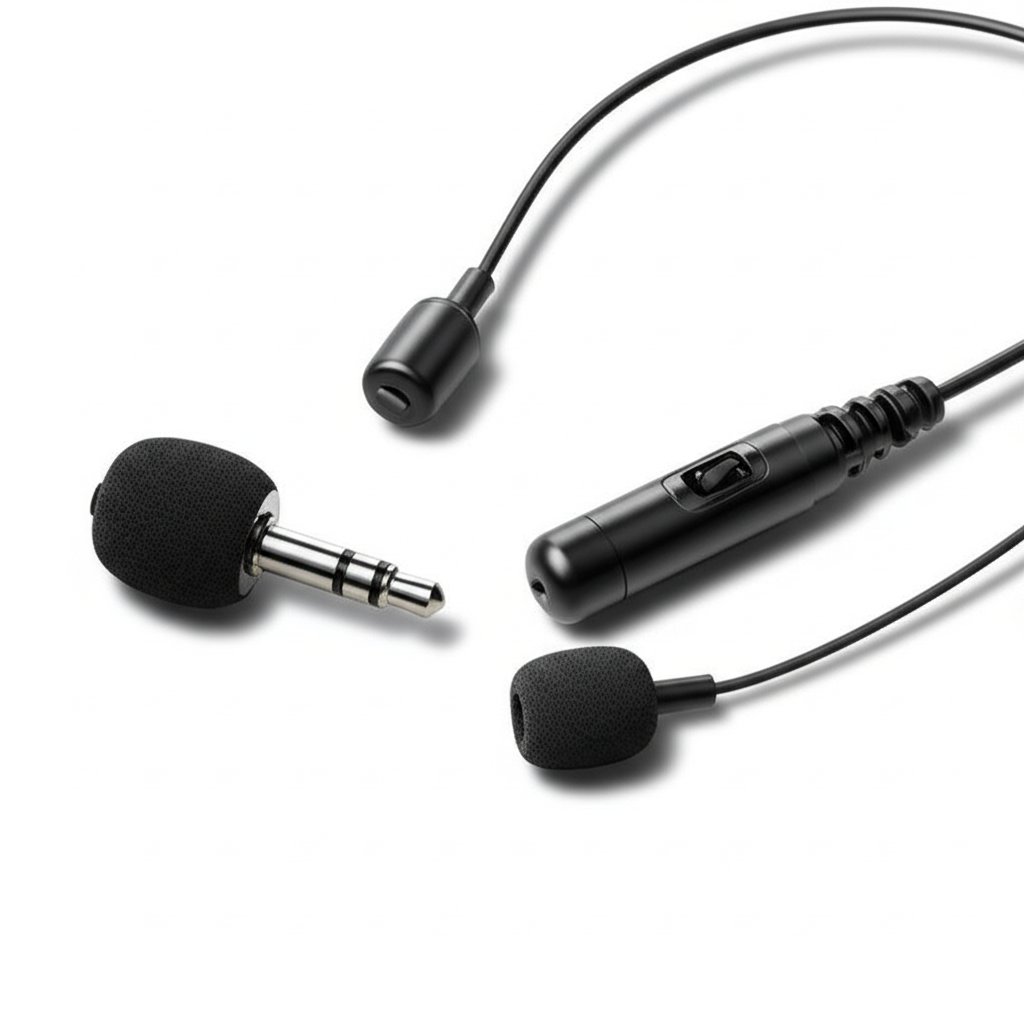
Wired lavaliers ($30-100):
- Simpler operation (plug and record)
- No batteries or wireless concerns
- Lower cost
- Limited range (cable length)
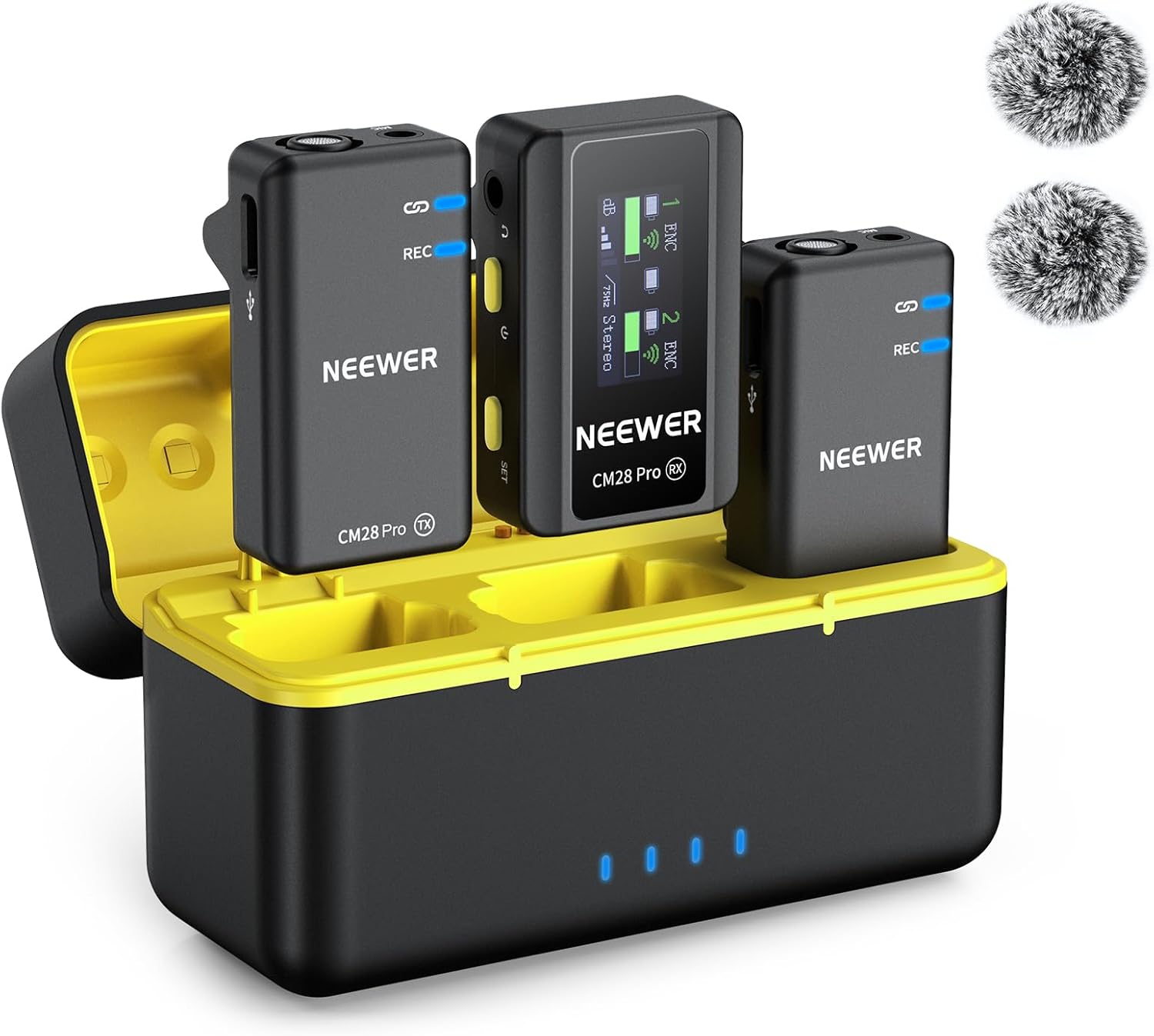
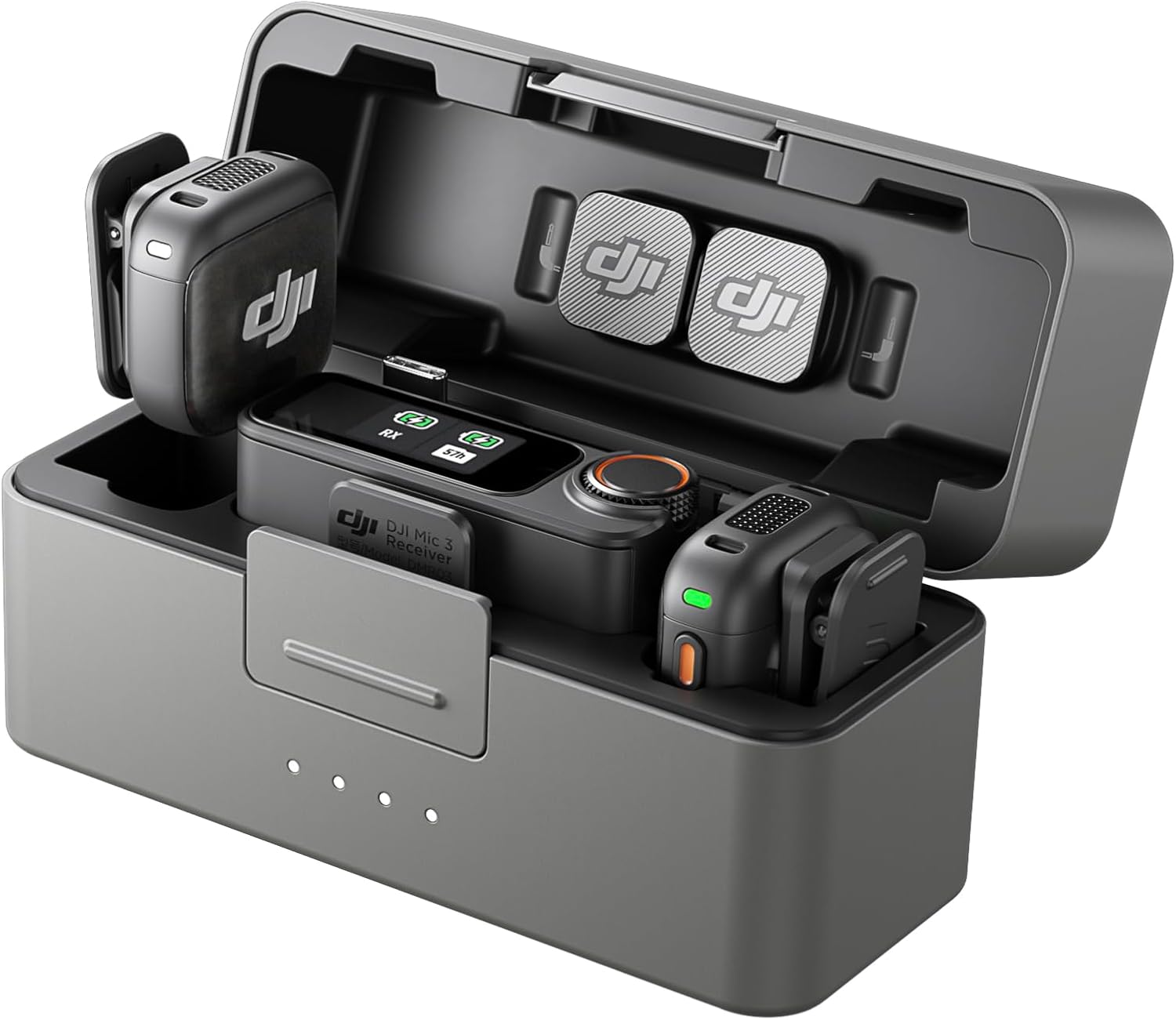
The DJI Mic 3 at $259 and NEEWER CM28 at $80 represent wireless systems. The DJI Lavalier at $43 represents the wired approach.
For stationary subjects (interviews, presentations), wired lavs work well and cost less. For moving subjects (walking tours, demonstrations), wireless freedom justifies premium pricing.
Wireless System Components
Wireless lavalier systems include:
Transmitter (TX): Small unit attached to subject, receives audio from lavalier mic, transmits wirelessly
Receiver (RX): Unit connected to camera or recorder, receives wireless signal, outputs audio
Lavalier microphone: The actual small mic clipping to clothing
Some systems integrate transmitter and microphone into single units; others use separate components. The DJI Mic 3's included transmitters function as both recorder and transmitter.
Digital vs Analog Transmission
Wireless lavalier systems use either digital or analog transmission:
Digital advantages:
- Generally cleaner audio
- Less susceptible to interference
- Often includes compression/limiting
- May function as standalone recorders
Analog advantages:
- Lower latency (imperceptible vs. potentially noticeable)
- Simpler technology (fewer failure modes)
- Sometimes lower cost
Modern professional wireless systems increasingly use digital transmission. For video work where slight latency doesn't matter (synced in post-production), digital provides superior reliability.
Range and Reliability
Wireless range claims require skepticism—stated ranges assume optimal conditions (line of sight, no interference). Real-world performance:
- Indoor range often 30-60% of stated specs
- Walls, metal objects, and interference sources reduce range
- Crowd environments (WiFi, phones) create interference
Quality wireless systems maintain connection despite interference. Budget systems may drop out or produce noise in challenging environments.
For content creation, prioritize reliability over maximum range. A system that works perfectly at 30 feet beats one that theoretically reaches 100 feet but drops out unpredictably.
Audio Quality Considerations
Lavalier microphone audio quality depends on:
Capsule quality: The actual microphone element determines sound character. Quality capsules produce clean, natural voice reproduction.
Polar pattern: Most lavs are omnidirectional (capture sound from all directions). This simplifies positioning but captures more ambient noise. Some are cardioid (directional), rejecting more ambient sound but requiring precise positioning.
Wireless transmission quality: Compression, noise floor, and transmission fidelity affect final audio. Quality systems maintain audio integrity; budget systems may introduce artifacts.
For voice recording, clarity and natural speech reproduction matter most. Expensive lavs sound more natural and detailed; budget lavs may sound thin or harsh.
Smartphone Compatibility
Many content creators connect lavaliers directly to smartphones for video recording. Compatibility considerations:
- Lightning vs USB-C vs 3.5mm connections
- Adapter requirements for phones lacking headphone jacks
- App compatibility for audio monitoring and levels
The DJI systems emphasize smartphone and camera compatibility with included adapters and cables.
Mounting and Concealment
Lavalier effectiveness depends on proper mounting:
Visible mounting: Clip to collar, lapel, or shirt front. Simple but microphone is visible on camera.
Concealed mounting: Hide under clothing with careful routing. Cleaner appearance but potential for fabric rustle and muffled audio.
Professional solutions include:
- Specialized mounting clips reducing fabric noise
- Tape solutions for secure concealed mounting
- Wind screens for outdoor use
Backup Recording
Professional wireless systems increasingly include onboard recording—audio recorded directly to transmitter as backup alongside wireless transmission:
- Eliminates wireless dropout concerns
- Provides highest quality audio (no transmission compression)
- Requires post-production syncing
The DJI Mic 3 and similar professional systems include this feature. For critical recording, backup recording provides insurance against wireless issues.
Multi-Microphone Setups
Interview and multi-person content requires multiple lavaliers:
- Two-person interviews need two lavs and often two transmitters
- Receiver must support multiple channels
- Audio must be recorded separately or mixed appropriately
The DJI Mic 3 "2 TX + 1 RX" configuration addresses two-person recording specifically.
Practical Recommendations
For YouTube creators and vloggers: Mid-range wireless systems ($100-150) provide good audio quality and convenience for typical content creation.
For professional video production: Premium wireless systems ($250+) with backup recording and reliable transmission suit professional requirements.
For stationary interviews: Quality wired lavaliers ($40-60) connected directly to cameras provide excellent audio at lower cost.
For smartphone content creation: Systems with smartphone-specific connections and compact form factors suit mobile workflows.
For budget creators: Start with wired lavaliers to learn proper technique before investing in wireless complexity.
The key insight: audio quality matters as much as video quality for content engagement. Investing appropriately in lavalier systems elevates overall production value.
Frequently Asked Questions
라발리에 마이크를 구입할 때 무엇을 확인해야 합니까?
주요 요소에는 빌드 품질, 사용자 리뷰 및 가격 대비 가치가 있습니다. Neewer Neewer CM28 Pro Wireless Lavalier Lapel 마이크(2,295개 리뷰에서 4.6★)와 같은 최고 등급의 옵션은 이 범주에서 어떤 품질이 보이는지 보여줍니다.
라발리에 마이크의 가격은 일반적으로 얼마입니까?
가격은 $10에서 $259 사이이며 대부분의 품질 옵션은 $56입니다. $15 미만의 예산 옵션은 가끔 사용하는 데 사용되며 $84 이상의 프리미엄 모델은 더 나은 내구성과 기능을 제공합니다.
현재 가장 인기 있는 라발리에 마이크는 무엇입니까?
2,295개의 검증된 리뷰에서 현재 4.6%로 CM28 Pro 무선 라발리에 라펠 마이크 시스템 WI가 최고 등급입니다. 모든 상위 선택에 대한 /best/lavalier-마이크로폰에서 전체 비교를 확인하십시오.