 PickPundit
🤖 How to Choose the Best Robot Vacuums: Complete Buying Guide

Complete robot vacuums buying guide. Learn what features matter, compare top products, and find the best robot vacuums for your budget.
View Top Picks →Table of Contents
Robot Vacuums: Automation Reality vs Marketing Promises
Robot vacuums promise hands-free floor cleaning, and modern models increasingly deliver—but understanding what they actually automate helps set realistic expectations. The gap between marketing videos and real-world performance in actual homes narrows with each generation, but limitations remain.
Vacuum vs Mop Combos
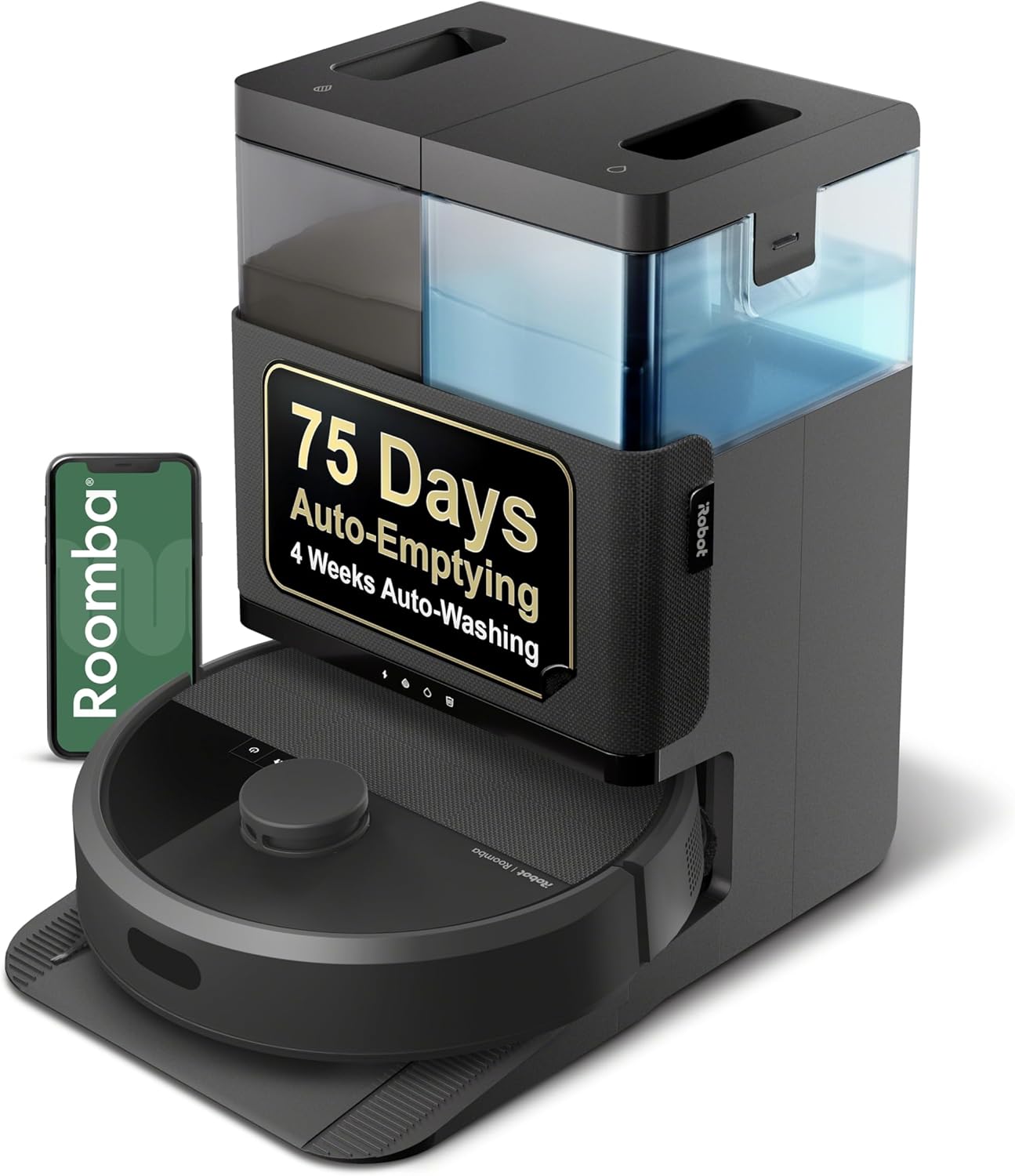
The iRobot Roomba Combo models represent the current trend:
Vacuum-only robots: Focus on one job, often do it better. Simpler maintenance.
Vacuum-mop combos: Two functions, more convenience, more compromise. Mopping pads need cleaning/replacement.
Mopping effectiveness: Robot mopping is light cleaning—dried spills and stubborn stains need human intervention. Good for maintenance, not deep cleaning.
Separate vs combined: Two specialized robots often outperform one combo, but cost and storage considerations matter.
Navigation Technology
How robots find their way:
Random bounce (basic models): Bounce off obstacles, eventually cover floor. Slow, inefficient, misses spots.
Camera/VSLAM navigation: Visual mapping creates floor plans. More systematic cleaning patterns.
LiDAR navigation: Laser mapping, typically most accurate. Works in dark rooms unlike cameras.
Mapping capabilities: Smart robots remember layouts, set room boundaries, and clean specific areas on command.
iRobot's models use various navigation—research specific model numbers for navigation type.
Suction Power Reality
Suction ratings mislead:
Pa ratings: Higher pascals indicate stronger suction, but real-world pickup depends on brush design, airflow, and floor type.
Bare floor vs carpet: Strong suction matters most for carpet. Bare floors need less power, more brush contact.
Battery tradeoff: Maximum suction drains batteries faster. Many robots offer multiple power modes.
Self-Emptying Bases
A genuine convenience evolution:
How it works: Robot returns to base, base vacuums dustbin into larger bag/container.
Bin capacity: Bases hold weeks to months of debris depending on home size and pet hair.
Noise: Base vacuuming is louder than robot operation—typically runs for 10-30 seconds.
Cost: Self-emptying models cost significantly more. Worth it for set-and-forget operation.
Pet Hair Considerations
Pet owners face specific challenges:
Brush type: Rubber extractors (like iRobot) resist hair tangles better than bristle brushes.
Frequent emptying: Pet homes fill bins faster. Self-emptying bases shine here.
Allergen filtration: HEPA filtration captures pet dander. Important for allergy sufferers.
Furniture clearance: Low-profile robots reach under furniture where pet hair accumulates.
Multi-Level Homes
Stairs create robot vacuum challenges:
No stair cleaning: Robots don't climb stairs. Each level needs separate robot or manual carrying.
Cliff sensors: Prevent tumbles down stairs—essential safety feature.
Map storage: Premium robots store multiple floor maps, recognize which level they're on.
Scheduling and Smart Features
Automation depth varies:
Basic scheduling: Clean at set times. Most robots offer this.
Room-specific cleaning: Clean just the kitchen after dinner. Requires mapping capability.
Voice assistant integration: "Alexa, vacuum the living room." Convenient for smart home users.
Dirty area detection: Some robots identify dirtier zones and clean more thoroughly.
Obstacle Avoidance
What robots handle (and don't):
Cliff detection: Standard—robots avoid stairs and ledges.
Object avoidance: Premium robots detect and navigate around cables, shoes, pet waste.
Furniture protection: Bumper sensors slow before contact on better models.
Problem areas: Shag carpets, black rugs (confuse cliff sensors), loose cables remain challenging.
Maintenance Requirements
Robots need regular care:
Dustbin emptying: Daily to weekly depending on home and pets.
Filter cleaning: Monthly cleaning, replacement every few months.
Brush cleaning: Hair wraps around brushes, needs cutting off periodically.
Sensor cleaning: Dirty sensors impair navigation and cliff detection.
Battery replacement: 2-4 year lifespan before capacity degrades significantly.
Price vs Performance
Robot vacuum pricing tiers:
Budget ($150-300): Basic navigation, adequate suction, manual emptying. Entry-level automation.
Mid-range ($300-600): Mapping, app control, decent navigation. Good value for most homes.
Premium ($600-1000+): Self-emptying, advanced navigation, obstacle avoidance. Maximum convenience.
Realistic Expectations
What robot vacuums actually deliver:
Daily maintenance: Excellent. Keeping floors acceptably clean between deep cleans.
Deep cleaning replacement: No. Periodic traditional vacuuming still needed for thorough cleaning.
Corner performance: Robots miss corners and edges. Some offer side brushes to help, but imperfect.
Under furniture: Excellent. Robots clean areas humans rarely reach.
Practical Recommendations
For pet owners: Self-emptying base with rubber extractors. HEPA filtration for allergies.
For small apartments: Budget robots suffice. Simple spaces don't need advanced navigation.
For multi-room homes: Mapping robots with room-specific cleaning. LiDAR navigation for efficiency.
For smart home integration: Verify compatibility with existing ecosystem before purchase.
The key insight: robot vacuums excel at maintenance cleaning—running daily to prevent buildup. They complement rather than replace traditional vacuums for deep cleaning.
Frequently Asked Questions
What should I look for when buying robot vacuums?
Key factors include build quality, user reviews, and value for money. Top-rated options like the iRobot iRobot Roomba Plus 405 (G185) Combo Robot Vacuum & (3.8★ from 1,453 reviews) demonstrate what quality looks like in this category.
How much do robot vacuums typically cost?
Prices range from $21 to $1000, with most quality options around $315. Budget options under $32 work for occasional use, while premium models over $473 offer better durability and features.
Which robot vacuums are most popular right now?
The iRobot Roomba Plus 405 (G185) Combo Robot Vacuum & Mop with is currently top-rated with 3.8★ from 1,453 verified reviews. Check our full comparison at /best/robot-vacuums for all top picks.
⚖️ Quick Comparison
| Product | Price | Rating | Key Feature |
|---|---|---|---|
| $399.00 | STRONG SUCTION SERIOUS MOPPING. Devours messes from crumbs to pawprints with 70x... | ||
| $269.00 | UP TO 75 DAYS HANDS-FREE CLEANING. Dirt and dust stay gone because it empties in... | ||
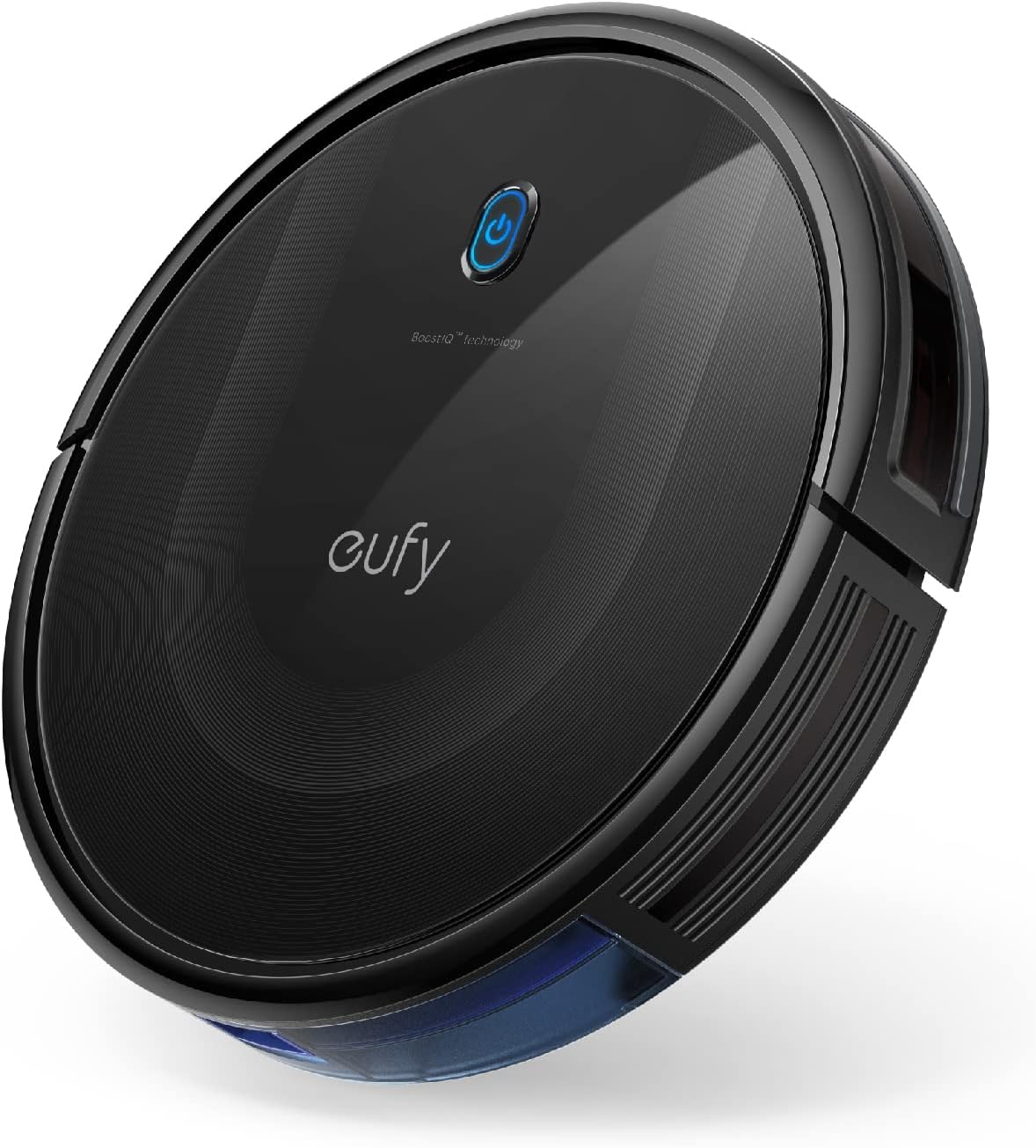
| $149.99 | 1. Compact and Quiet Operation With a slim 2.85" profile, the eufy robot vacuum ... |