 PickPundit
📦 How to Choose the Best Battery Chargers: Complete Buying Guide

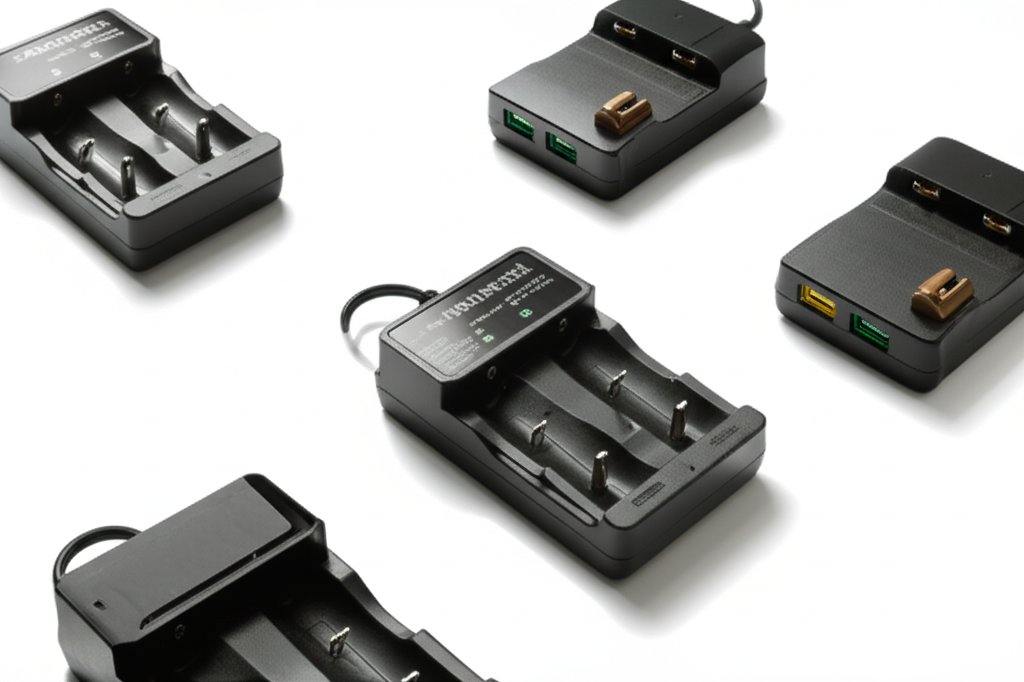
Complete battery chargers buying guide. Learn what features matter, compare top products, and find the best battery chargers for your budget.
View Top Picks →Table of Contents
Battery Chargers: Why Smart Charging Technology Actually Matters
The battery charger market divides into two fundamentally different approaches: simple chargers that push current into batteries until disconnected, and smart chargers that monitor battery state and adjust charging accordingly. The $30-50 price difference between approaches isn't marketing—it reflects genuine technology differences affecting battery longevity.
Understanding Battery Damage From Dumb Charging
Traditional chargers operate simply: they supply voltage and current until manually disconnected. This approach works but creates risks. Overcharging—continuing to push current into a fully charged battery—generates heat and accelerates chemical degradation inside the battery. A $50 battery overcharged repeatedly may fail in 2 years rather than lasting its potential 5-7 years.
Smart chargers monitor voltage throughout the charging process, reducing current as batteries approach full charge and switching to "float" mode that maintains charge without overcharging. The NOCO GENIUS series exemplifies this approach, with microprocessor control adjusting output based on battery feedback.
For vehicles driven daily, the charger type matters less—batteries receive regular charge/discharge cycles that prevent deep discharge damage. For seasonal vehicles (motorcycles, boats, classic cars), smart chargers with maintenance modes preserve battery health during storage months.
The Amperage Question: Faster Isn't Always Better
Battery chargers range from 1-amp trickle chargers to 20+ amp rapid chargers. Higher amperage means faster charging, but also generates more heat and stress on battery chemistry.
The 1-amp NOCO GENIUS1 at $30 fully charges a typical car battery in 24-36 hours. The 10-amp GENIUS10 at $100 completes the same charge in 3-5 hours. For emergency situations where you need a vehicle running quickly, higher amperage matters. For overnight charging or battery maintenance, lower amperage causes less stress.
Practical guidance: most home users don't need chargers above 10 amps. The time difference between 10-amp and 20-amp charging rarely matters when you're plugging in overnight. Higher amperage units cost more, generate more heat, and provide benefits only in genuine time-emergency situations.
6V vs 12V: The Voltage Compatibility Issue
Modern automotive batteries operate at 12 volts, but older vehicles (pre-1950s classics), some motorcycles, and most lawn equipment use 6-volt systems. Chargers specified as "6V/12V" switch between voltages, enabling use across different battery types.
If you're only charging modern car batteries, 12V-only chargers work fine and often cost slightly less. If you have a classic car, vintage motorcycle, or lawn equipment with 6V batteries, the dual-voltage capability becomes essential rather than optional.
LiFePO4 Compatibility: The Lithium Question
Lithium iron phosphate (LiFePO4) batteries are entering automotive and RV applications, offering weight savings and longer cycle life than traditional lead-acid batteries. However, they require different charging profiles.
Standard lead-acid chargers can damage lithium batteries. The YONHAN 20A charger at $49 offers both lead-acid and LiFePO4 modes, automatically selecting appropriate charging curves. If you're considering lithium battery upgrades for weight-sensitive applications (racing, RVs, boats), ensure your charger supports the chemistry before investing in expensive lithium batteries.
For most passenger vehicles, lithium starter batteries remain uncommon and expensive, making LiFePO4 compatibility a future-proofing feature rather than current necessity.
Engine Start (Jump Start) Capability
Some battery chargers include "engine start" or "jump start" modes providing high-amperage bursts for starting vehicles with dead batteries. The Schumacher wheeled charger at $195 provides 250-amp jump start capability, eliminating need for separate jump starter devices.
This functionality adds cost and size. Portable lithium jump starters costing $60-100 provide the same capability in pocket-sized packages. The integrated charger/jump starter makes sense for garage workshops where portability isn't needed. For most consumers, separate devices—a home charger and a portable jump starter kept in the vehicle—offer better flexibility.
The Maintenance Charger Approach
For vehicles sitting extended periods, the "battery maintainer" function matters more than raw charging capability. These devices—often called "trickle chargers" or "float chargers"—keep batteries at optimal charge during storage without overcharging damage.
The concept works simply: the charger monitors battery voltage continuously, applying small charging current when voltage drops and stopping when optimal voltage restores. Batteries connected to maintainers through winter storage emerge in spring with full charge and undamaged chemistry.
Budget maintainers at $15-20 accomplish this for single batteries. The multi-bank chargers at $50-100 maintain multiple batteries simultaneously—useful for households with multiple seasonal vehicles.
Brand Premium Analysis
NOCO dominates the premium charger segment, with prices 50-100% higher than comparable-specification alternatives. The premium reflects genuine quality differences: better build materials, more precise charging algorithms, better warranty support.
Whether the premium justifies itself depends on use intensity. For a charger used monthly on a single vehicle, budget alternatives perform adequately. For commercial use, multiple vehicles, or situations where battery failure creates significant inconvenience, the NOCO reliability premium may prevent costly failures.
The 2-pack budget chargers at $38 for two units make economic sense for households with multiple vehicles needing occasional charging. At $19 per charger, replacement costs if one fails remain trivial compared to premium alternatives.
Practical Buying Guidance
For most households: A 5-10 amp smart charger with float maintenance capability covers all typical needs. Expect to spend $40-80 for quality units. The NOCO GENIUS5 at $50-70 represents the sweet spot—capable enough for reasonable charging speed, smart enough to prevent damage, reputable enough to expect years of service.
For enthusiasts with multiple vehicles: Consider a quality 10-amp unit for primary charging and a basic maintainer for each vehicle's long-term storage.
For professional/commercial use: The Schumacher wheeled units and similar heavy-duty chargers justify their $150-200 pricing through daily durability requirements that exceed consumer-grade equipment.
Frequently Asked Questions
What should I look for when buying battery chargers?
Key factors include build quality, user reviews, and value for money. Top-rated options like the NEXPEAK 2-Pack Smart Fully Automatic 6V 12V Battery Charge (4.5★ from 2,170 reviews) demonstrate what quality looks like in this category.
How much do battery chargers typically cost?
Prices range from $14 to $195, with most quality options around $62. Budget options under $21 work for occasional use, while premium models over $93 offer better durability and features.
Which battery chargers are most popular right now?
The 2-Pack Smart Fully Automatic 6V 12V Battery Charger Maintain is currently top-rated with 4.5★ from 2,170 verified reviews. Check our full comparison at /best/battery-chargers for all top picks.


