 PickPundit
📦 Hoe de beste autohoezen te kiezen: complete koopgids

Complete car covers buying guide. Learn what features matter, compare top products, and find the best car covers for your budget.
View Top Picks →Table of Contents
Car Covers: The Outdoor Protection Reality
Car covers promise to protect vehicles from weather, debris, and environmental damage. The reality involves trade-offs between protection levels, convenience, and potential problems that covers themselves can cause. Understanding cover materials, fit considerations, and appropriate use cases prevents both wasted purchases and preventable vehicle damage.
Indoor vs Outdoor Covers
The primary distinction determines everything else:
Indoor covers protect against dust, minor bumps, and curious fingers. They're lightweight, often breathable cotton or satin, and completely inadequate for outdoor use. Rain, UV, and temperature extremes quickly destroy indoor covers used outside.
Outdoor covers use waterproof or water-resistant materials with UV protection. They're heavier, more durable, and designed to withstand weather exposure. Using indoor covers outdoors wastes money; using outdoor covers indoors works but typically costs more than necessary.
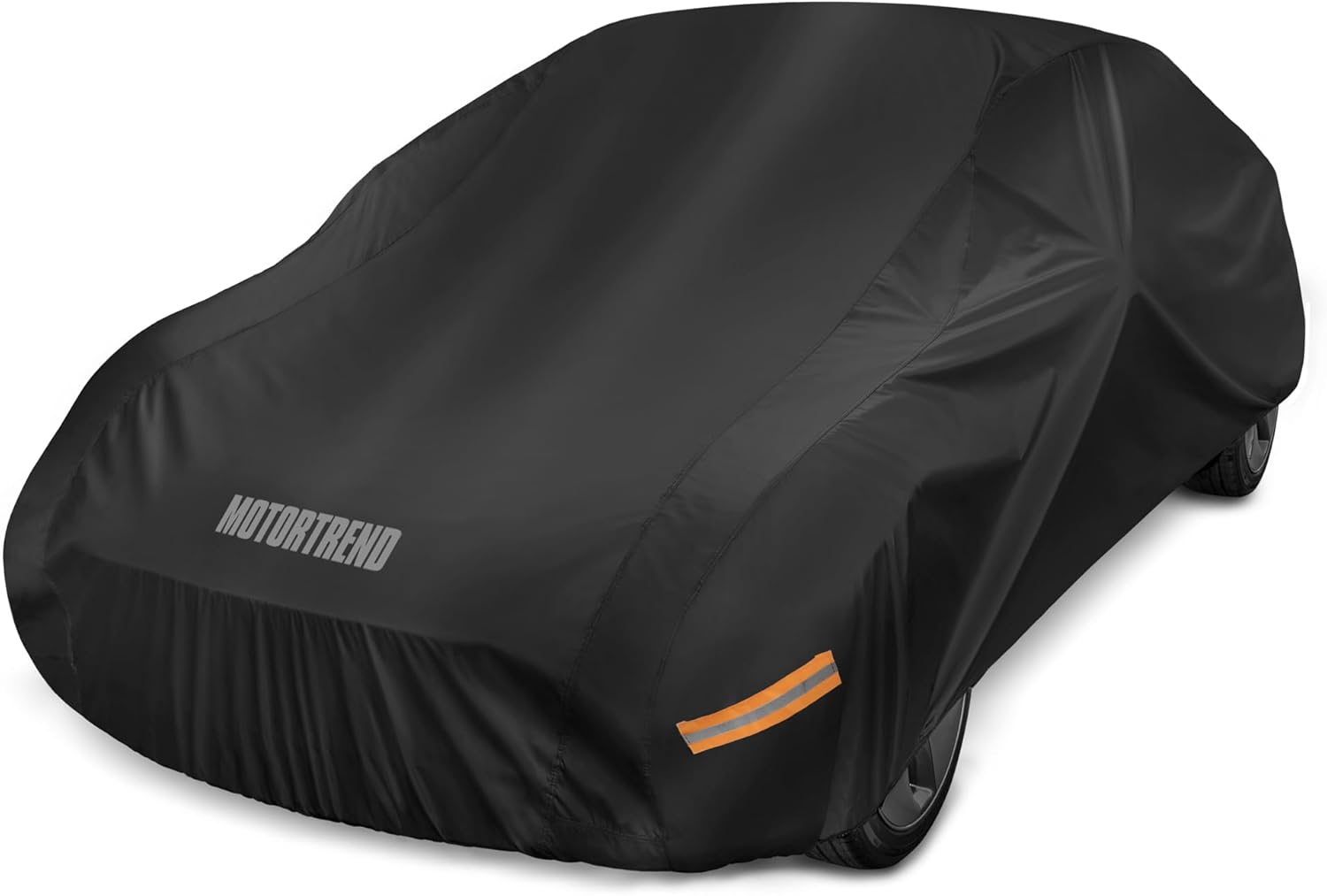
The listed options (Avecrew, Motor Trend, EzyShade) all target outdoor use with waterproof claims and multi-layer construction.
Layer Construction
Outdoor car covers use layered construction for different protective properties:
Single-layer covers (cheapest) provide basic protection but limited durability. Water resistance fails faster, UV protection degrades quickly.
Multi-layer covers (3-10 layers) build protection through specialized layers:
- Outer layers for UV and weather resistance
- Middle layers for water resistance
- Inner layers for soft, paint-safe contact
The EzyShade "10-layer" marketing emphasizes maximum layering, while typical quality covers use 3-5 functional layers. More layers generally indicates better protection, though marketing can inflate layer counts with minimal functional layers.
Material Properties
Common cover materials include:
Polyester offers UV resistance and durability at reasonable cost. Most outdoor covers use polyester as their primary material. It's reasonably waterproof but can trap moisture without proper breathability.
Polypropylene provides excellent waterproofing but poor breathability. Good for short-term protection, problematic for long-term use where trapped moisture causes issues.
Cotton/poly blends (including flannel liners) provide soft paint contact and some breathability. The cotton components absorb moisture, requiring more drying time.
Solution-dyed fabrics maintain color longer than surface-dyed alternatives, relevant for covers left in sun for extended periods.
The Moisture Problem
Car covers can trap moisture against paint, potentially causing more damage than protection:
Condensation forms when temperature differentials exist between covered and uncovered surfaces. Morning dew condensing under covers keeps paint wet for extended periods.
Wet covers applied after rain or washing trap water against paint. Always apply covers to dry vehicles.
Breathable construction allows moisture escape, reducing but not eliminating trapped moisture risks. Truly waterproof covers are also less breathable by definition.
Solution: Remove covers regularly, especially after precipitation. Covers work best for clean, dry vehicles with regular removal and inspection.
Fit Considerations
Poor-fitting covers create problems:
Too loose: Covers flap in wind, creating friction against paint. Loose covers also blow off entirely in strong winds.
Too tight: Stretched covers stress seams and fail prematurely. Overly tight fit makes application difficult.
Universal vs custom fit: Universal covers (like most Amazon options) fit ranges of vehicle sizes but never perfectly. Custom covers cost more but conform to specific vehicle contours.
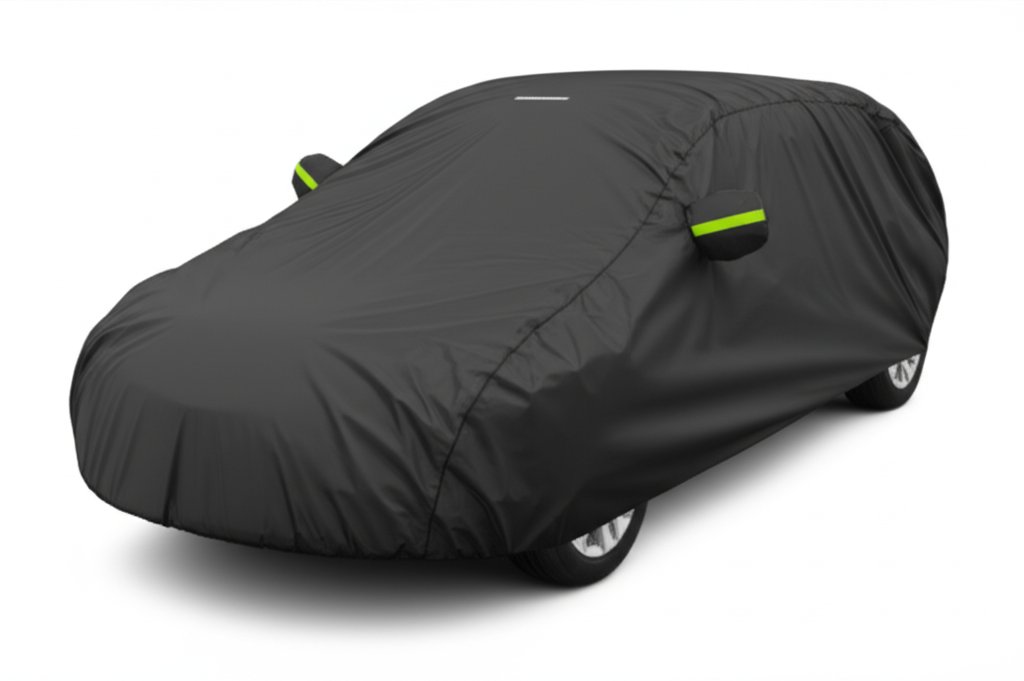
Mirror pockets and antenna accommodations: Features that allow covers to fit around vehicle protrusions. Without these accommodations, covers either don't fully cover or stress at contact points.
Measure your vehicle and compare to cover size charts. "Fits sedans up to 190 inches" covers wide ranges—your 175-inch sedan will have considerable extra material flapping around.
Securing Mechanisms
Covers use various methods to stay in place:
Elastic hems cinch around vehicle bottom edges. Quality varies—cheap elastic stretches out quickly, premium elastic maintains tension.
Tie-down straps connect under vehicles for wind resistance. Most effective securing method but requires threading straps under the vehicle.
Buckle systems connect straps for adjustability. Convenient when functional, frustrating when buckles break.
Antenna patches with grommets allow antenna bases or tie-down points without cover removal.
Wind is the primary cover enemy. Any securing system should withstand expected wind conditions at your parking location.
UV Protection Claims
UV resistance varies in covers:
UV-reflective coatings initially block UV effectively but degrade over time. Reapplication isn't possible—degraded UV protection means degraded covers.
Inherent UV resistance (in the material itself) lasts longer than surface treatments but still degrades with exposure.
Practical expectation: Outdoor covers protecting vehicles from UV are themselves being degraded by UV. Expect 2-5 years of effective UV protection from quality covers, less from budget options.
Weather Extremes
Different weather conditions stress covers differently:
Sun/heat: UV degradation, material brittleness over time, potential heat transfer to paint.
Rain: Water resistance is primary job; pooling on cover surfaces can stress fabric or transfer weight to vehicle.
Snow/ice: Heavy snow loads stress cover fabric and securing mechanisms. Ice formation can bond covers to paint.
Hail: Covers provide minimal hail protection—serious hail damages vehicles regardless of cover presence.
Wind: Already discussed—covers become kites in high winds.
No cover handles all conditions indefinitely. Covers extend vehicle life and appearance in moderate conditions; they don't create impervious protection.
Application and Removal Convenience
Cover practicality depends on how often you drive:
Daily drivers: Cover application/removal twice daily becomes tedious quickly. Most daily driver owners abandon covers within weeks.
Weekend vehicles: Covering between uses makes more sense. Weekly application/removal is manageable.
Long-term storage: Covers genuinely protect stored vehicles. Monthly inspection and removal for drying is recommended.
Be realistic about your likely usage patterns before purchasing.
Practical Recommendations
For daily drivers: Consider covered parking or carports instead of covers. The convenience difference is significant.
For weekend/occasional vehicles: Quality universal covers ($50-90) from Motor Trend, EzyShade, or similar brands provide reasonable protection with manageable application burden.
For long-term storage: Custom-fit covers justify their premium pricing for stored vehicles. Indoor storage with indoor covers beats outdoor storage with outdoor covers.
For specific vehicle fits: Check manufacturer dimensions against your vehicle measurements. "Fits full-size sedans" is not precision guidance.
The honest assessment: car covers provide real but limited protection at the cost of significant inconvenience. They work best for occasional-use vehicles in moderate climates with owners committed to proper application and removal routines.
Frequently Asked Questions
Waar moet ik op letten bij het kopen van autohoezen?
Belangrijke factoren zijn onder meer bouwkwaliteit, gebruikersrecensies en waar voor uw geld. Top-rated opties zoals de Avecrew Avecrew Car Cover Waterdicht All Weather voor Autom (4.2★ van 5.310 beoordelingen) laten zien hoe kwaliteit eruitziet in deze categorie.
Hoeveel kosten autohoezen doorgaans?
Prijzen variëren van $ 25 tot $ 86, met de meeste kwaliteitsopties rond de $ 57. Budgetopties onder de $ 37 werken voor incidenteel gebruik, terwijl premiummodellen van meer dan $ 86 betere duurzaamheid en functies bieden.
Welke autohoezen zijn momenteel het populairst?
De Avecrew Car Cover Waterdicht All Weather for Automobiles is momenteel best beoordeeld met 4.2 van 5.310 geverifieerde beoordelingen. Bekijk onze volledige vergelijking op /best/car-covers voor alle topkeuzes.