 PickPundit
🧴 Hoe de beste conditioners te kiezen: complete koopgids

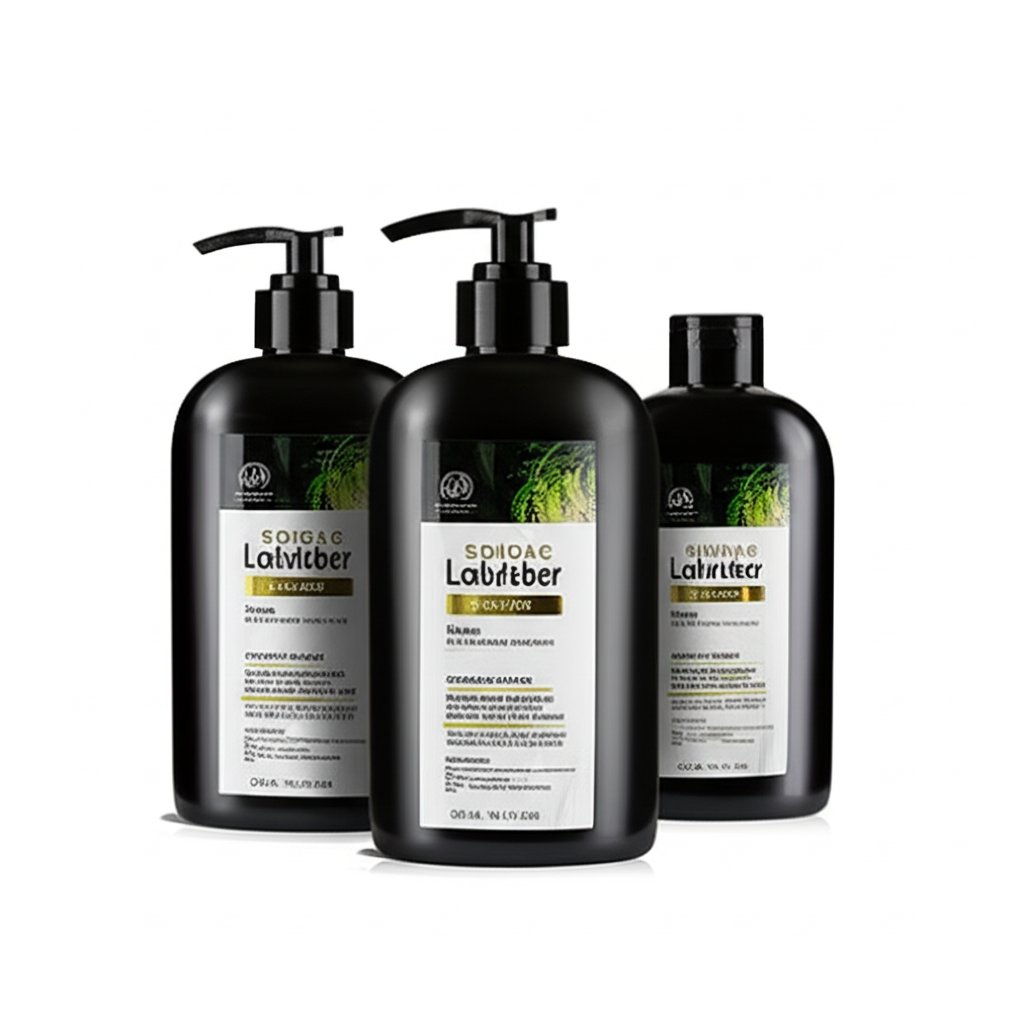
Complete conditioners buying guide. Learn what features matter, compare top products, and find the best conditioners for your budget.
View Top Picks →Table of Contents
Hair Conditioners: Decoding the Hydration vs Repair Marketing Divide
Hair conditioner marketing splits into hydration promises and repair claims, implying these are distinct functions requiring different products. The reality is simpler: all conditioners coat hair strands with moisturizing and smoothing agents. The differences lie in concentration, additional active ingredients, and whether the formula suits your specific hair damage pattern.
Understanding what conditioners actually do—and can't do—prevents both overspending on unnecessary premium products and underspending on formulas too weak for damaged hair needs.
The Basic Conditioner Mechanism
Conditioners work through two primary mechanisms: cationic surfactants that bind to damaged (negatively charged) portions of hair strands, and emollients that coat strands to reduce friction and moisture loss.
Damaged hair has more negative charge sites (from cuticle lifting and protein loss), explaining why damaged hair "absorbs" conditioner more noticeably—more binding sites exist. Healthy hair with intact cuticles has fewer binding opportunities, which is why over-conditioning healthy hair creates limpness rather than improvement.
This mechanism means conditioner ingredients matter less than matching conditioner intensity to hair damage level. A basic $6 conditioner on moderately damaged hair may outperform a $30 premium conditioner on healthy hair that doesn't need intensive treatment.
Drugstore Value Champions
The L'Oreal Elvive Hyaluron Plump at $5.57 and Herbal Essences at $8 represent the drugstore tier that serves most hair types adequately. These formulas contain the same fundamental ingredients as premium alternatives—cetyl alcohol, behentrimonium chloride, dimethicone—in concentrations appropriate for average damage levels.
The "hyaluronic acid" marketing in the L'Oreal formula deserves scrutiny. Hyaluronic acid provides genuine hydration benefits for skin, where it penetrates and attracts water. On hair, larger hyaluronic acid molecules sit on the surface rather than penetrating, providing some humectant benefit but not the dramatic effects skin-care hyaluronic acid delivers. It's not fraudulent—the ingredient does something—but the implied efficacy transfer from skincare doesn't fully apply.
For most users with color-treated or mildly damaged hair, drugstore conditioners at $6-12 provide sufficient conditioning without premium pricing.
Salon Brand Positioning
Davines MOMO at $17 occupies the "affordable professional" segment—salon branding without salon pricing. The formula emphasizes hydration for dry, dehydrated hair through a different ingredient philosophy: plant-derived emollients rather than silicone dominance.
The silicone question divides hair care philosophy. Silicones (dimethicone, cyclomethicone, amodimethicone) provide immediate slip and shine but potentially build up over time, requiring clarifying shampoo removal. Some users report hair becoming progressively drier between clarifying washes as silicone buildup blocks moisture absorption.
Silicone-light or silicone-free formulas like many salon brands use water-soluble conditioning agents that don't build up but may provide less dramatic immediate results. Neither approach is universally superior—the best choice depends on whether your hair responds well to silicones or shows buildup symptoms.
Specialty Formulas: Swimmer's Hair
The TRISWIM conditioner at $19 targets chlorine and salt water exposure—specific damage patterns from pool and ocean swimming. Chlorine bonds to hair proteins, causing characteristic dry, brittle "swimmer's hair" and green tinting on light hair.
These specialty formulas include chelating agents that remove chlorine and mineral bonds plus intensive moisturizers addressing chlorine-induced dryness. For regular swimmers, the specialized formula provides genuine value over general conditioners that don't address chlorine bonding.
For occasional swimmers, clarifying shampoo before regular conditioning accomplishes similar results at lower cost. The specialty products justify their premium only for frequent exposure.
Understanding "Repair" Claims
Marketing claims of "repairing" damaged hair require skepticism. Hair is dead tissue—it cannot heal or regenerate. What "repair" products actually do: fill gaps in damaged cuticles with proteins or polymers, creating temporary smoothness and strength that washes out over subsequent shampoos.
This temporary filling has real benefits—hair looks and feels better, behaves better during styling, and suffers less additional damage when cuticles lay flat. But understanding the temporary nature prevents disappointment when "repaired" hair returns to damaged state without continued product use.
True repair happens only through cutting damaged portions and growing new hair from healthy follicles. Conditioners manage damage between cuts; they don't reverse it.
The Deep Conditioning Question
Deep conditioners and hair masks—left on for extended periods—provide more intensive versions of regular conditioning rather than fundamentally different treatment. The extended contact time allows greater penetration and binding of conditioning agents.
Weekly deep conditioning benefits significantly damaged hair (bleached, heat-styled frequently, chemically processed). For healthy or minimally processed hair, regular conditioner provides sufficient maintenance without the additional time investment and product cost of deep treatments.
The diminishing returns curve is steep: moving from no conditioner to basic conditioner produces dramatic improvement. Moving from basic conditioner to premium conditioner produces modest improvement. Moving from premium conditioner to weekly masks produces minimal additional improvement for already-healthy hair.
Protein vs Moisture Balance
Damaged hair needs both protein (to temporarily fill cuticle gaps and add strength) and moisture (to maintain flexibility and prevent brittleness). Most conditioners provide more moisture than protein, appropriate for most damage types.
However, severely protein-depleted hair (from aggressive bleaching or chemical processing) may need protein-focused treatments. Signs include hair that stretches excessively when wet and breaks during normal styling. Protein treatments temporarily restore strength, though again, the effect washes out over time.
Most users don't need to think about protein/moisture balance—standard conditioners provide appropriate ratios. The consideration matters mainly for heavily processed hair requiring targeted intervention.
Application Technique Matters
Conditioner effectiveness depends partly on technique. Key principles:
Apply to mid-lengths and ends, avoiding roots where natural scalp oils provide conditioning. Root application creates flatness and greasiness without benefit.
Allow contact time—2-5 minutes minimum for regular conditioners, longer for deep treatments. Immediate rinse after application limits binding opportunity.
Rinse thoroughly but not obsessively. Some residual conditioner provides styling benefits; excessive residue creates weight and buildup.
Cold water final rinse (briefly tolerable temperature) helps seal cuticles, increasing shine and smoothness. This traditional advice has genuine physics behind it—cold contracts the cuticle layer.
Practical Recommendations
For healthy, unprocessed hair: Drugstore conditioners at $5-8 provide adequate maintenance. Premium products offer minimal benefit when hair isn't damaged enough to need them.
For color-treated or heat-styled hair: Mid-range products ($10-20) with color protection or heat protection claims offer appropriate intensity. Weekly deep conditioning adds benefit.
For heavily processed or chemically damaged hair: Salon brands and professional treatments justify their premium through higher active ingredient concentrations that significantly damaged hair can utilize.
For swimmers: Specialty chlorine-removing conditioners provide genuine value for frequent pool use. Occasional swimmers can manage with clarifying shampoo and standard conditioning.
The key insight: match product intensity to hair damage level rather than defaulting to either cheapest or most expensive options.
Frequently Asked Questions
Waar moet ik op letten bij het kopen van conditioners?
Belangrijke factoren zijn onder meer bouwkwaliteit, gebruikersrecensies en waar voor uw geld. Hoogst beoordeelde opties zoals de Davines Davines Momo Conditioner (4.4★ van 2.148 beoordelingen) laten zien hoe kwaliteit eruitziet in deze categorie.
Hoeveel kosten conditioners doorgaans?
Prijzen variëren van $ 4 tot $ 168, met de meeste kwaliteitsopties rond de $ 28. Budgetopties onder de $ 6 werken voor incidenteel gebruik, terwijl premiummodellen van meer dan $ 42 betere duurzaamheid en functies bieden.
Welke conditioners zijn momenteel het populairst?
De Davines Momo Conditioner is momenteel de best beoordeelde met 4,4 van 2.148 geverifieerde beoordelingen. Bekijk onze volledige vergelijking bij /best/conditioners voor alle topkeuzes.


