 PickPundit
📦 Hoe de beste epilators te kiezen: complete koopgids

Complete epilators buying guide. Learn what features matter, compare top products, and find the best epilators for your budget.
View Top Picks →Table of Contents
Epilators: The Pain-to-Smoothness Calculation Nobody Discusses Honestly
Epilator marketing emphasizes "weeks of smoothness" and "salon results at home" while glossing over the core reality: epilation hurts. Multiple small tweezers rapidly plucking hairs from follicles creates sensations ranging from uncomfortable to genuinely painful, depending on body area, hair type, and individual pain tolerance.
This isn't to discourage epilator purchase—many users find the temporary discomfort worthwhile for longer-lasting results. But honest consideration of the pain factor prevents purchases that end up abandoned in bathroom drawers after one use.
How Epilation Works (And Why It Hurts)
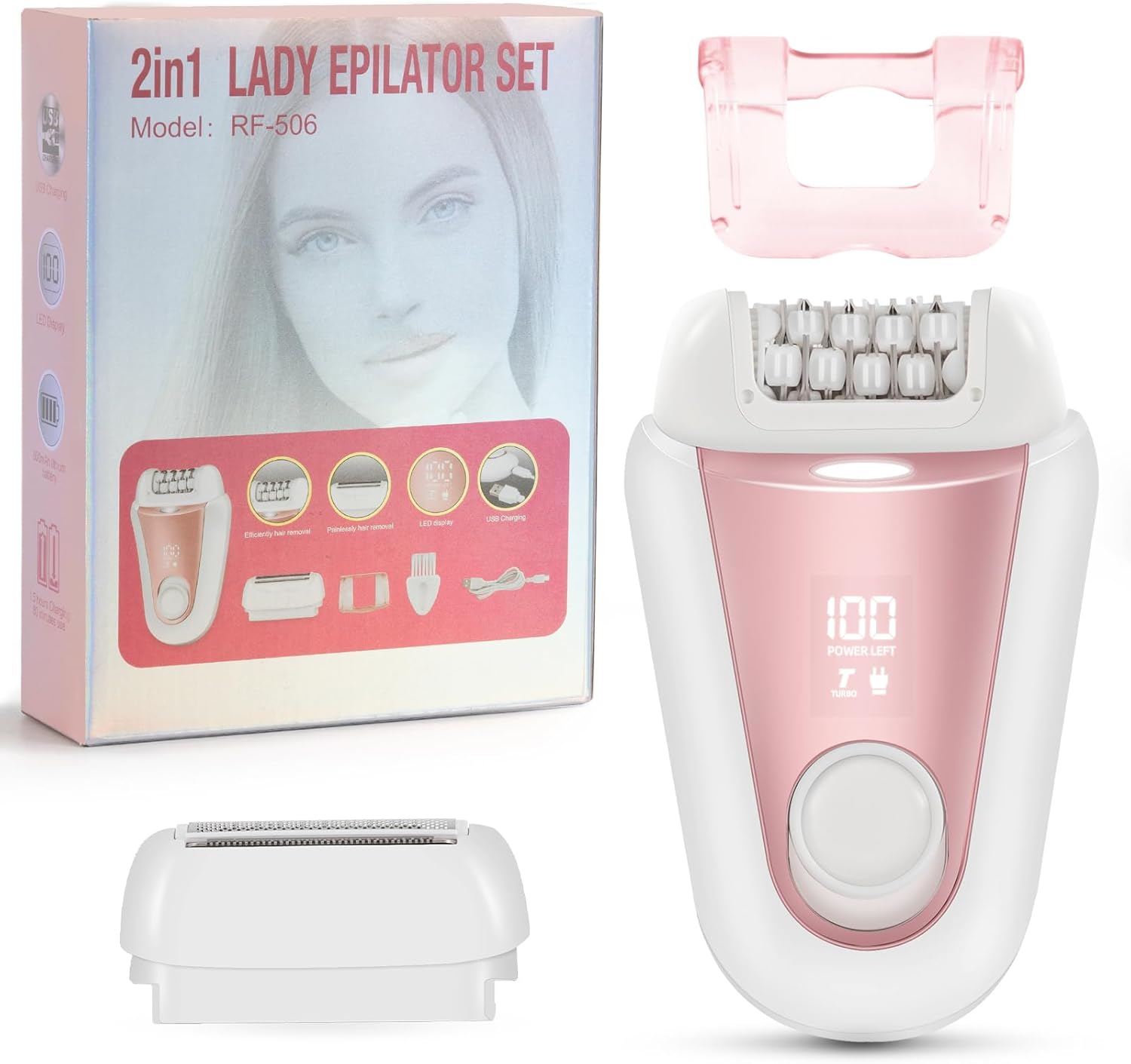
Epilators contain rotating heads with multiple tweezers (typically 20-40) that grasp and pull hairs as the device moves across skin. Unlike shaving, which cuts hair at the surface, epilation removes hair from the root, similar to waxing but without the mess and heat.
Root removal means hairs take 2-4 weeks to regrow visibly, versus 1-3 days for shaving. The regrown hair often appears finer and softer because it's a new hair tip rather than a blunt cut.
The pain comes from simultaneous multiple extractions. One tweezed hair is briefly painful; 20 tweezers working simultaneously create accumulated sensation that some find tolerable and others find unbearable. Pain typically decreases over time as regular epilation thins hair density and users develop technique.
First-Time User Reality
First-time epilation is the most painful epilation. Hair density is highest, technique is unpracticed, and skin isn't conditioned to the sensation. Many first-time users stop mid-session, overwhelmed.
Strategies for initial epilation:
- Start on lower legs where pain is typically least intense
- Epilate after warm shower when hair follicles are relaxed
- Use device at lowest speed initially
- Consider exfoliating day before to reduce ingrown hair risk
- Accept that completing full legs may take multiple sessions initially
The payoff for enduring initial sessions: subsequent epilation becomes progressively less painful as hair regrows more sparsely and technique improves.
Wet vs Dry Epilation
Some epilators (typically $35+) offer wet/dry capability—using the device in shower or bath. Warm water relaxes follicles and may reduce pain perception. The waterproof construction also enables easier cleaning.
Dry-only epilators require use on dry skin and can't be submerged for cleaning. They cost less but offer less flexibility and potentially more discomfort.
For users prioritizing pain management, wet/dry capability justifies premium pricing. The warm water genuinely helps, particularly during initial sessions when pain is highest.
Corded vs Cordless Considerations
Corded epilators (like the Philips Series 2000 at $35) provide consistent power without battery limitations but restrict movement and require outlet access.
Cordless epilators offer bathroom-anywhere convenience and often include wet/dry capability. Battery life typically provides 30-40 minutes per charge—adequate for full-body sessions but requiring advance planning.
For most users, cordless convenience outweighs the power consistency of corded models. The mobility enables optimal positioning and shower/bath use that corded devices can't match.
Tweezer Count and Speed Settings
Tweezer count (20-40 typically) affects epilation speed—more tweezers capture more hairs per pass, reducing treatment time. However, more simultaneous extractions also means more simultaneous pain. Budget epilators with 20 tweezers may require more passes but feel less intense per pass.
Speed settings (usually 2) enable customization. Lower speeds provide gentler epilation suitable for sensitive areas and beginners. Higher speeds complete sessions faster but intensify sensation.
The combination of tweezer count and speed creates significant intensity range. A 40-tweezer epilator on high speed creates dramatically different experience than a 20-tweezer device on low speed.
Facial Epilation Caution
Facial epilators and facial-capable body epilators target upper lip, chin, and brow hair. Facial skin is more sensitive than body skin, and pain perception is typically higher.
Facial epilation works but requires pain tolerance acknowledgment. Alternatives (threading, small electric trimmers) may suit those who find facial epilation unbearable while body epilation is manageable.
Budget facial epilators often have fewer tweezers (specific for precision) and smaller heads. These work adequately for small areas but shouldn't be expected to efficiently epilate body areas.
The Ingrown Hair Challenge
Epilation creates higher ingrown hair risk than shaving. Removed-from-root hairs must regrow through follicles that may become blocked or misdirected, causing ingrown hairs—particularly on legs and bikini area.
Prevention strategies:
- Exfoliate regularly (2-3 times weekly) to keep follicles clear
- Moisturize after epilation to maintain skin suppleness
- Avoid tight clothing immediately after epilation
- Some users find loofa or dry brushing before epilation reduces ingrowns
Individual ingrown hair susceptibility varies widely. Some users never experience them; others find ingrowns problematic enough to abandon epilation. A trial period reveals personal susceptibility.
Brand Analysis
Philips and Braun dominate the epilator market with decades of refinement. The Philips Series 2000 at $35 represents entry-level from an established manufacturer—reliable construction, adequate tweezer count, basic features without frills.
Budget options ($20-30) from less established brands offer similar core functionality—rotating tweezer heads that remove hair. Quality differences emerge in motor durability, tweezer precision (cheap tweezers may break or miss hairs), and construction longevity.
For users uncertain about epilation commitment, budget options provide low-risk experimentation. For committed epilators, established brands justify premiums through refined designs and longer lifespan.
The Hair Removal Method Comparison
Epilation occupies middle ground between shaving and professional treatments:
Shaving: Painless, inexpensive, fast—but regrowth in 1-3 days requires constant maintenance.
Epilation: Moderate pain, moderate cost, slower—but 2-4 week regrowth significantly reduces maintenance frequency.
Waxing: Similar results to epilation but requires appointments, higher ongoing cost, and can't be done immediately when hairs first appear.
Laser/IPL: Permanent reduction but expensive ($200-500 for home devices, $200-400 per professional session), requires multiple sessions, only works on certain hair/skin combinations.
Epilation makes most sense for those wanting longer-lasting results than shaving without professional treatment commitment. The pain factor serves as the primary filter—those who can't tolerate it migrate to alternatives.
Practical Recommendations
For first-time epilators: Budget options ($20-25) allow experimentation without major investment. Determine pain tolerance before committing to premium devices.
For confirmed epilators: Philips or Braun mid-range ($35-60) provide wet/dry capability, refined tweezer designs, and construction durability that budget options lack.
For sensitive areas: Consider epilators specifically designed for smaller areas with precision heads and gentler configurations.
For those prioritizing pain reduction: Wet/dry capability, ice pack use before epilation, and ibuprofen pre-treatment can all reduce discomfort for pain-sensitive users.
The fundamental advice: pain tolerance is the primary purchase consideration. All epilators remove hair effectively; the question is whether you can tolerate the process.
Frequently Asked Questions
Waar moet ik op letten bij het kopen van epilators?
Belangrijke factoren zijn onder meer bouwkwaliteit, gebruikersrecensies en waar voor uw geld. Hoogst beoordeelde opties zoals de BubbaCare-epilator (4.7 uit 44 beoordelingen) laten zien hoe kwaliteit eruitziet in deze categorie.
Hoeveel kosten epileermiddelen doorgaans?
Prijzen variëren van $ 16 tot $ 141, met de meeste kwaliteitsopties rond de $ 57. Budgetopties onder de $ 24 werken voor incidenteel gebruik, terwijl premiummodellen van meer dan $ 86 betere duurzaamheid en functies bieden.
Welke epilators zijn momenteel het populairst?
De epilator is momenteel de best beoordeelde met 4,7 van 44 geverifieerde beoordelingen. Bekijk onze volledige vergelijking bij /best/epilators voor alle topkeuzes.