 PickPundit
📦 Hoe u de beste hardloopschoenen kiest: complete koopgids

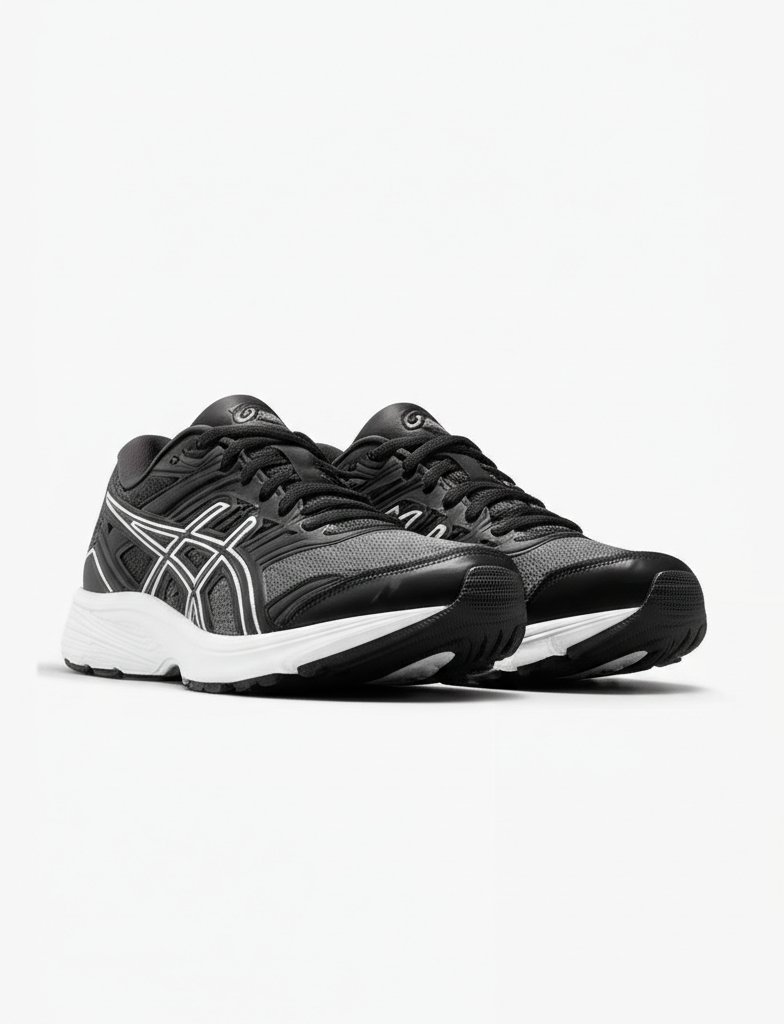
Complete running shoes buying guide. Learn what features matter, compare top products, and find the best running shoes for your budget.
View Top Picks →Table of Contents
Running Shoes: The "Replace Every 300-500 Miles" Marketing vs Actual Lifespan
Running shoe marketing and expert advice recommend replacing shoes every 300-500 miles for injury prevention. For runners averaging 20 miles weekly, this means new shoes every 4-6 months.
The replacement frequency skepticism: Are $120-150 shoes truly "worn out" after 6 months, or is this industry marketing to drive sales?
The honest answer: It depends. Cushioning does compress and responsiveness does decline over hundreds of miles. But many runners safely extend to 600-800 miles without injury. The replacement recommendation builds conservative safety margin.
The Neutral vs Stability vs Motion Control Gait Matching
Neutral shoes: For runners with normal pronation (foot rolls slightly inward when landing), provides cushioning without correction features.
Stability shoes: For overpronators (excessive inward roll), includes medial posting (firmer foam on inner edge) preventing excessive pronation.
Motion control shoes: For severe overpronation, maximum support features, typically heavier and firmer.
The gait analysis ideally happens at running specialty store with video analysis. Buying wrong support level causes: underpronation in stability shoes (shoe prevents natural pronation), overpronation in neutral shoes (no support for excessive roll).
For first running shoes without gait analysis, neutral shoes safest starting point - if you overpronate significantly, you'll notice discomfort prompting proper analysis.
The Cushioning vs Ground Feel Responsiveness
Maximum cushioning (Hoka, Brooks Glycerin): Soft, plush, absorbs impact excellently. Also: less ground feel, heavier, less responsive for speedwork.
Minimal cushioning (racing flats, minimalist): Direct ground connection, lightweight, responsive. Also: minimal impact protection, higher injury risk for untrained runners.
Moderate cushioning (most daily trainers): Balance impact protection and responsiveness.
The cushioning choice should match usage: Daily training miles (moderate-to-max cushioning for joint protection), speed workouts (minimal cushioning for ground feel), racing (minimal for performance accepting higher impact).
Beginners should prioritize cushioning over responsiveness - joint protection prevents injury during adaptation period when running form is still developing.
The Stack Height Drop vs Heel-Toe Differential
Stack height: Total shoe thickness (cushioning + midsole). Higher stack = more cushioning.
Drop: Height difference between heel and forefoot (typically 0-12mm).
High drop (10-12mm): Heel-striker friendly, traditional running shoe design.
Low drop (4-6mm): Mid-foot striker friendly, more natural but requires calf adaptation.
Zero drop (0mm): Forefoot striking, requires gradual transition to avoid injury.
The drop transition problem: Long-time high-drop runners switching to zero-drop risk Achilles tendon injury from sudden calf loading change. Gradual drop reduction (12mm → 8mm → 4mm → 0mm over months) prevents injury.
For first running shoes, 8-10mm drop provides versatile middle ground suiting various strike patterns.
Framework
Beginner running ($80-120): Neutral or slight stability, moderate cushioning, 8-10mm drop, accepting will need replacement in 400-500 miles as form develops.
Daily training miles ($110-150): Adequate cushioning for joint protection, support level matching gait analysis, proven model with history (avoid new unproven designs).
Injury recovery ($130-180): Maximum cushioning (Hoka, Brooks), stability if overpronation contributed to injury, accepting premium for injury prevention.
Speed work/racing ($100-160): Minimal cushioning, low drop, lightweight, accepting higher injury risk for performance benefit.
Budget adequate ($60-100): Previous-year models of quality brands discounted, accepting older color schemes for cost savings on proven designs.
The running shoe purchase should involve trying multiple models (running specialty stores offer treadmill testing) because individual fit varies enormously. The shoe that's perfect for one runner causes blisters for another despite identical foot size. The try-before-buy prevents the online purchase based on reviews that don't account for individual foot shape variations.
Frequently Asked Questions
Waar moet ik op letten bij het kopen van hardloopschoenen?
Belangrijke factoren zijn onder meer bouwkwaliteit, gebruikersrecensies en waar voor uw geld. Top-rated opties zoals de Socviis Mens Slip On Hardnow Hardloopschoenen Athletic Walking Traine (4.2 ★ van 4.315 beoordelingen) laten zien hoe kwaliteit eruitziet in deze categorie.
Hoeveel kosten hardloopschoenen doorgaans?
Prijzen variëren van $ 26 tot $ 149, met de meeste kwaliteitsopties rond de $ 64. Budgetopties onder de $ 39 werken voor incidenteel gebruik, terwijl premiummodellen van meer dan $ 96 betere duurzaamheid en functies bieden.
Welke hardloopschoenen zijn momenteel het populairst?
De heren slip on hardloopschoenen Athletic Walking Trainers Lightwe is momenteel de best beoordeelde met 4.2 van 4.315 geverifieerde beoordelingen. Bekijk onze volledige vergelijking op /best/running-shoes voor alle topkeuzes.


