 PickPundit
⌚ Hoe de beste smartwatches te kiezen: complete koopgids

Complete smartwatches buying guide. Learn what features matter, compare top products, and find the best smartwatches for your budget.
View Top Picks →Table of Contents
Smartwatches: The $400 Apple Watch vs $50 Fitness Tracker Capability Gap
Smartwatch reviews eventually address: "Spent $400 on Apple Watch, use it for time, notifications, and step counting. Could $50 fitness tracker do same for me?"
The capability overlap - basic notifications, activity tracking, heart rate - exists at all price points. The premium features (ECG, blood oxygen, always-on display, app ecosystem) determine whether $350 premium is justified for YOUR use.
The Notification Management vs Distraction Problem
Smartwatch's core appeal: See notifications without pulling out phone. For some users, this reduces phone checking. For others, this increases distraction by making every notification immediately visible on wrist.
Reviews document both experiences: "Smartwatch reduced phone usage, I check only important notifications now" vs "Smartwatch made me more distracted, constant wrist buzzing for every email/text."
The distraction impact is individual. For those with notification discipline (selective app notifications enabled), smartwatch enhances focus. For those without discipline (all notifications enabled), smartwatch amplifies distraction.
Testing with phone notifications on wrist (vibrate in pocket) before buying smartwatch reveals whether wrist-notification paradigm helps or hurts your focus.
The Fitness Tracking Accuracy vs Medical Device Reality
Smartwatch heart rate, step counting, sleep tracking, blood oxygen: Consumer-grade sensors providing trends and estimates, not medical-grade measurements.
The measurement variance: 5-15% difference between smartwatch and medical-grade equipment is normal. For tracking trends (am I moving more? sleeping better?), adequate. For medical decisions, inadequate.
Reviews from medical professionals: "Patients bring smartwatch data to appointments. The data is interesting but not diagnostically reliable."
For fitness motivation and general wellness tracking, smartwatch accuracy suffices. For medical conditions requiring precise monitoring, dedicated medical devices necessary.
The Battery Life Daily Charging Commitment
Budget fitness trackers: 5-7 day battery life, charging weekly.
Mid-range smartwatches (Garmin, Fitbit): 2-5 day battery life, charging every few days.
Premium smartwatches (Apple Watch): 18-24 hour battery life, daily charging required.
The daily charging creates routine requirement. For users already charging phone nightly, adding watch to charging routine is minor. For users preferring low-maintenance devices, daily charging becomes tedious chore leading to watch abandonment.
The battery degradation: After 2-3 years, lithium batteries hold less charge. 18-hour battery becomes 12-hour, necessitating mid-day charging or earlier replacement.
The Ecosystem Lock-In iPhone/Android
Apple Watch: Requires iPhone, incompatible with Android. Feature-complete integration with iPhone (message responses, calls, Apple Pay).
Wear OS (Google): Works with Android phones, limited iPhone compatibility. Fragmented experience across manufacturers.
For iPhone users, Apple Watch provides best integration. For Android users, Wear OS or Samsung Galaxy Watch. The platform decision happens before smartwatch shopping begins based on phone owned.
Cross-platform buyers (might switch phone OS) should avoid ecosystem-locked watches (Apple Watch), choosing platform-agnostic options (Garmin) maintaining functionality regardless of phone choice.
Framework
Basic activity tracking ($50-100): Fitness tracker (Fitbit, Xiaomi), focusing on steps/heart rate/sleep, accepting no apps or smart features.
iPhone users wanting integration ($250-400): Apple Watch SE or Series, accepting daily charging for full notification/app/ecosystem benefits.
Android users ($150-350): Samsung Galaxy Watch or Wear OS options, accepting more limited app selection than Apple.
Fitness serious ($200-500): Garmin with GPS, advanced fitness metrics, multi-day battery, accepting less smart features for superior fitness tracking.
Platform agnostic ($200-400): Garmin or other independent platform watches, accepting fewer smart features for avoiding phone-OS lock-in.
The smartwatch becomes valuable when notifications are curated (only important apps enabled), fitness tracking motivates actual behavior change (seeing step count encourages more walking), and integration with phone ecosystem enables quick interactions. The $400 smartwatch checking time and notifications does same job as $50 tracker - the premium buys app ecosystem, health sensors, and integration depth you may or may not utilize.
Frequently Asked Questions
Waar moet ik op letten bij het kopen van smartwatches?
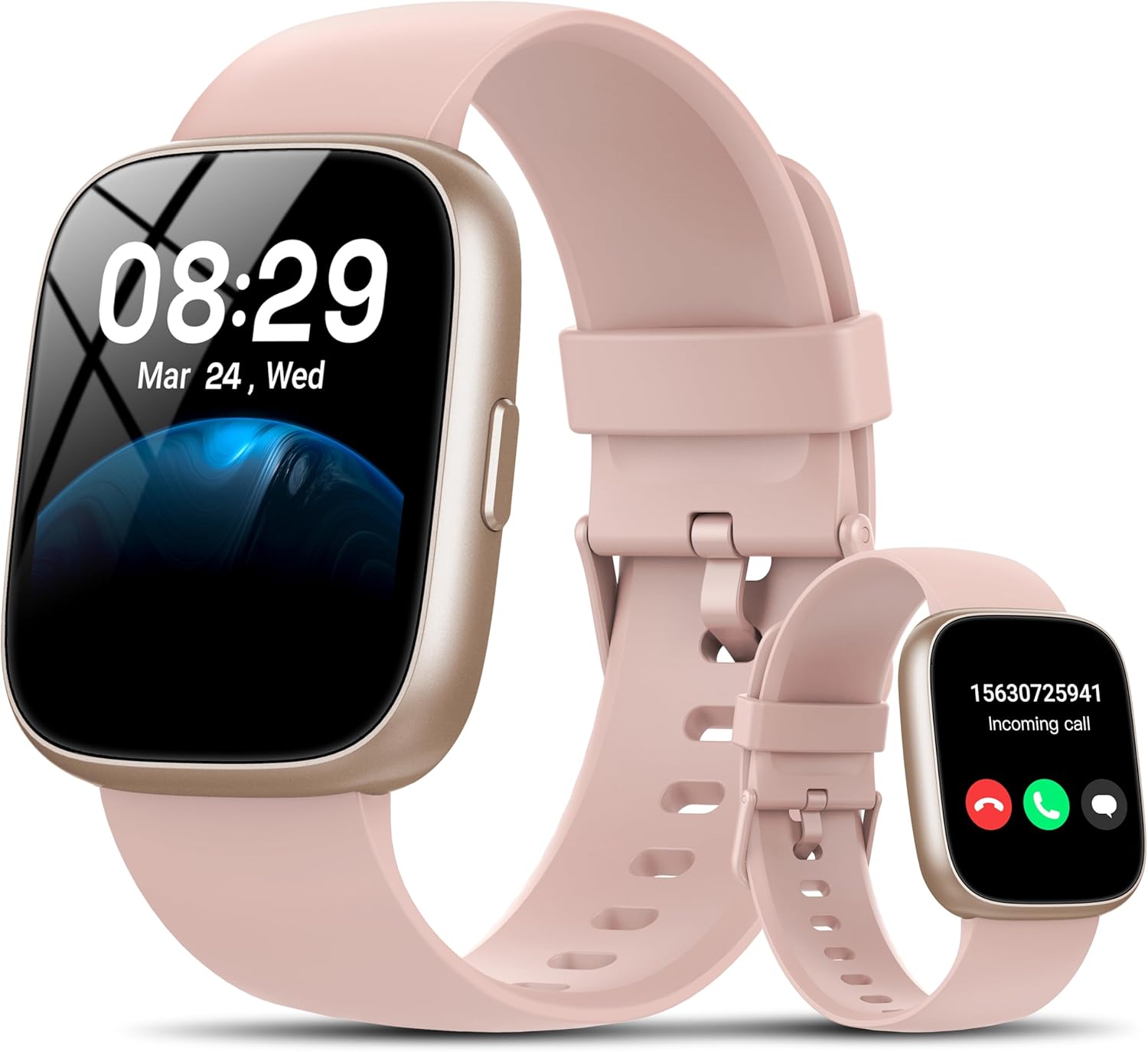
Belangrijke factoren zijn onder meer bouwkwaliteit, gebruikersrecensies en waar voor uw geld. Top-rated opties zoals de Dyurwa Smart Watch met AI Chatgpt (5 ★ van 23 beoordelingen) laten zien hoe kwaliteit eruit ziet in deze categorie.
Hoeveel kosten smartwatches doorgaans?
Prijzen variëren van $ 15 tot $ 350, met de meeste kwaliteitsopties rond $ 88. Budgetopties onder de $ 22 werken voor incidenteel gebruik, terwijl premiummodellen van meer dan $ 132 betere duurzaamheid en functies bieden.
Welke smartwatches zijn momenteel het populairst?
Het slimme horloge met AI Chatgpt is momenteel de best beoordeelde met 5★ van 23 geverifieerde beoordelingen. Bekijk onze volledige vergelijking op /best/smartwatches voor alle topkeuzes.