 PickPundit
📦 How to Choose the Best Synthesizers: Complete Buying Guide

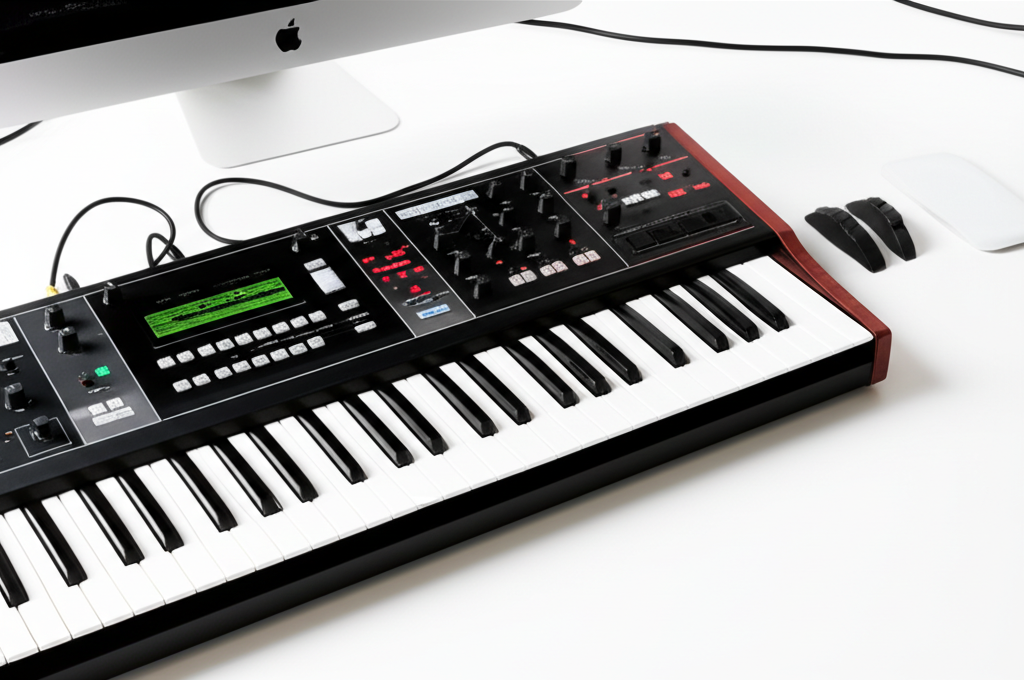
Expert guide to choosing the best synthesizers. Compare features, prices, and find the perfect option for your needs.
View Top Picks →Table of Contents
Navigating the World of Synthesizers: A Comprehensive Buying Guide
Picture this: You're standing in a music store, surrounded by a myriad of buttons, keys, and knobs, each promising a unique sound or feature. The world of synthesizers can be both thrilling and overwhelming, especially if you’re new to the scene or looking to upgrade your current setup. Whether you're a budding musician seeking your first synth or a seasoned pro in search of the next best thing, understanding what to look for can make all the difference. Let's dive into the essentials with this comprehensive guide.
Price Ranges: Budget vs. Premium Options
Synthesizers come in a wide range of prices, each offering different levels of sophistication and features. Here's a breakdown to help you decide which might suit your needs:
Budget-Friendly Options ($100 - $300): If you're just starting out or need something simple for casual play, budget options like the RockJam RJ761 61-Key Keyboard Piano, priced at $159.85, offer excellent value. With 4.5★ reviews, users appreciate its user-friendly interface and included accessories, like a bench and sustain pedal. However, these models often lack advanced sound design capabilities.
Mid-Range Synths ($400 - $800): In this range, you'll find more versatile instruments, often with better sound quality and additional features. The Roland JUNO-D6, priced at $849.99, falls here, but with a 3.8★ rating, it seems to be a mixed bag. It offers the ZEN-Core Engine, which is powerful, but some users have noted issues with its interface and build quality.
Premium Options ($800 and up): For serious musicians or those with specific needs, high-end models like the MOOG Moog Messenger Next-Gen Monophonic Analog Synthesizer at $899 are worth the investment. With a perfect 5★ rating, it's praised for its unparalleled sound quality and robust build. These models are ideal for professional studios or live performances.
Key Features to Consider
When selecting a synthesizer, consider the following features to ensure you get the most out of your purchase:
Sound Quality: Analog vs. digital is a key consideration. Analog synths like the MOOG offer rich, warm sounds, while digital synths can provide a broader range of tones and effects.
Polyphony: This refers to the number of notes a synth can play simultaneously. Monophonic synths, like the MOOG, are excellent for bass lines and leads, while polyphonic synths allow for more complex compositions.
Connectivity: Look for MIDI and USB connectivity options if you plan to integrate your synth with other equipment or software.
User Interface: A clear, intuitive interface can significantly impact your workflow. Beginners might prefer simpler layouts, whereas advanced users may appreciate more knobs and sliders for real-time control.
Portability: Consider the size and weight if you plan to travel with your synth. Compact models are easier to transport but may sacrifice some features.
Common Pitfalls to Avoid
While shopping for a synthesizer, it's easy to get swayed by flashy features. Here are some common pitfalls to avoid:
Overlooking the Learning Curve: Some advanced synths come with a steep learning curve. Ensure you're prepared to invest time in learning your instrument, especially if you're opting for a model with extensive features.
Ignoring Sound Preferences: Personal sound preference is crucial. Where possible, try to test the synth in-person to ensure it produces the sound you're after.
Neglecting Future Needs: Consider your future music goals. A basic model might suffice now, but you may quickly outgrow it. Investing in a more versatile synth could save money in the long run.
What Real Customers Say
Customer reviews can provide invaluable insights. Here's a summary of what users have shared about the top products:
MOOG Moog Messenger: Customers rave about its exceptional sound quality and durable build. It's noted for its ease of use despite being an analog synth, making it a favorite among pros and beginners alike.
Roland JUNO-D6: Opinions are mixed. While some users appreciate the robust sound engine and features, others criticize the interface and occasional technical issues. It's seen as a good option for those who are already familiar with Roland's ecosystem.
RockJam RJ761: Praised for its affordability and accessories, it's a hit among beginners. Users highlight its simple setup and decent sound for the price, although it's not suited for professional work.
Final Recommendations
Choosing the right synthesizer is a personal journey, dependent on your specific needs and experience level. Here are our final recommendations:
For Beginners: Start with an affordable yet reliable option like the RockJam RJ761. It's perfect for learning and casual play without breaking the bank.
For Intermediate Users: If you're looking for something with more depth, consider the Roland JUNO-D6, but be prepared to navigate its quirks.
For Professionals: The MOOG Moog Messenger is a top-tier choice, offering superb sound quality and build, ideal for studio work or live performances.
Remember, the best synthesizer is one that inspires you to create and explore the vast world of music. Take your time to explore your options, and happy synthesizing!
⚖️ Quick Comparison
| Product | Price | Rating | Key Feature |
|---|---|---|---|
| $899.00 | Timeless Intuitive Design - Building upon Moog's iconic monosynths, Messenger fe... | ||
| $849.99 | Gig-ready keyboard with pro sounds, an intuitive workflow, enhanced performance ... | ||
| $159.85 | The RockJam 761 Super Piano Keyboard Set features a sleek electronic keyboard wi... |


