 PickPundit
🍼 How to Choose the Best Baby Bottles: Complete Buying Guide

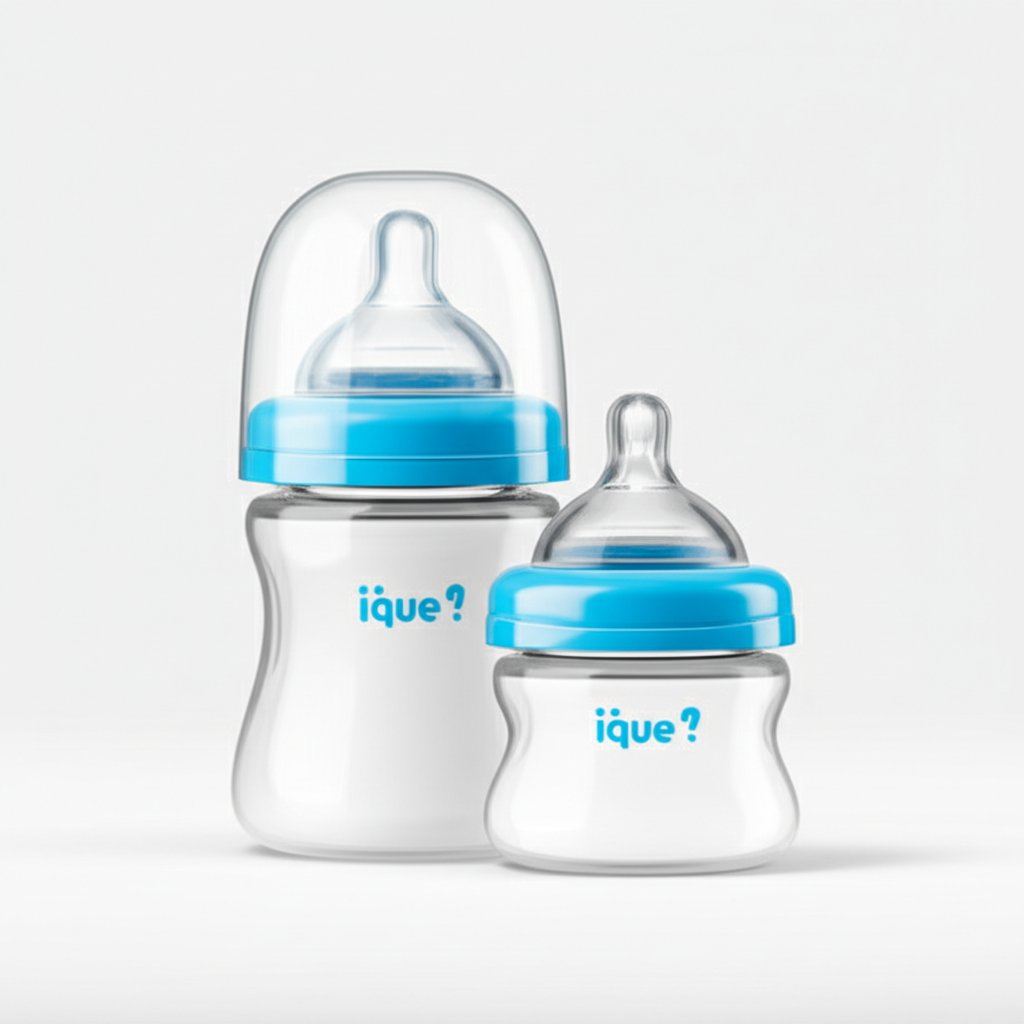
Complete baby bottles buying guide. Learn what features matter, compare top products, and find the best baby bottles for your budget.
View Top Picks →Table of Contents
Baby Bottles: The Five-Month Exclusively Breastfed Baby Who Wouldn't Eat for 10 Hours
"Our daughter did not eat for 10 hours. My husband tried many different bottles... I tried two more bottles when I got home, the Comotomo being the second. She sucked down 3 ounces!"
That parent tried SEVEN bottle/nipple combinations (Dr. Browns, Avent, Playtex 3 types, Medela, NUK) before Comotomo's wide nipple base pressed against baby's nose and cheeks like actual breast. The desperation in that review—being told not to offer breast so baby would "learn"—captures what feeding struggles actually feel like.
The Dr. Brown's Clinical Standard: Anti-Colic Vent System
Dr. Brown's gift set at $29.99 includes bottles, brush, and HappyPaci pacifier. The anti-colic internal vent system is clinically proven to reduce colic, decreasing spit-up, burping, and gas. With 12,478 reviews averaging 4.8 stars, this represents the pediatrician-recommended baseline.
The vacuum-free feeding mimics breastfeeding. Three nipple levels included (Slow, Medium, Medium-Fast) so bottles grow with baby—no new bottle system needed as flow needs change.
One caveat: more parts mean more cleaning. The vent system requires disassembly. For exhausted 3am feeders, this matters.
Philips Avent AirFree: The Upright Feeding Innovation
Philips Avent at $14.99 for 2-pack uses AirFree vent drawing air away from nipple, keeping it full of milk even when held horizontal. This enables upright feeding position, which reduces reflux and aids digestion.
With 2,805 reviews, one parent's relief: "Received!!! Buying Phillip was my best decision ever." The enthusiasm suggests previous feeding struggles resolved.
The 4-oz size suits newborns. The design grows with baby across nipple flow levels. Easy to clean with few parts—addressing Dr. Brown's complexity.
The Pigeon Japanese Research: "These Nipples Are Magical"
Pigeon at $22.99 (1,475 reviews, 3,000 monthly purchases) bases design on "research on 3 natural movements baby does while feeding in Japan." The Latch-On Line guides appropriate latch for effective adsorption.
One extensively detailed review documents five-month exclusively breastfed baby refusing all bottles: "tried SO MANY bottle brands... pigeon nipple is smaller than most... feels softer/more flexible, more like real nipple... the SS size has flow that mimics breast."
The revelation: nipple fit PHILIPS AVENT bottles. "Fits the Avent and Lansinoh bottles (don't know if bottle itself makes difference, but baby prefers Lansinoh shape—easier to grasp)."
Mix-and-match insight: Nipples aren't brand-locked. Pigeon nipples fit Avent/Lansinoh bottles. This enables optimizing nipple feel separately from bottle design.
The Comotomo Design Philosophy: Why It Works When Others Don't
Comotomo replacement nipples at $6.99 (23,384 reviews—highest in category) with fast flow (6+ months, 3 holes): "designed to mimic breastfeeding... truly wide mound with breast-like design."
One extensive review explains: "large breasts... Comotomo nipple pressed against her nose and cheeks like she's used to while feeding. I swear that's what made difference."
The squeezable silicone bottle, ultra-wide nipple base, anti-colic vents—all designed around breast-to-bottle transition. "Only thing my baby would take (we tried MANY bottles)."
The cost objection answered: "If you feel it's too expensive, either you have baby that WILL take another bottle... or this is only thing that works and you put price on getting baby to eat."
Lansinoh NaturalWave: The Tongue-Tie Solution
Lansinoh at $11.99 (749 reviews, 4,000 monthly purchases): wide textured base, gentle slope, ultra-soft flexible nipple. One newborn with reflux AND tongue-tie: "slower controlled flow helps pace himself... fewer air bubbles... much gentler feedings."
The Advanced Air Ventilation System minimizes air intake reducing colic/spit-up. Clinically proven to reduce nipple confusion for breastfed babies. Backed by 50+ years of research.
"Noticeably high quality right out of box. Even after tons of feedings and cleanings, feel remains quality." For medical complications (reflux, tongue-tie), the specialized design might be necessary.
The Flow Level Confusion
Dr. Brown's Level T Nipple (4,421 reviews, 7,000 monthly purchases): "that 'just right' flow for breastfed babies, newborns who need slower flow. Faster than Preemie, slower than Level 1."
The flow progression: Preemie < Level T < Level 1 < Level 2 < Level 3. Most brands don't offer the T intermediate size. For babies graduating from Preemie but not ready for Level 1, this prevents the gulping/choking problem.
Comotomo's unmarked flow system: 1 hole (slow 0-3mo), 2 holes (medium 3-6mo), 3 holes (fast 6mo+), Y-cut (variable). One parent ignores age recommendations: "5-month-old still uses slow flow... don't want bottles 'easier' than breast."
Evenflo Balance+ Cross-Compatibility
Evenflo at $10.99 (2,688 reviews): "Unique nipple shape... gentle natural slope... maintains wide latch without sliding to tip." One discovery: "They fit Avent bottles perfectly with no leaking!"
Cross-brand compatibility lets you optimize bottle body separately from nipple design. If baby prefers Avent bottles but needs Evenflo nipple shape, mix them.
The Honest Framework
Standard starting point: Dr. Brown's ($30 gift set) or Philips Avent ($15). Most babies accept these. Multiple cleaning parts vs simpler design trade-off.
Breast-to-bottle transition struggles: Pigeon ($23), Comotomo ($7 replacement nipples). Smaller, softer, more breast-like. Mix with compatible bottles.
Medical complications (reflux, tongue-tie): Lansinoh NaturalWave ($12), Dr. Brown's Level T ($14). Specialized flow control.
Cross-compatibility testing: Buy nipple variety pack, test which baby accepts, reorder those. Nipples cost $7-23, much less than complete bottle system experiments.
That parent whose baby wouldn't eat for 10 hours tried seven bottles before success. The struggle is real, common, and solvable—usually through nipple design, not bottle brand.
Frequently Asked Questions
What should I look for when buying baby bottles?
Key factors include build quality, user reviews, and value for money. Top-rated options like the Dr. Brown's Dr. Brown's Natural Flow Anti-Colic Options+ Narro (4.8★ from 12,478 reviews) demonstrate what quality looks like in this category.
How much do baby bottles typically cost?
Prices range from $10 to $48, with most quality options around $22. Budget options under $15 work for occasional use, while premium models over $33 offer better durability and features.
Which baby bottles are most popular right now?
The Dr. Brown's Natural Flow Anti-Colic Options+ Narrow Baby Bot is currently top-rated with 4.8★ from 12,478 verified reviews. Check our full comparison at /best/baby-bottles for all top picks.


