 PickPundit
📦 Como escolher as melhores máquinas de pão: guia de compra completo

Complete bread machines buying guide. Learn what features matter, compare top products, and find the best bread machines for your budget.
View Top Picks →Table of Contents
Bread Machines: The Fresh-Baked Morning Routine That Might Not Survive
Bread machine reviews follow emotional arc: initial excitement about fresh-baked bread aroma filling house, peak enthusiasm during first few weeks of daily use, gradual decline as novelty wears off and cleaning burden accumulates, eventual abandonment to cabinet storage where machine occupies space unused.
Understanding this pattern helps identify whether bread machine purchase will provide lasting value or become expensive countertop clutter.
The 2-Hour Commitment Reality
Complete bread cycle: 2-3 hours from ingredient addition to finished loaf. The delayed gratification means bread machines work best for overnight baking (add ingredients before bed, wake to fresh bread) or planned day-ahead baking.
For spontaneous "I want fresh bread now" desires, the 2-3 hour cycle creates disappointment. Air fryers and toasters provide instant gratification; bread machines require patience and planning.
The Cleaning Burden That Causes Abandonment
Each baking cycle requires cleaning: bread pan, kneading paddle, lid. The non-stick pan needs hand-washing (dishwasher damages coating). The kneading paddle frequently gets stuck inside finished loaf, requiring extraction and separate cleaning.
One honest review after 6 months: "Used enthusiastically first month, twice weekly second month, once third month, haven't used in three months. The cleaning after work when tired became too much effort."
The maintenance commitment matters more than purchase price. Enthusiastic initial use doesn't predict long-term commitment.
The Paddle-Stuck-In-Loaf Problem
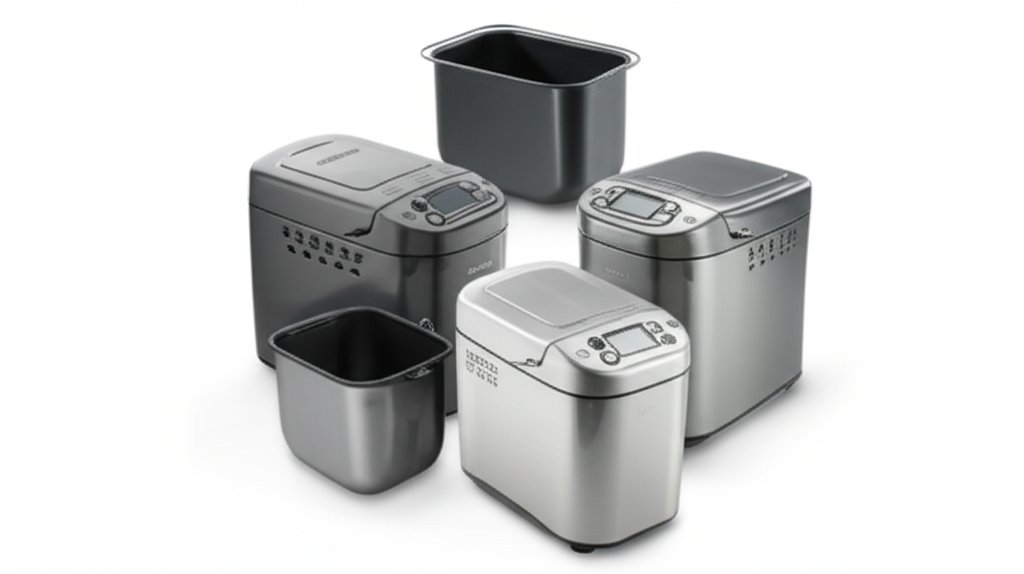
Nearly every bread machine review mentions this: kneading paddle bakes into bottom of finished loaf. Removing it creates hole in bread bottom and risks dropping hot paddle. Some machines include paddle removal tool; others leave you improvising with forks or tongs.
Higher-end machines address this with collapsible paddles that minimize hole size or dual-paddle systems distributing kneading action. Budget machines use simple fixed paddles creating larger holes and harder removal.
The Gluten-Free Baking Challenge
Standard bread machine cycles optimize for wheat-based doughs. Gluten-free flours behave differently - different mixing times, rising temperatures, baking durations needed.
Machines with "gluten-free" settings address this through adjusted cycles. Without dedicated setting, gluten-free baking requires manual experimentation with custom cycles. One celiac reviewer: "Tried standard cycle, bread came out dense and gummy. Switched to gluten-free setting, perfect texture."
The Loaf Size vs Household Size Matching
1-pound loaf capacity: Serves 1-2 people, fits smaller kitchens.
1.5-pound loaf: Standard size serving 2-3 people, most common.
2-pound loaf: Large family size, requires countertop space for bigger machine.
Under-sizing creates frustration (baking twice to serve family). Over-sizing wastes ingredients (leftover bread going stale before consumption) and occupies unnecessary counter space.
The Delay Timer Marriage-Saving Feature
Delay timers allowing 12-hour advance programming enable overnight baking: add ingredients before bed, set timer for 6am completion, wake to fresh bread aroma.
This feature transforms bread machines from "need to be home during 2-hour cycle" to "set and forget overnight." For working households, this might be difference between regular use and abandonment.
Framework
Testing commitment ($60-100): Basic machines with standard features, accepting might not use long-term. If abandoned, smaller loss.
Regular baker ($100-150): Delay timer mandatory, gluten-free setting if needed, 1.5lb capacity for families.
Serious breadmaking ($200-300): Dual paddles, customizable cycles, large capacity, superior build quality for daily use.
The starter approach: buy basic machine, use for 3 months. If still using regularly, sell basic and upgrade to premium with desired features. If abandoned, less money wasted than buying premium upfront.
Frequently Asked Questions
O que devo procurar ao comprar máquinas de pão?
Os principais fatores incluem qualidade de construção, avaliações de usuários e custo-benefício. Opções de primeira linha, como o Elite Gourmet Elite Gourmet EBM8103B Maker Programmable Bread Maker MA (4,5★ de 7.781 avaliações) demonstram como é a qualidade nesta categoria.
Quanto custam as máquinas de pão normalmente?
Os preços variam de US$ 6 a US$ 340, com a maioria das opções de qualidade em torno de US$ 121. As opções de orçamento abaixo de US$10 funcionam para uso ocasional, enquanto os modelos Premium acima de US$182 oferecem melhor durabilidade e recursos.
Quais máquinas de pão são mais populares agora?
A máquina de máquina de pão programável Elite Gourmet EBM8103B 3 LO é atualmente mais bem avaliada com 4,5★ de 7.781 críticas verificadas. Verifique nossa comparação completa em /best/bread-machines para todas as principais escolhas.


