 PickPundit
📦 Como escolher o melhor armazenamento de alimentos: guia de compra completo

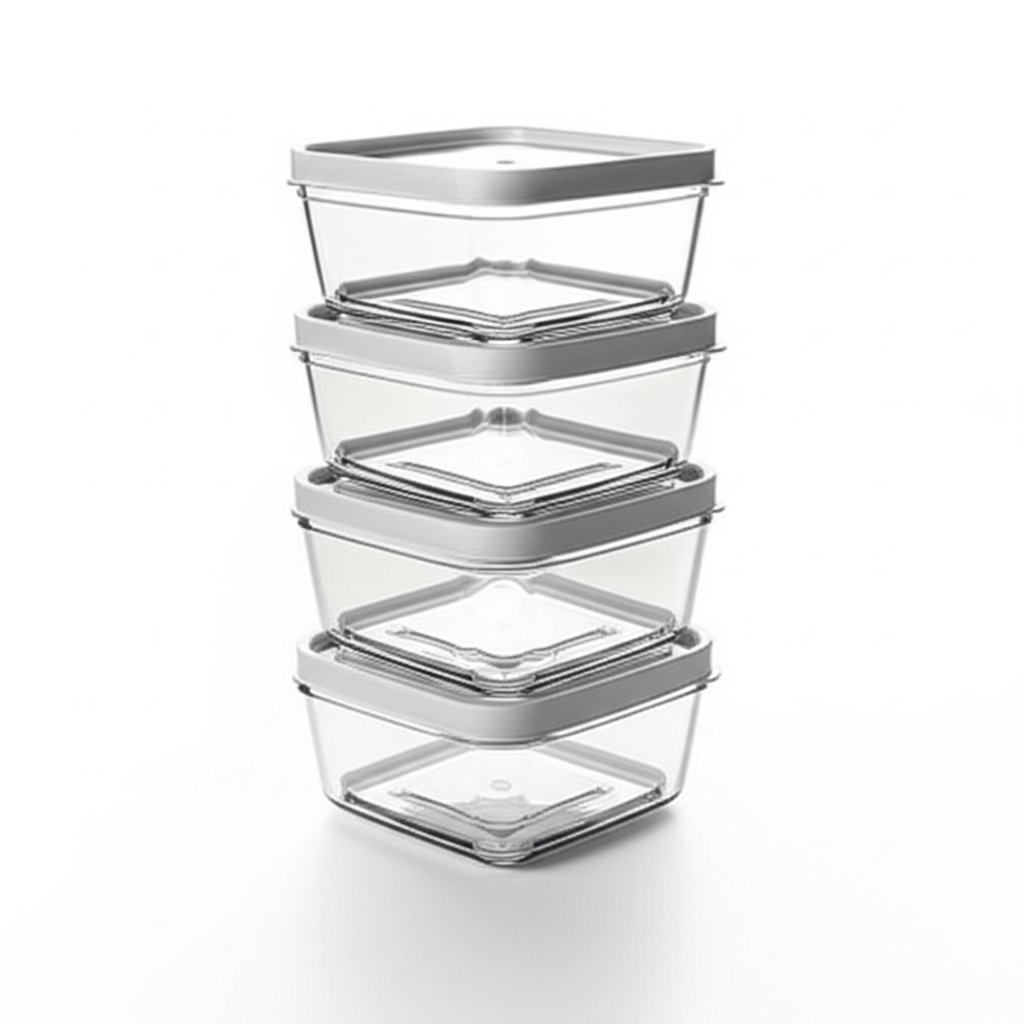
Complete food storage buying guide. Learn what features matter, compare top products, and find the best food storage for your budget.
View Top Picks →Table of Contents
Food Storage Containers: Organization and Freshness Systems
Food storage containers organize refrigerators and pantries while keeping food fresh longer. Understanding materials, sealing mechanisms, and system compatibility helps build container collections that actually get used rather than cluttering cabinets.
Material Options
What containers are made from:
Plastic (polypropylene): Lightweight, affordable, may stain with tomato-based foods.
Glass: Heavier, stain-resistant, microwave/oven-safe. Rubbermaid Brilliance tier.
Silicone: Flexible, collapsible for storage. Vremi silicone option.
Stainless steel: Durable, no leaching, not microwave-safe.
Plastic Safety
Understanding food-safe plastics:
BPA-free: Standard now. Avoid older containers.
Number system: #5 (PP) and #2 (HDPE) considered safest.
Microwave concerns: Some prefer glass for heating to avoid potential leaching.
Dishwasher effects: Heat can degrade plastic over time.
Glass Container Benefits
Why glass is worth the weight:
No staining: Tomato sauce doesn't discolor.
Microwave to table: Heat and serve in same container.
Longevity: Doesn't degrade like plastic.
Clear visibility: See contents easily.
Oven-safe: Some glass containers can go in oven.
Sealing Mechanisms
How lids keep food fresh:
Snap-on lids: Quick access, moderate seal.
Locking latches: Better seal for liquids, freshness.
Silicone gaskets: Air-tight seal for maximum freshness.
Vacuum seal: Removes air for longest preservation.
Stackability
Storage efficiency:
Matching systems: Same-brand containers stack efficiently.
Lid organization: Separate lid storage vs attached lids.
Nested storage: Containers fit inside each other when empty.
Cabinet space: Organized systems save significant space.
Size Assortments
Building useful collections:
Variety packs: Multiple sizes for different needs.
Individual purchase: Buy sizes you actually use.
Small containers: Snacks, portions, small leftovers.
Large containers: Batch cooking, meal prep.
Meal Prep Use
Containers for weekly prep:
Portion control: Same-size containers for consistent portions.
Compartmented containers: Separate foods in one container.
Freezer-safe: Store make-ahead meals.
Microwave-safe: Convenient reheating.
Freshness Preservation
Keeping food longer:
Air-tight seals: Essential for freshness.
Clear containers: See when food is aging.
Date labeling: Track when food was stored.
Appropriate sizing: Minimize air in container.
Liquid Storage
Soup and sauce considerations:
Leak-proof lids: Locking latches for transport.
Testing: Some containers claim leak-proof but aren't.
Vertical storage: Confidence in leak-proof seal.
Freezer Considerations
Cold storage needs:
Freezer-safe materials: Not all plastics handle freezing well.
Expansion room: Leave space for liquid expansion.
Shape for stacking: Flat containers freeze and store efficiently.
Labeling: Essential for freezer organization.
Replacing Disposables
Environmental considerations:
Reusable vs single-use: Containers reduce plastic bag/wrap use.
Silicone bags: Alternative to disposable plastic bags.
Initial investment: Upfront cost saves over time.
Durability: Quality containers last years.
Practical Recommendations
For beginners: Variety pack of quality containers (Rubbermaid Brilliance or similar). Learn what sizes you use.
For meal preppers: Same-size containers for portions. Compartmented options for complete meals.
For glass preference: Invest in quality glass with good sealing lids.
For flexibility: Silicone containers (Vremi) collapse for compact storage.
The key insight: matching container systems stack and organize better than random collections. Invest in quality seals for food safety, and buy sizes you'll actually use based on household cooking patterns.
Frequently Asked Questions
O que devo procurar ao comprar alimentos armazenados?
Os principais fatores incluem qualidade de construção, avaliações de usuários e custo-benefício. Opções de alto valor, como os recipientes de armazenamento de alimentos de silicone VREMI VREMI com BPA FR (4,4★ de 5.176 avaliações) demonstram como é a qualidade nesta categoria.
Quanto custa normalmente o armazenamento de alimentos?
Os preços variam de US$15 a US$44, com a maioria das opções de qualidade em torno de US$32. As opções de orçamento abaixo de US$22 funcionam para uso ocasional, enquanto os modelos Premium acima de US$48 oferecem melhor durabilidade e recursos.
Quais são os armazenamentos de alimentos mais populares agora?
Os recipientes de armazenamento de alimentos de silicone VREMI com BPA Free Airtigh são atualmente mais bem avaliados com 4,4★ de 5.176 avaliações verificadas. Verifique nossa comparação completa em /best/food-storage para todas as principais escolhas.


