 PickPundit
💨 Como escolher os melhores umidificadores: guia de compra completo

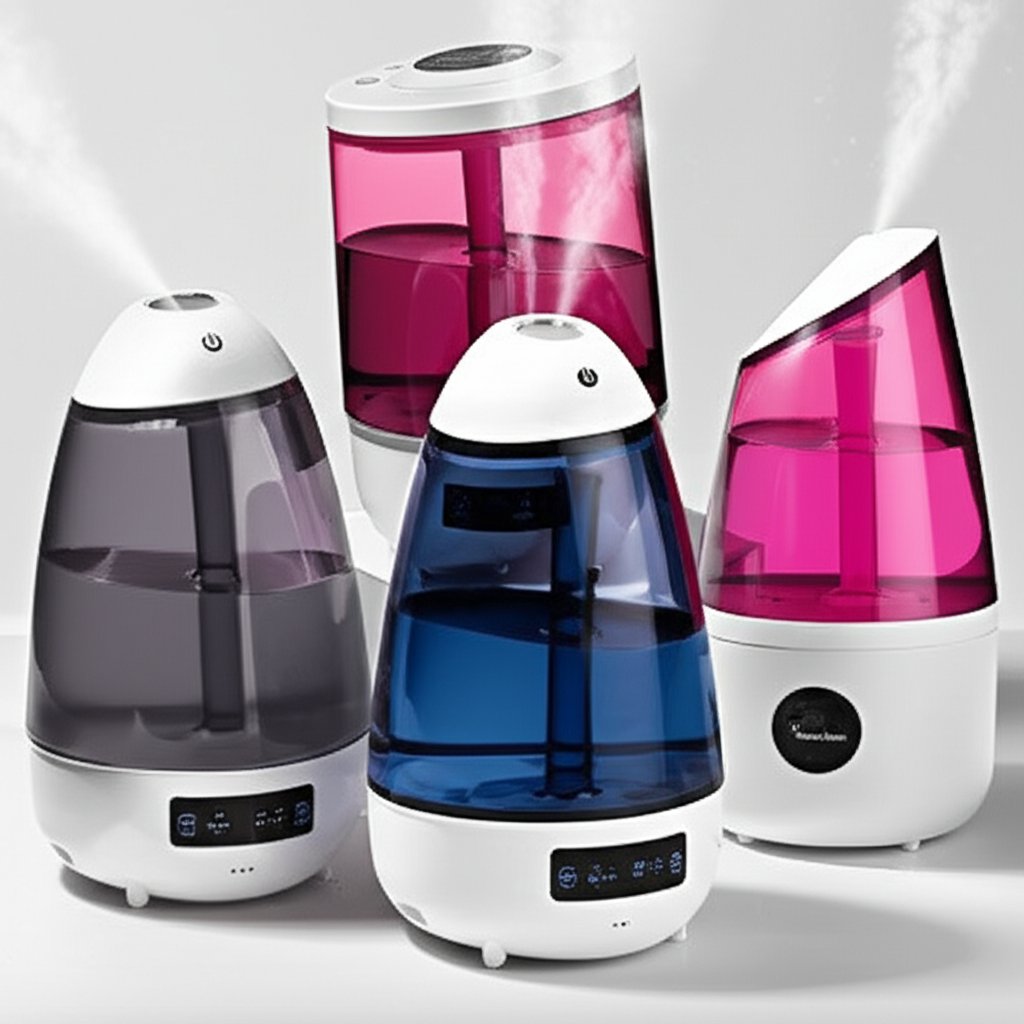
Complete humidifiers buying guide. Learn what features matter, compare top products, and find the best humidifiers for your budget.
View Top Picks →Table of Contents
Humidifiers: The White Dust Mineral Deposit Nightmare
Humidifier reviews from week 2-3 of use: "Everything near humidifier covered in white dust - furniture, floor, electronics. Didn't expect this mess."
The white dust is mineral deposits from tap water being dispersed into air by ultrasonic vibrations. Understanding this prevents the mineral-dust coating covering room in fine white powder.
The Ultrasonic vs Evaporative vs Steam Technology
Ultrasonic humidifiers: Vibrate water into fine mist, quietest operation, most energy efficient, cheapest ($30-80). Also: disperse minerals creating white dust unless distilled water used.
Evaporative humidifiers: Fan blows air through wet wick/filter, minerals stay in filter, no white dust. Also: louder operation, higher energy use, filter replacements ($15-30 every 2-3 months), moderate cost ($40-120).
Steam/warm mist: Boils water creating steam, kills bacteria through heating, no white dust, warms room slightly. Also: highest energy use, safety concern from hot steam, expensive operation cost ($60-150 purchase, high electricity).
For tap water use, evaporative prevents white dust problem. For quiet operation with distilled water, ultrasonic works. For bacteria concerns, steam provides sanitization.
The Tank Size vs Runtime vs Refill Frequency
Small tanks (1-2 liters): 8-12 hour runtime, requires daily refilling, compact size, adequate for bedrooms.
Medium tanks (3-5 liters): 18-24 hour runtime, refill every 1-2 days, most common size.
Large tanks (6+ liters): 24-36+ hour runtime, heavier when full, less frequent refilling, requires floor space.
The refill frequency trade-off: Larger tanks reduce refilling hassle but create weight and space issues. For bedroom nightstand, large tank doesn't fit. For floor placement, larger tank's reduced refilling justifies footprint.
The runtime calculations assume medium output setting. High output drains tank 2-3x faster, requiring more frequent refills regardless of tank size.
The Humidistat Automatic Control vs Manual Operation
Humidistat (built-in humidity sensor): Maintains target humidity automatically, cycles on/off preventing over-humidification.
Manual control: Runs continuously until tank empty or manually turned off, risk of over-humidification (above 60% creates mold growth conditions).
The over-humidification problem: Manual humidifiers left running overnight in small bedrooms can push humidity to 70-80%, creating condensation on windows and mold-friendly environment.
Humidistat-equipped models ($50-150, premium feature) prevent this through automatic cycling. For small rooms or overnight use, humidistat worth premium for mold prevention.
The Cleaning Maintenance Frequency
Humidifiers require cleaning every 3-7 days to prevent bacteria and mold growth in tank and base. The cleaning involves: emptying tank, scrubbing with vinegar or bleach solution, rinsing thoroughly, drying before refilling.
Time investment: 10-15 minutes per cleaning, weekly commitment.
For buyers expecting zero-maintenance appliance, the weekly cleaning requirement causes abandonment - humidifier sits unused rather than maintained.
Reviews documenting "humidifier grew mold, health concern" reflect inadequate cleaning frequency, not defective product.
Framework
Bedroom dry air relief ($40-80): Ultrasonic with humidistat, 3-4 liter tank, using distilled water to prevent white dust.
Whole-room evaporative ($60-120): Evaporative for tap water use without white dust, larger tank, accepting filter replacement cost and louder operation.
Baby nursery ($50-100): Warm mist for bacteria-free output, humidistat to prevent over-humidification, safety considerations for hot steam.
Budget tap water use ($40-70): Evaporative accepting filter costs, or ultrasonic accepting white dust from minerals.
Large space ($80-150): High output capacity, large tank, humidistat preventing over-humidification in extended runtime.
The humidifier success requires commitment to regular cleaning schedule (weekly minimum) and either using distilled water (adding $1-2 weekly cost) or accepting white dust from tap water in ultrasonic models. The cleaning frequency surprises buyers expecting set-and-forget operation.
Frequently Asked Questions
O que devo procurar ao comprar umidificadores?
Os principais fatores incluem qualidade de construção, avaliações de usuários e custo-benefício. Opções de alto nível, como o Air Innovations Air Innovations AI-104 Ultrasonic Cool Mist Humidi (4.1★ de 72 avaliações) demonstram como é a qualidade nesta categoria.
Quanto custam normalmente umidificadores?
Os preços variam de US$10 a US$400, com a maioria das opções de qualidade em torno de US$75. As opções de orçamento abaixo de US$15 funcionam para uso ocasional, enquanto os modelos Premium acima de US$113 oferecem melhor durabilidade e recursos.
Quais umidificadores são mais populares agora?
O umidificador de névoa Cool Cool Cool Innovations AI-104 da Air Innovations para L é atualmente mais bem avaliado com 4.1★ de 72 avaliações verificadas. Verifique nossa comparação completa em /Best/humidifiers para todas as principais escolhas.
⚖️ Quick Comparison
| Product | Price | Rating | Key Feature |
|---|---|---|---|
|
#1
|
$74.99 | LONG-LASTING HUMIDITY Experience extended comfort with the AI-104's 3.5L oversiz... | |
| $19.99 | 3 in 1 Humidifiers for BedroomThis quiet humidifier with an aroma diffuser and s... | ||
| $59.99 | Superior Humidity Control This advanced ultrasonic humidifier delivers whisper-q... |


