 PickPundit
🔧 How to Choose the Best Power Drills: Complete Buying Guide

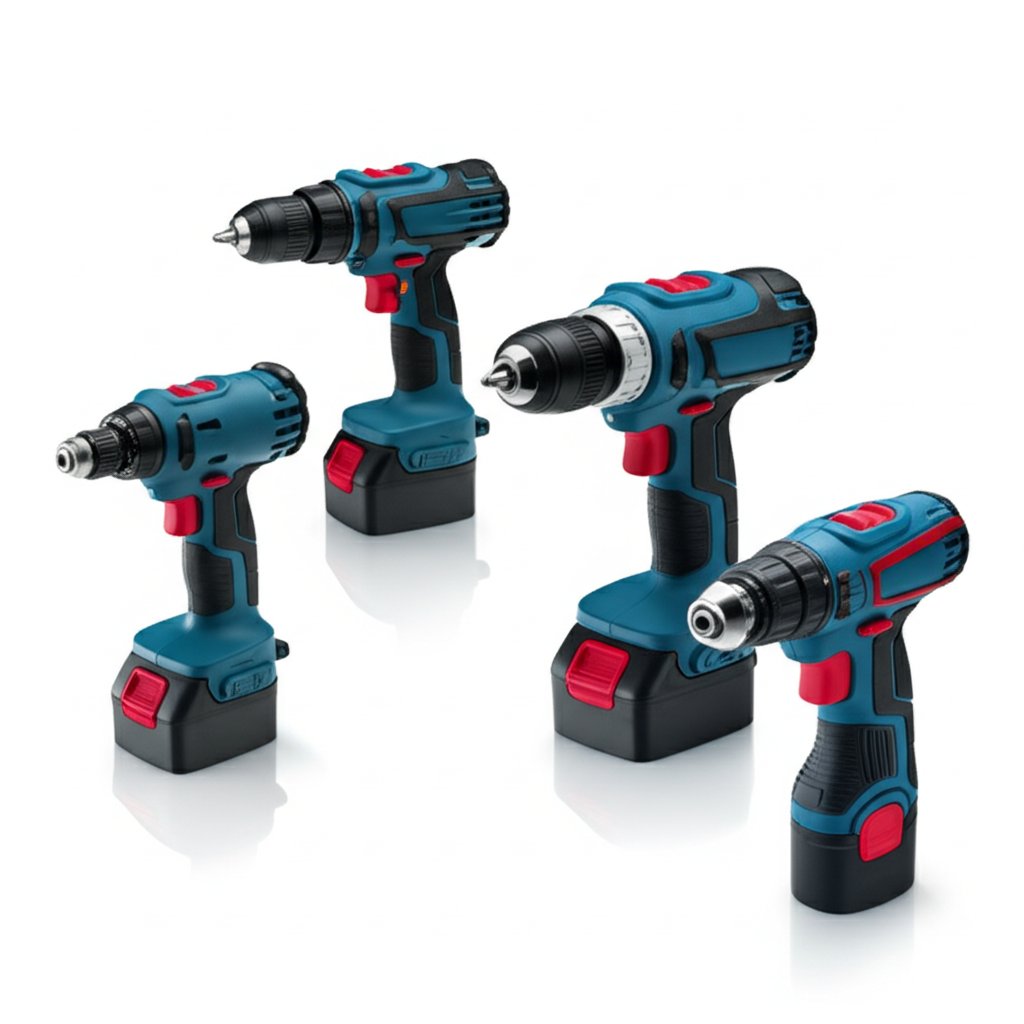
Complete power drills buying guide. Learn what features matter, compare top products, and find the best power drills for your budget.
View Top Picks →Table of Contents
Power Drills: The 12V vs 20V Voltage Decision Most Homeowners Get Wrong
Power tool marketing emphasizes 20V as more powerful than 12V, creating impression higher voltage is always better. For homeowner tasks (assembling furniture, hanging pictures, basic repairs), 12V provides adequate power at lower cost, lighter weight, and smaller battery.
The 20V premium pays for power needed primarily by contractors and serious DIYers. Understanding task requirements prevents overpaying for power you won't use.
The Brushless vs Brushed Motor Longevity
Brushed motors: Traditional technology, cheaper ($40-80), adequate power, shorter lifespan (3-5 years typical), eventual brush replacement needed.
Brushless motors: Modern technology, more efficient, longer lifespan (8-12+ years), more expensive ($100-200+), better battery life.
For occasional homeowner use (few times monthly), brushed motor lasts adequate time. For frequent DIY use (weekly), brushless longevity justifies premium through extended lifespan and better runtime per battery charge.
The Chuck Size 3/8" vs 1/2" Capacity
3/8" chuck: Accepts drill bits and driver bits up to 3/8" diameter, adequate for most homeowner tasks.
1/2" chuck: Accepts larger bits and accessories, necessary for serious drilling into masonry or metal, heavier.
The 1/2" capability adds weight and cost for capacity rarely used in home tasks. For hanging pictures, assembling furniture, basic home repair, 3/8" handles all bits you'll actually use.
Contractors drilling large holes in tough materials need 1/2". Homeowners rarely do.
The Battery Capacity vs Weight Trade-Off
1.5Ah batteries: Lightest, adequate for 20-30 minutes continuous use, best for overhead work or extended holding.
2.0-3.0Ah batteries: Good balance, 30-60 minutes runtime, reasonable weight.
4.0-6.0Ah batteries: Maximum runtime (1-2+ hours), heavy, causes arm fatigue during extended use.
The task duration: Hanging 5 pictures requires 5-10 minutes total drill use - 1.5Ah battery adequate. Building deck requiring hours of continuous screwing - 4.0Ah+ battery prevents mid-project recharging.
For homeowner occasional use, 1.5-2.0Ah battery provides adequate runtime without unnecessary weight. For professional all-day use, large batteries prevent workflow interruption despite weight.
The Impact Driver vs Drill Confusion
Drills: Spin at constant speed, provide adjustable torque clutch preventing over-tightening, good for drilling holes and driving screws with control.
Impact drivers: Deliver rotational bursts (impacts) providing higher torque for driving screws, excellent for long screws and tough materials. Also: loud operation, no clutch adjustment, not designed for drilling holes (though capable).
The combo kit ($150-300 with both tools) seems excessive for homeowners but provides right tool for each task. Using drill for all tasks creates frustration when encountering long deck screws requiring impact driver's torque.
For basic homeowner needs, drill adequate for all tasks. For any deck building, furniture assembly with long screws, or renovation work, impact driver becomes necessary second tool.
Framework
Basic homeowner ($60-100): 12V brushed drill, 1.5Ah battery, 3/8" chuck, adequate for furniture assembly and picture hanging.
Serious DIYer ($120-200): 20V brushless drill, 2.0Ah battery, accepting higher cost for frequent use longevity.
Renovation/contractor ($200-400): 20V brushless combo kit (drill + impact driver), 4.0Ah+ batteries, professional-grade for daily use.
Lightweight overhead ($80-150): 12V brushless, lightest configuration, for overhead drilling and elderly users, accepting lower power for reduced fatigue.
Budget adequate ($45-80): Corded drill eliminating battery cost and runtime limits, accepting cord inconvenience for cost savings and unlimited runtime.
The power drill purchase for homeowners should prioritize: weight (lighter for easier handling), battery life matching task duration, and brushless if budget allows for longevity. The 20V vs 12V voltage decision should follow from actual heavy-duty needs (contractors yes, homeowners usually no) rather than assuming more voltage always better.
Frequently Asked Questions
What should I look for when buying power drills?
Key factors include build quality, user reviews, and value for money. Top-rated options like the FADAKWALT FADAKWALT Cordless Drill Set (4.6★ from 2,766 reviews) demonstrate what quality looks like in this category.
How much do power drills typically cost?
Prices range from $16 to $149, with most quality options around $53. Budget options under $23 work for occasional use, while premium models over $80 offer better durability and features.
Which power drills are most popular right now?
The FADAKWALT Cordless Drill Set is currently top-rated with 4.6★ from 2,766 verified reviews. Check our full comparison at /best/power-drills for all top picks.


