 PickPundit
🎬 Como escolher os melhores projetores: guia de compra completo

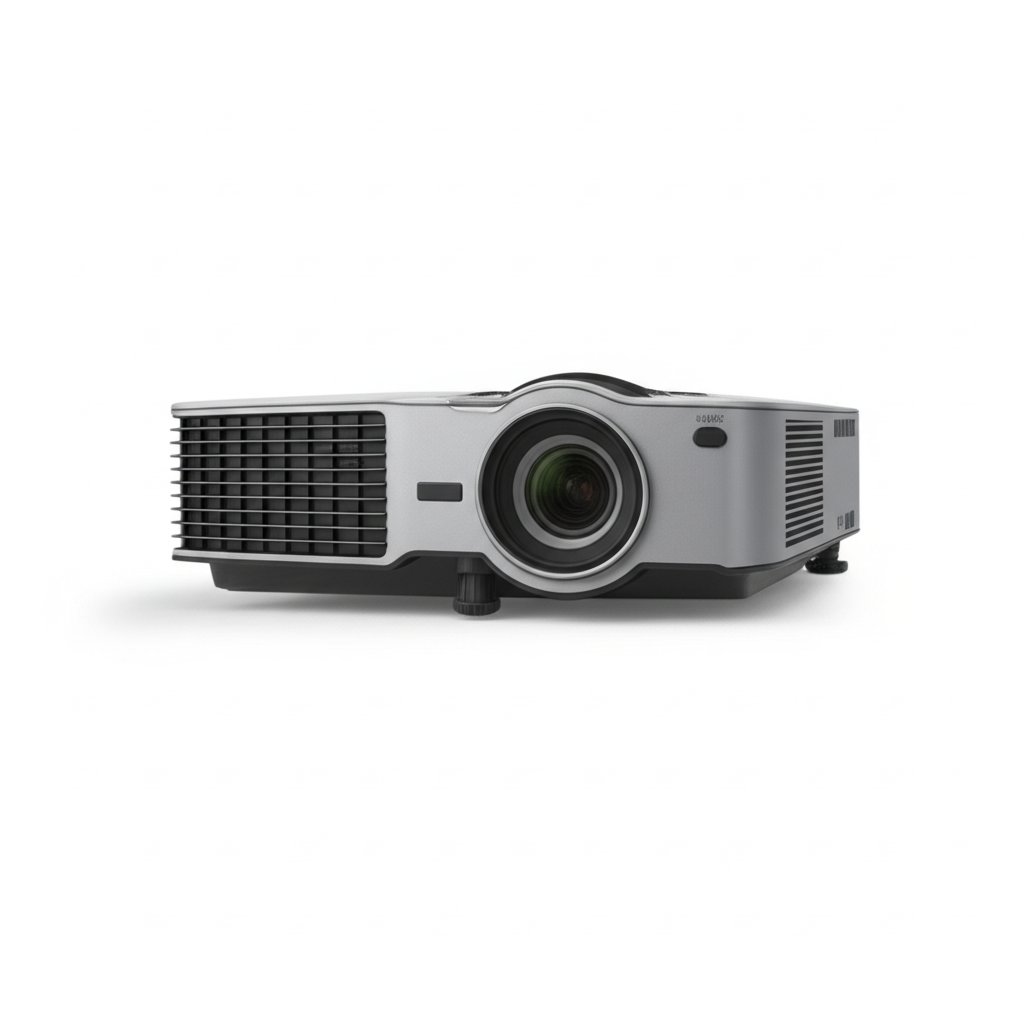
Complete projectors buying guide. Learn what features matter, compare top products, and find the best projectors for your budget.
View Top Picks →Table of Contents
Projectors: The Lumens Specification vs Room Darkness Reality
Projector brightness measured in lumens determines viewing quality under ambient light. Marketing lumens claims often exaggerated or measured under optimal conditions not matching real-world use.
Understanding the lumens-to-room-darkness requirement prevents buying inadequate brightness projector requiring complete blackout for viewable image.
The Lumens vs Ambient Light Matching
1,500-2,500 lumens: Requires dark room, lights off, blackout curtains. Ambient light washes out image.
2,500-3,500 lumens: Handles some ambient light, curtains closed, lamps off adequate. Most versatile for home theaters.
3,500+ lumens: Bright rooms tolerable, some lights on acceptable, approaching daytime usability.
Budget projectors ($200-500) typically claim 3,000-5,000 lumens but real output is 1,500-2,500 (measured lumens vs marketing lumens). Premium projectors ($800-2,000+) deliver advertised lumens more accurately.
For living rooms with windows and ambient light, budget projector's inadequate real lumens creates unwatchable daytime image requiring evening-only viewing. Premium brightness enables flexible viewing times.
The Throw Distance vs Room Size Limitation
Standard throw projectors: Require 8-12 feet distance from screen for 100-inch image.
Short-throw projectors: Achieve 100-inch from 3-5 feet, enabling projection in smaller rooms.
Ultra-short-throw: Project from inches away (against wall), minimal space requirement.
The room size calculation: Measure available distance from seating to projection wall. Buying standard-throw for room with only 6 feet available creates image too small or projector positioning blocking view.
Short-throw and ultra-short-throw cost $300-800 premium but enable projection in space-constrained rooms standard projectors cannot accommodate.
The Native Resolution vs Supported Resolution Confusion
Native resolution: Actual pixel count projector displays (1280x720, 1920x1080, 3840x2160).
Supported resolution: Maximum input signal accepted, which gets downscaled to native resolution.
Marketing claims "Supports 4K!" for projector with 1080p native resolution. It accepts 4K input but displays it at 1080p through downscaling - not true 4K projection.
The native resolution determines image clarity. For true 4K projection, verify native 4K (3840x2160), not just "supports 4K."
The Lamp Life vs LED Lifespan Economics
Traditional lamp projectors: 2,000-5,000 hour lamp life, replacement bulbs cost $80-200, brightness degrades toward end of life.
LED projectors: 20,000-30,000 hour lifespan, no bulb replacement, consistent brightness across lifespan.
At 3 hours daily use:
- Lamp projector: 3,000-hour lamp lasts 2.7 years, $100 replacement, 3 replacements over 10 years = $300 bulb cost.
- LED projector: Lasts 18+ years at 3 hours daily, zero replacements.
The LED premium ($100-300 extra initially) pays for itself through eliminated bulb replacements within 5-7 years for regular users.
Framework
Dark room home theater ($400-800): 2,000-3,000 real lumens adequate, native 1080p minimum, lamp or LED depending on budget/usage.
Living room versatile ($800-1,500): 3,500+ lumens handling ambient light, native 1080p or 4K, LED for longevity.
Small room/apartment ($500-1,200): Short-throw or ultra-short-throw, adequate lumens for space, accepting premium for space constraints.
Gaming ($600-1,500): Low input lag (under 30ms), native 1080p minimum, 120Hz support if console gaming, brightness adequate for gaming room darkness.
Budget testing ($200-400): Accepting dark-room-only usage, 720p or 1080p native, lamp bulb replacement costs, determining if projection appeals before premium investment.
The projector vs large TV decision: 100-inch projection screen costs $800-1,500 (projector + screen). 75-inch TV costs $800-1,500. Projection provides larger image, TV provides brighter image and daytime usability. Choose based on room darkness and size priority.
Frequently Asked Questions
O que devo procurar ao comprar projetores?
Os principais fatores incluem qualidade de construção, avaliações de usuários e custo-benefício. Opções de classificação mais alta, como o projetor Full HD 4K de alto brilho do Happrun com WiFi e (4,5★ de 432 avaliações) demonstram como é a qualidade nesta categoria.
Quanto custam normalmente os projetores?
Os preços variam de US$ 42 a US$ 855, com a maioria das opções de qualidade em torno de US$ 211. As opções de orçamento abaixo de US$ 64 funcionam para uso ocasional, enquanto os modelos Premium acima de US$ 317 oferecem melhor durabilidade e recursos.
Quais projetores são mais populares agora?
O projetor Full HD 4K com alto brilho com WiFi e Bluetooth é atualmente mais bem avaliado com 4,5★ de 432 avaliações verificadas. Verifique nossa comparação completa em /Best/Projectors para todas as principais escolhas.
⚖️ Quick Comparison
| Product | Price | Rating | Key Feature |
|---|---|---|---|
| $268.99 | Easier Operation - Auto focus and 6D auto-keystone technology provide quick adju... | ||
| $237.45 | Built-in Google TV - Access Netflix, Prime Video, YouTube, and Hulu directly wit... | ||
| $259.99 | Smart Projector with Movin 2.0 OS - Delivers up to 75% faster performance with p... |


