 PickPundit
🌸 Как выбрать лучшие автомобильные освежители воздуха: полное руководство по покупке

Complete car air fresheners buying guide. Learn what features matter, compare top products, and find the best car air fresheners for your budget.
View Top Picks →Table of Contents
Air Fresheners: Masking Problems vs Solving Them
Air fresheners represent one of consumer products' most honest deceptions—they don't clean air, eliminate odors, or improve air quality. They add competing scents strong enough to override what you're smelling. Understanding this fundamental reality helps set appropriate expectations and choose products that work for your actual situation.
The Masking Mechanism
All air fresheners work by releasing volatile organic compounds (VOCs) that your nose detects. When these scent molecules outnumber or out-compete malodor molecules for your olfactory receptors, you perceive the space as "fresher." Nothing has been cleaned or removed—you've just changed what you're smelling.
This matters because some odor sources require actual solutions. Pet accidents need enzymatic cleaners that break down uric acid—no amount of lavender fragrance addresses the underlying problem. Mold requires remediation, not masking. Smoke odors bond to surfaces and need deep cleaning. Air fresheners applied over these problems create a perfume-over-garbage situation that often smells worse than the original issue.
For legitimate uses—maintaining pleasant ambient scent in already-clean spaces—air fresheners work exactly as intended.
Delivery System Comparison
Spray aerosols ($3-8) provide instant, concentrated fragrance bursts. They're ideal for quick fixes before guests arrive or neutralizing temporary odors like cooking smells. The effect is intense but short-lived—typically 30-60 minutes of noticeable fragrance. Most contain propellants that contribute to indoor air quality concerns.
Plug-in diffusers ($5-15 for starter kits, $8-15 for refills) heat fragrance oils to release continuous scent. They maintain consistent background fragrance for 30-45 days per refill. Placement matters—electrical outlets near airflow spread scent further, but high-traffic areas may require stronger settings. Electricity usage is minimal (about 4 watts, costing roughly $0.35 monthly).
Gel and solid fresheners ($2-8) release fragrance through evaporation. They're passive systems requiring no electricity or batteries. Effectiveness depends heavily on air circulation—they work poorly in stagnant spaces. Duration varies from 30-60 days depending on size and ventilation.
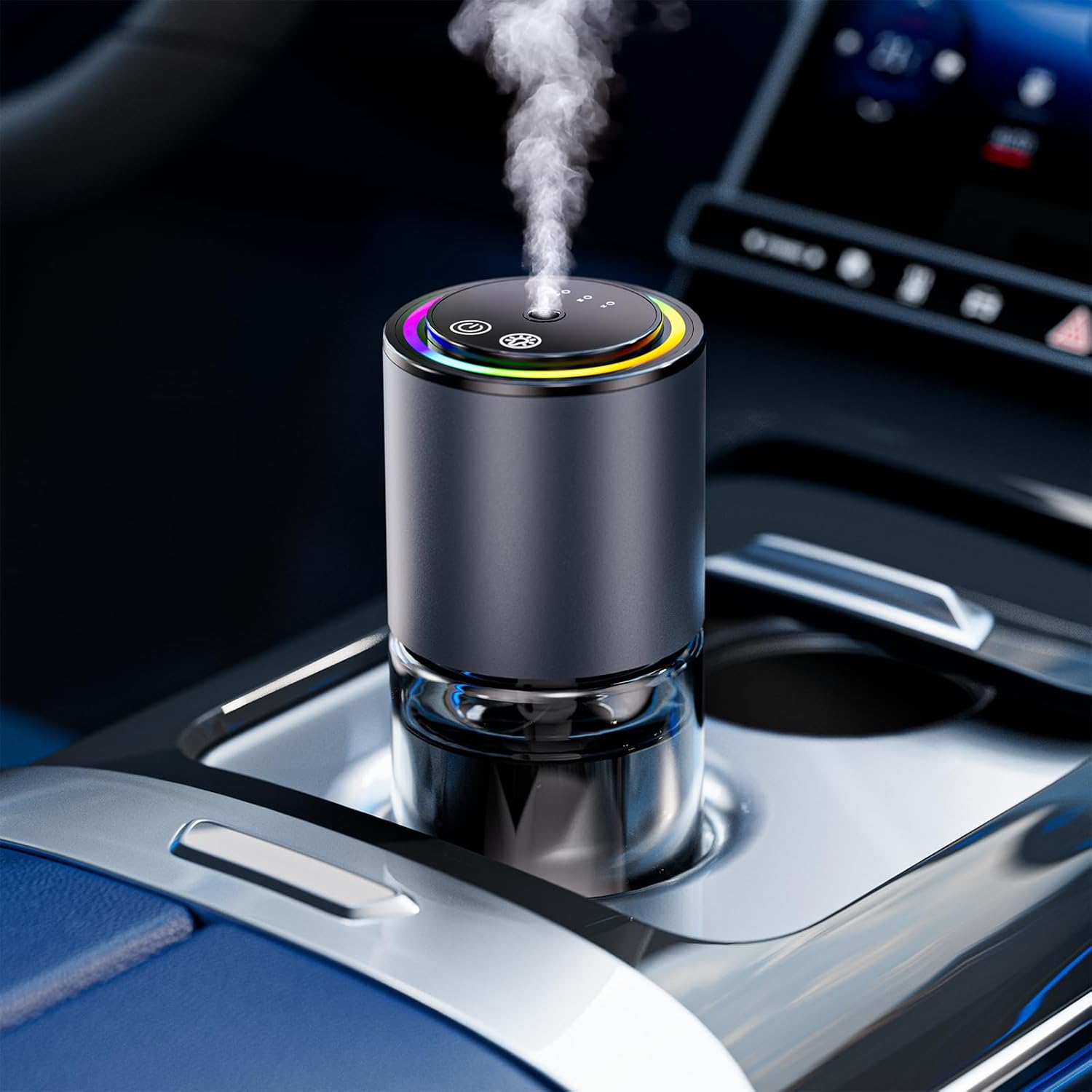
Car fresheners face unique challenges—small enclosed spaces, temperature extremes, and direct sunlight. Vent clips use AC airflow for distribution but can be overwhelmingly strong. Hanging cardboard fresheners fade quickly in sun exposure. Under-seat options provide subtle, longer-lasting fragrance.
Reed diffusers ($10-40) use capillary action to draw fragrance oil up bamboo or fiber reeds. They're quieter and more decorative than plug-ins but cover less area. Flipping reeds weekly refreshes the effect. They work poorly in drafty areas where fragrance disperses before building to noticeable levels.
Fragrance Intensity and Fatigue
A crucial phenomenon: you stop smelling continuous fragrances after 15-20 minutes of exposure. This "nose blindness" or olfactory fatigue means you'll perceive your air freshener as weak when guests still find it strong. Resist the urge to increase intensity—visitors experience the full effect you've become habituated to.
Many dissatisfied reviews stem from this—people crank settings higher because they've adapted, then guests comment on overwhelming fragrance.
Scent Categories and Room Matching
Citrus and clean scents (lemon, ocean, linen) work well in kitchens and bathrooms where freshness associations make sense. They're generally crowd-pleasing and less polarizing than complex fragrances.
Floral scents (lavender, jasmine, rose) suit bedrooms and living areas but can trigger headaches in sensitive individuals. They're more polarizing—some find them pleasant, others cloying.
Warm scents (vanilla, cinnamon, woodsy notes) feel appropriate in fall/winter and create cozy associations. They can seem strange in bathrooms or during summer months.
Masculine scents (leather, tobacco, musk) target specific demographics but risk smelling like cologne in enclosed spaces.
Health and Safety Considerations
Air fresheners emit VOCs that can irritate respiratory systems, particularly for asthma sufferers. The "natural" or "essential oil" labels don't eliminate this concern—natural compounds can be just as irritating as synthetic ones. Pregnant women and households with young children may want to minimize use or choose unscented odor neutralizers instead.
Some plug-ins have caused fires when malfunctioning or when flammable materials contacted the heated unit. Basic precautions apply: don't cover with curtains, ensure adequate clearance, and replace units that feel excessively hot.
Practical Recommendations
For bathrooms: Fan-activated sprays or automatic dispensers that release fragrance based on motion or timers address odors without continuous exposure. Matches also work—the sulfur dioxide they produce genuinely neutralizes some odor compounds.
For kitchens: Address cooking odors at the source with proper ventilation. Air fresheners in kitchens can create bizarre scent combinations with food. If you want ambient fragrance, use it in adjacent spaces.
For cars: Start with weaker options like under-seat containers. Car cabins are small and temperature variations make fragrance release unpredictable. What smells pleasant at 70°F can become overwhelming at 90°F.
For offices and shared spaces: Be conservative. Many people are scent-sensitive, and what you find pleasant may trigger migraines for coworkers. Unscented odor neutralizers are safer choices for shared environments.
For general home use: Identify and address odor sources before masking. Once your space is genuinely clean, subtle plug-ins or reed diffusers in common areas provide pleasant ambient scent without overwhelming. Rotate scents seasonally to prevent permanent nose blindness to your home's smell.
Frequently Asked Questions
На что следует обратить внимание при покупке освежителей воздуха?
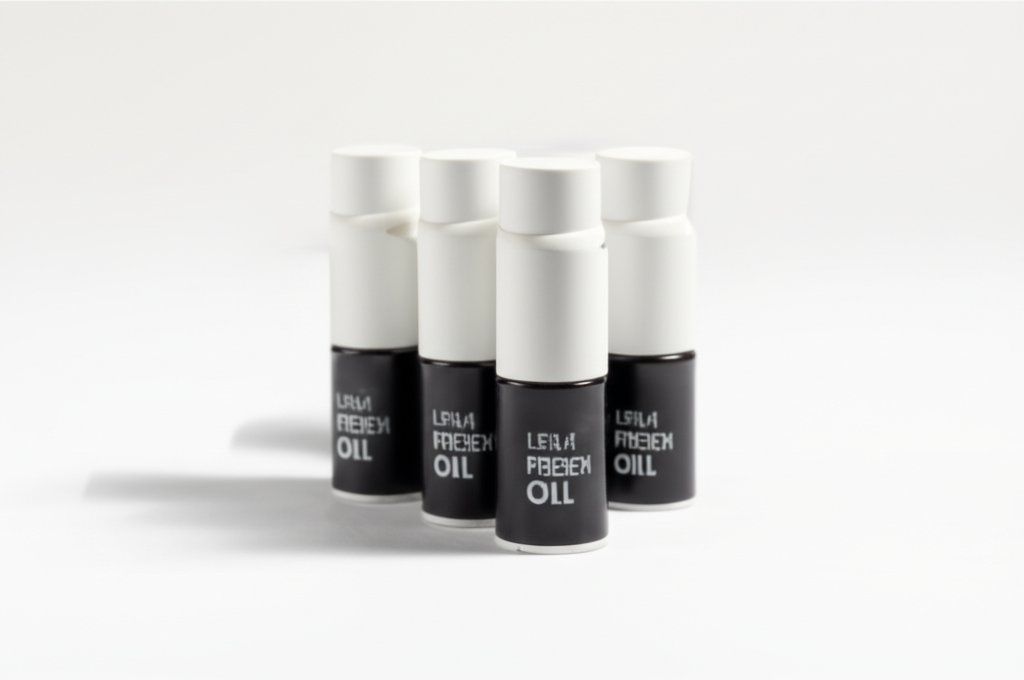
Ключевые факторы включают качество сборки, отзывы пользователей и соотношение цены и качества. Опции, такие как Liubai 10-100pcs Custom Logo Car Fresheners Bulk – WH (4.6★ из 170 отзывов) демонстрируют, как выглядит качество в этой категории.
Сколько обычно стоят освежители воздуха?
Цены варьируются от 4 до 30 долларов, при этом большинство качественных вариантов около 14 долларов. Бюджетные варианты стоимостью менее 6 долларов США работают для случайного использования, а модели премиум-класса стоимостью более 21 доллара предлагают лучшую долговечность и функции.
Какие освежители воздуха сейчас наиболее популярны?
10-100pcs Custom Logo Car Fresheners Bulk – оптовая PE в настоящее время имеет максимальную оценку 4,6★ от 170 проверенных отзывов. Ознакомьтесь с нашим полным сравнением в /best/Air-Fresheners для всех лучших вариантов.
⚖️ Quick Comparison
| Product | Price | Rating | Key Feature |
|---|---|---|---|
| $12.59 | Bulk Customization - Personalize air fresheners with your favorite images and ch... | ||
|
#2
|
$18.99 | A masculine fragrance with a fusion of sandalwood, bergamot and lemon with an ai... | |
| $29.99 | Smart On/Off - Automatically activates when driving and shuts off when parked, p... |