 PickPundit
🪥 Как выбрать лучшие электрические зубные щетки: полное руководство по покупке

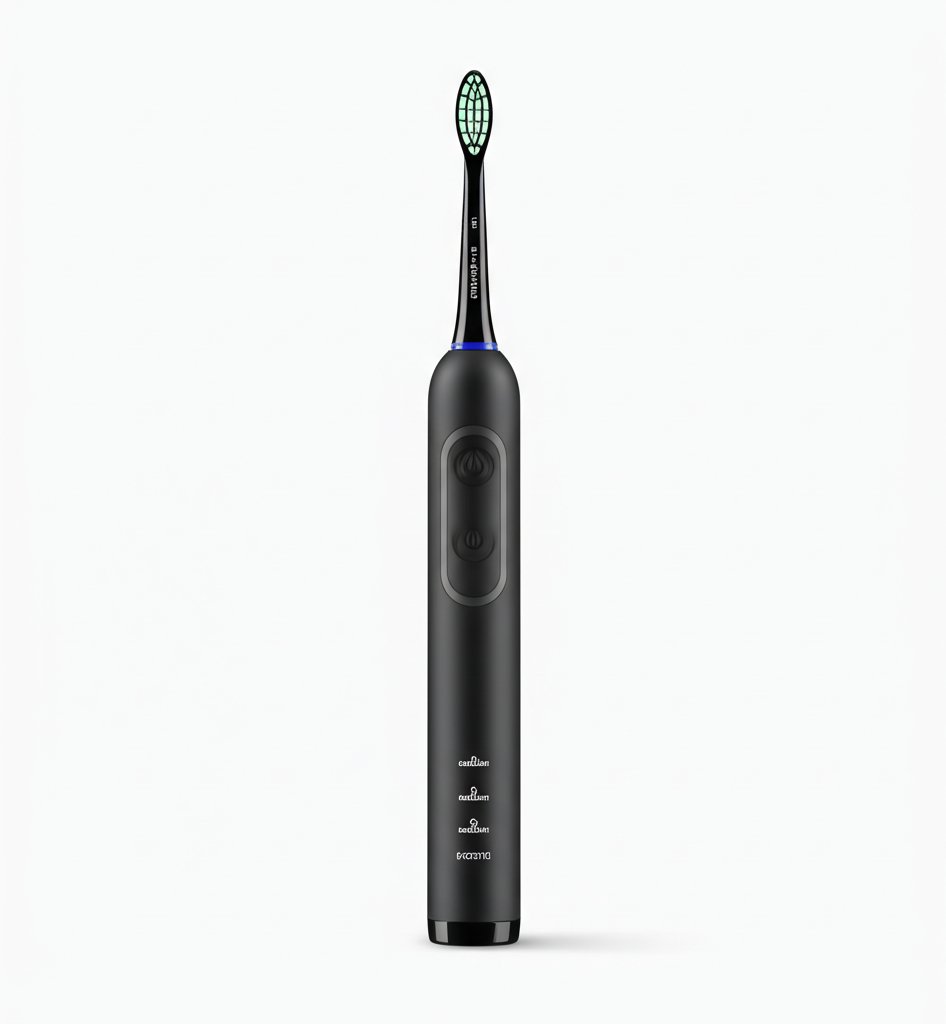
Complete electric toothbrushes buying guide. Learn what features matter, compare top products, and find the best electric toothbrushes for your budget.
View Top Picks →Table of Contents
Electric Toothbrushes: Do They Actually Clean Better?
Electric toothbrushes promise superior cleaning over manual brushing, and dental research generally supports this claim—though the difference requires context. Understanding brush technologies, pressure feedback, and timer features helps evaluate whether electric brushing justifies the ongoing costs.
The Cleaning Difference
What research shows:
Superior plaque removal: Multiple studies show electric brushes remove more plaque than manual.
Gum health: Reduced gingivitis with consistent electric brush use.
Technique compensation: Electric brushes can compensate for poor manual technique.
The caveat: Perfect manual technique achieves similar results. Electric brushing helps imperfect brushers.
Sonic vs Oscillating Technology
Two dominant electric brush technologies:
Sonic brushes (Philips Sonicare type):
- Rapid side-to-side vibration (30,000+ strokes/minute)
- Fluid dynamics help cleaning between teeth
- Gentler feel for some users
- The ProtectiveClean 5300 uses sonic technology
Oscillating-rotating (Oral-B type):
- Small round head rotates and oscillates
- Physical scrubbing action
- Different technique than manual brushing
- Some find more thorough feeling
Which is better: Research shows both effective. Personal preference matters most.
Pressure Sensors
Preventing aggressive brushing:
Problem: Pressing too hard damages gums and enamel.
Sensor function: Warns when pressure is excessive—light, sound, or motor change.
Behavior change: Over time, trains lighter brushing habits.
Value: Particularly helpful for aggressive brushers or those with gum recession.
The Sonicare ProtectiveClean includes pressure sensing—useful feature for protecting gum health.
Timer and Quadrant Pacer
Ensuring adequate brushing time:
Two-minute timer: Dental recommendation for thorough cleaning. Most people under-brush without timer.
Quadrant pacer: Signals every 30 seconds to move to next mouth section. Ensures even coverage.
Behavior modification: Initially feels long. Eventually becomes habit.
Universal feature: Nearly all electric brushes include timing functions.
Brush Head Replacement
Ongoing cost consideration:
Replacement frequency: Every 3 months, or when bristles fray.
Proprietary heads: Brand-specific designs. Must purchase compatible replacements.
Replacement cost: $5-10 per head typically. Annual cost $20-40.
Third-party heads: Available for popular brands at lower cost. Quality varies.
Total cost of ownership: Handle plus years of brush heads adds up.
Brush Head Varieties
Different heads for different needs:
Standard cleaning: Daily use for most users.
Sensitive: Softer bristles for sensitive gums or teeth.
Whitening: Polishing elements for surface stain removal.
Deep cleaning: More aggressive bristle patterns.
Interdental: Some designs emphasize between-teeth cleaning.
Battery Types
Power source options:
Rechargeable NiMH: Older technology, memory effect possible, adequate life.
Rechargeable Li-ion: Better performance, lighter, longer between charges.
Disposable battery: Cheaper initial cost, ongoing battery expense.
Battery life: Modern brushes last 2-4 weeks between charges with normal use.
Travel Considerations
Using electric brushes while traveling:
USB charging: The Aquasonic type charges via USB—universal compatibility.
Travel case: Protects brush head, often included.
Dual voltage: Important for international travel if using outlet charging.
Size/weight: Electric brushes are bulkier than manual. Consider for backpacking.
Smart Features
Connected toothbrush capabilities:
App connectivity: Track brushing habits, coverage coaching.
Pressure mapping: See where you brush too hard.
Brush replacement reminders: Track head age.
Value assessment: Most users don't need apps. Basic timer/pacer provides core benefit.
Budget vs Premium
What price differences buy:
Under $30: Basic sonic or oscillating. Timer function. Limited modes.
$30-75: Aquasonic type—multiple modes, pressure sensing, travel case.
$75-150: Sonicare ProtectiveClean tier. More modes, better build, brand support.
$150+: Smart features, premium materials, advanced sensors.
Mode Variety
Multiple cleaning modes:
Clean: Standard daily mode. All you need for most users.
Sensitive: Gentler for sensitive gums or teeth.
Whitening: Extended or different motion for stain removal.
Gum care: Focused on gumline cleaning.
Tongue cleaning: Specific mode for tongue surface.
Reality check: Most users pick one mode and stick with it. Extra modes are nice-to-have.
Making the Switch
Transitioning from manual brushing:
Adjustment period: Electric brushing feels different. Takes a week or two to feel normal.
Technique change: Less scrubbing motion needed. Let the brush do the work.
Initial sensitivity: Some gum sensitivity when starting. Usually resolves quickly.
Practical Recommendations
For most users: Mid-range sonic or oscillating with timer and pressure sensor. Sonicare ProtectiveClean level provides solid functionality.
For budget entry: Aquasonic type delivers core benefits affordably. See if electric brushing works for you before premium investment.
For sensitive teeth/gums: Prioritize pressure sensor and sensitive mode.
For travelers: USB charging and compact design simplify on-the-road use.
The key insight: electric brushes genuinely improve cleaning for most people, primarily through consistent timing and technique compensation. Premium features beyond timer and pressure sensing have diminishing returns.
Frequently Asked Questions
На что следует обратить внимание при покупке электрических зубных щеток?
Ключевые факторы включают качество сборки, отзывы пользователей и соотношение цены и качества. Лучшие варианты, такие как Philips Sonicare Philips Sonicare ProtectionClean 5300 5300 (4,5★ от 20 830 отзывов), демонстрируют, как выглядит качество в этой категории.
Сколько обычно стоят электрические зубные щетки?
Цены варьируются от 20 до 150 долларов, при этом большинство качественных вариантов около 69 долларов. Бюджетные варианты стоимостью менее 30 долларов работают для случайного использования, а премиальные модели стоимостью более 104 долларов предлагают лучшую долговечность и функции.
Какие электрические зубные щетки сейчас наиболее популярны?
Перезаряжаемая электрическая электрическая электрическая электрическая электрическая электрическая электрическая плата Philips Sonicare в настоящее время имеет 4,5★ от 20 830 проверенных отзывов. Ознакомьтесь с нашим полным сравнением в /best/электрочерезах для всех лучших выборов.
⚖️ Quick Comparison
| Product | Price | Rating | Key Feature |
|---|---|---|---|
|
#1
|
$99.96 | Smart Brushing Pressure sensor alerts you to protect gums and optimize cleaning | |
| $32.45 | 40,000 VPM Smart Toothbrush – Beauty, brains and power. The Black Series is a wo... | ||
| $26.37 | Customizable Cleaning Experience This Onlyone ultrasonic electric toothbrush off... |


