 PickPundit
📦 How to Choose the Best Medicine Balls: Complete Buying Guide


Complete medicine balls buying guide. Learn what features matter, compare top products, and find the best medicine balls for your budget.
View Top Picks →Table of Contents
Medicine Balls: Weight Selection, Material Types, and Functional Training Applications
Medicine balls provide weighted resistance for dynamic functional training exercises. Understanding weight ranges, material options, and exercise applications helps select appropriate medicine balls for various fitness goals.
Weight Range Selection
Medicine balls typically range from 2-30 pounds.
Beginners: 4-8 pounds for learning proper form.
Intermediate: 8-14 pounds for strength building.
Advanced: 14-25+ pounds for power development.
Weight selection depends on exercise type and fitness level.
Material Types
Rubber medicine balls: durable, can be bounced.
Leather medicine balls: traditional, comfortable grip.
Vinyl/PVC: affordable, easy to clean.
Gel-filled: soft shell, wall ball exercises.
Bounce vs No-Bounce
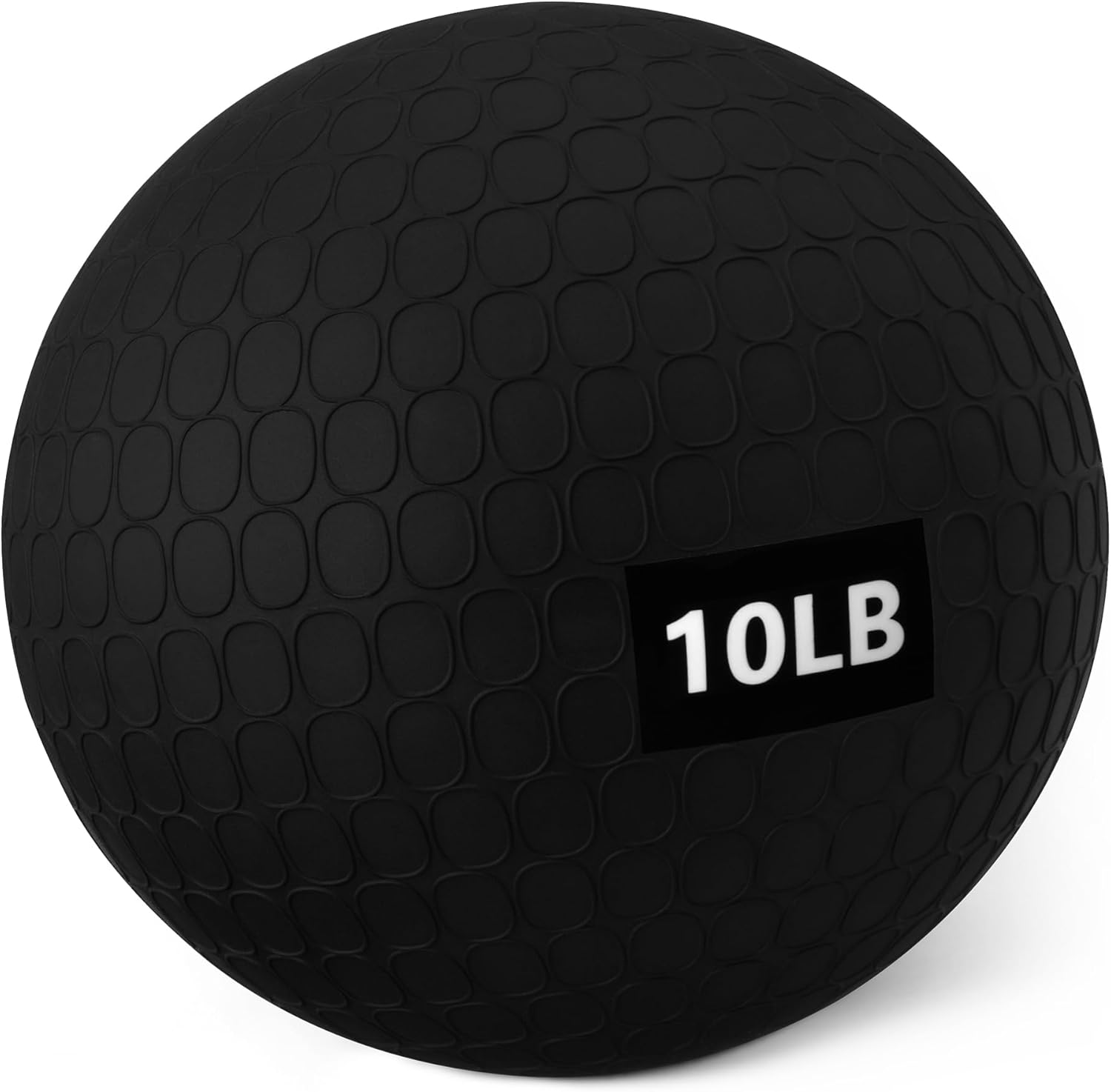
Slam balls: designed to absorb impact without bouncing.
Bouncing balls: return energy for reactive training.
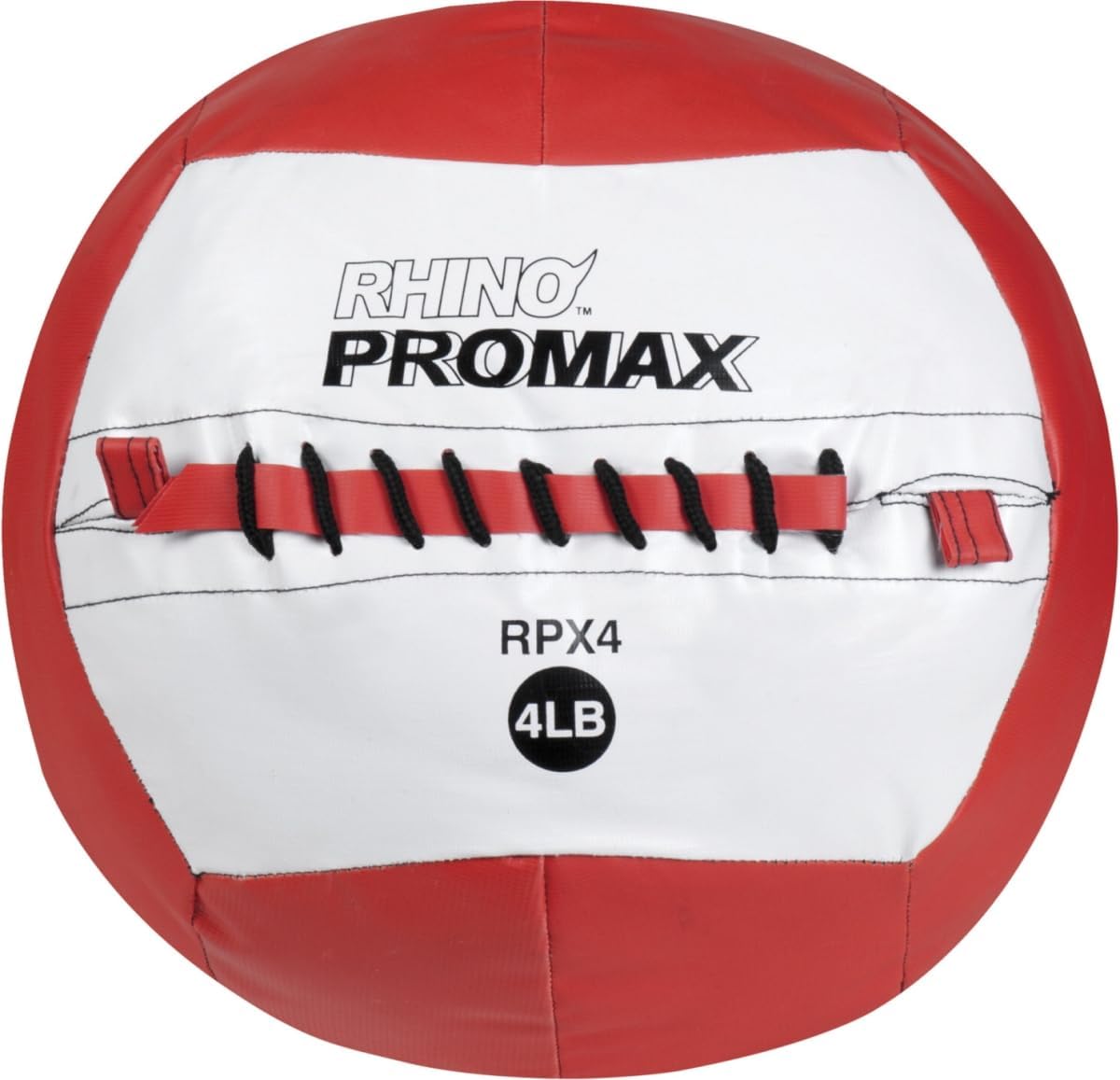
Wall balls: soft construction for wall target exercises.
Match bounce characteristics to intended exercises.
Size Considerations
Larger diameter at same weight = easier grip.
Smaller, denser balls for specific exercises.
Diameter affects exercise comfort.
Consider your hand size and grip strength.
Shell Durability
Rubber construction withstands impact.
Stitched seams can fail with abuse.
Textured surfaces improve grip when sweating.
Quality construction extends lifespan.
Handle Options
Dual-handle medicine balls for swings.
Rope-attached balls for rotational training.
Standard balls for throws and slams.
Handles add exercise variety.
Exercise Applications
Core rotations and twists.
Slams for power development.
Partner throws for reactive training.
Wall balls for metabolic conditioning.
CrossFit/Wall Ball Standards
14/20 pound standard weights (women/men).
10-foot target height standard.
Larger, softer construction.
Specific to competitive CrossFit.
Training Progression
Start lighter than you think needed.
Master form before increasing weight.
Progress gradually to prevent injury.
Multiple weights enable varied training.
Storage Considerations
Round balls roll—storage racks helpful.
Weight variety takes space.
Some have flat spots for stability.
Consider storage solutions.
Brand and Quality
Quality balls maintain shape and durability.
Budget balls may crack or deform.
Commercial-grade for heavy use.
Investment reflects usage frequency.
Practical Recommendations
For general fitness, 8-12 pound medicine balls ($25-50) suit most users for core and rotational training.
For slam exercises, dedicated slam balls ($30-60) withstand floor impact without bouncing.
For wall balls, soft-shell 14-20 pound balls ($40-80) designed for wall target work.
Start lighter than expected—proper form matters more than weight.
Frequently Asked Questions
What should I look for when buying medicine balls?
Key factors include build quality, user reviews, and value for money. Top-rated options like the Champion Sports Champion Sports Rhino Slam Ball (4.4★ from 2,180 reviews) demonstrate what quality looks like in this category.
How much do medicine balls typically cost?
Prices range from $13 to $252, with most quality options around $54. Budget options under $19 work for occasional use, while premium models over $81 offer better durability and features.
Which medicine balls are most popular right now?
The Champion Sports Rhino Slam Ball is currently top-rated with 4.4★ from 2,180 verified reviews. Check our full comparison at /best/medicine-balls for all top picks.