 PickPundit
📦 Как выбрать лучшие микрофоны XLR: полное руководство по покупке

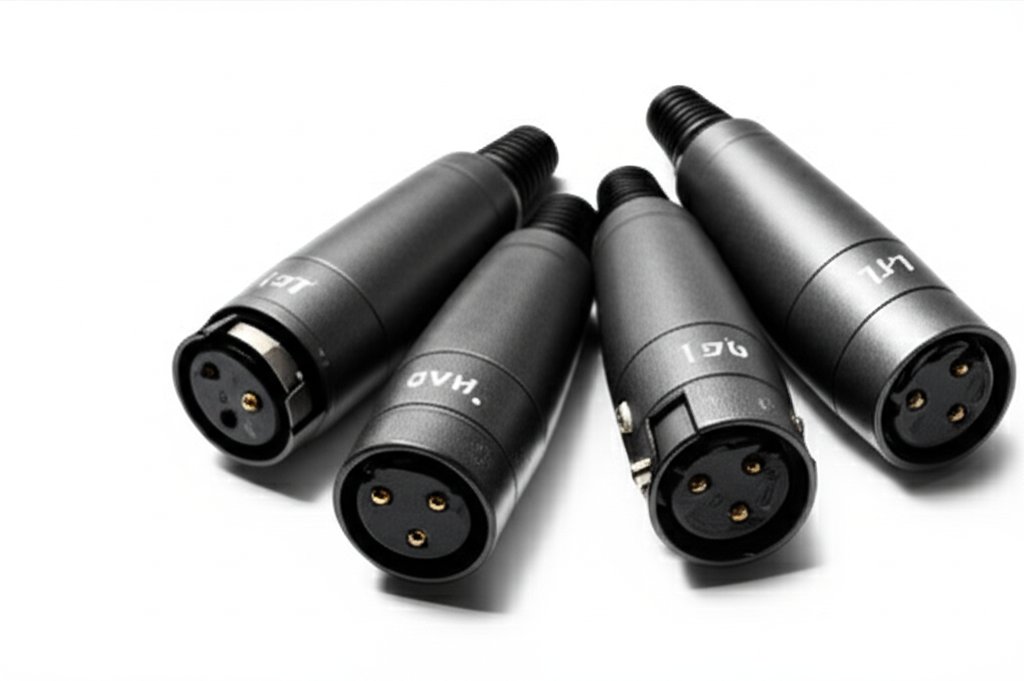
Complete xlr microphones buying guide. Learn what features matter, compare top products, and find the best xlr microphones for your budget.
View Top Picks →Table of Contents
XLR Microphones: The Professional Audio Connection That Matters
XLR microphones use the three-pin balanced connection standard for professional audio—a format that delivers cleaner signal over longer cable runs than USB or consumer connections. Understanding why XLR matters helps determine whether professional-grade audio justifies the additional equipment investment.
Why XLR Exists
XLR connections solve problems consumer audio connections don't face:
Balanced signal: Two signal wires plus ground, allowing noise cancellation. Any interference picked up by cables gets cancelled at the receiving end.
Long cable runs: Clean audio over 100+ feet, enabling stage performances and studio setups where microphone and recording device are far apart.
Professional ecosystem: Interfaces, mixers, and preamps designed for XLR provide audio quality USB connections can't match.
The Shure MV7X at $179 represents serious audio investment—the same capsule as the popular MV7, but XLR-only for those committed to professional signal chains.
XLR vs USB
The XLR vs USB decision defines audio setup complexity:
USB microphones:
- Self-contained (built-in preamp and converter)
- Plug directly into computer
- Limited cable length
- Simpler, cheaper overall system
XLR microphones:
- Require audio interface or mixer with preamp
- Higher quality potential with quality interface
- Professional features (phantom power, gain staging)
- More expensive total system cost
For podcasting and streaming where audio quality is paramount and budget allows, XLR systems provide superior results. For casual use, USB simplicity wins.
Audio Interface Requirements
XLR microphones require additional equipment:
Audio interface: Converts analog XLR signal to digital for computer. Provides preamp, phantom power, monitoring. Entry-level: $50-150.
Mixer: For live applications or multiple inputs. Combines sources with level control.
Preamp: Standalone or built into interface. Amplifies microphone signal to usable level.
The total XLR system cost (microphone + interface + cables) often doubles the cost of equivalent USB-only setup.
Dynamic vs Condenser
XLR microphones come in two main types:
Dynamic microphones (like the Bowens 2-pack at $28):
- Rugged construction
- No phantom power required
- Less sensitive (good for loud sources, forgiving of room noise)
- Classic broadcast/stage sound
Condenser microphones:
- More sensitive and detailed
- Require phantom power (48V from interface)
- Pick up more room noise/reflections
- Preferred for studio vocals and detailed recording
The Shure MV7X is a dynamic—forgiving of imperfect room acoustics while delivering broadcast quality.
Phantom Power
Condenser microphones require phantom power—48V DC sent through XLR cable:
Source: Audio interface, mixer, or standalone phantom power supply
Safety: Won't damage dynamic mics that don't need it
Indicator: Most interfaces show when phantom power is active
Dynamic microphones work with or without phantom power. Before purchasing condenser mics, verify your interface provides phantom power.
Budget XLR Options
The Bowens 2-pack at $28 represents extreme budget XLR entry—two handheld dynamics for karaoke, live performance, or basic recording. Quality limitations exist, but functional XLR microphones at $14 each provide entry point for learning.
Upgrading individual components (better microphone, better interface) improves system incrementally—XLR's modular nature allows progressive investment.
Wireless XLR Systems
The Phenyx Pro plug-on system at $95 adds wireless capability to existing XLR microphones:
Plug-on transmitter: Attaches to XLR mic, transmits wirelessly
Receiver: Connects to interface or mixer
Flexibility: Use existing wired mics wirelessly when needed
This approach enables wireless for performance while maintaining wired option for recording.
Practical Recommendations
For serious content creation: XLR system (mic + interface) provides audio quality that distinguishes professional content.
For budget entry: Bowens 2-pack at $28 provides functional XLR microphones for learning; upgrade path available.
For existing XLR investment: Shure MV7X at $179 represents premium dynamic performance for established XLR setups.
For wireless needs: Plug-on systems convert existing mics rather than requiring separate wireless microphones.
The key insight: XLR provides superior audio potential but requires system investment. USB simplicity suits casual use; XLR suits those prioritizing audio quality enough to build supporting infrastructure.
Frequently Asked Questions
На что следует обратить внимание при покупке микрофонов XLR?
Ключевые факторы включают качество сборки, отзывы пользователей и соотношение цены и качества. Топовые опции, такие как динамический микрофон Shure Shure MV7X XLR - Voice-Isolatin (4,7★ из 3899 отзывов), демонстрируют, как выглядит качество в этой категории.
Сколько обычно стоят микрофоны XLR?
Цены варьируются от 16 до 1499 долларов, при этом большинство качественных вариантов около 154 долларов США. Бюджетные варианты стоимостью менее 24 долларов США работают для случайного использования, а модели премиум-класса стоимостью более 231 доллара предлагают лучшую долговечность и функции.
Какие XLR-микрофоны сейчас наиболее популярны?
Динамический микрофон Shure MV7X XLR — голосовой изолирующий кардиоид в настоящее время имеет максимальный рейтинг с 4,7★ от 3899 проверенных отзывов. Ознакомьтесь с нашим полным сравнением в /best/xlr-микрофонах для всех лучших выборов.


