 PickPundit
📱 How to Choose the Best Car Phone Mounts: Complete Buying Guide

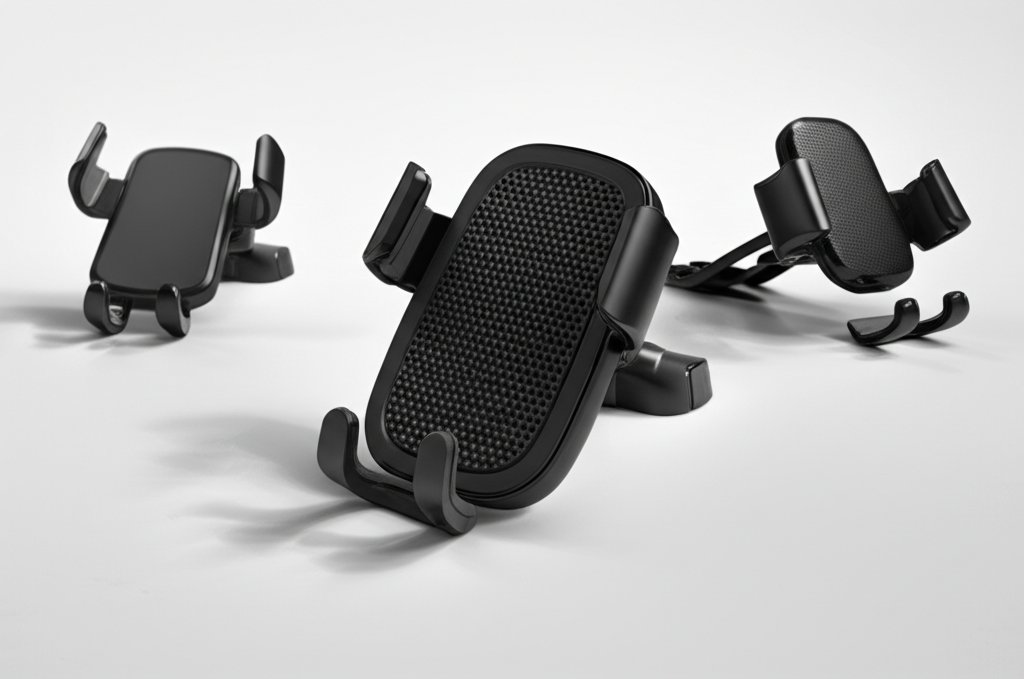
Complete car phone mounts buying guide. Learn what features matter, compare top products, and find the best car phone mounts for your budget.
View Top Picks →Table of Contents
Car Phone Mounts: The Hands-Free Navigation Essential
Car phone mounts transformed from convenience accessories to essential safety equipment as smartphone navigation replaced standalone GPS devices. The right mount keeps phones visible and accessible without dangerous fumbling; the wrong mount falls, blocks views, or damages phones. Understanding mounting types, attachment mechanisms, and phone compatibility prevents the frustration of mounts that don't work as advertised.
Mounting Location Options
Where you mount determines visibility and accessibility:
Windshield mounts position phones in direct sight lines, similar to traditional GPS placement. They can obstruct visibility and may violate windshield regulations in some jurisdictions.
Dashboard mounts sit lower than windshield options, potentially improving visibility but requiring more eye movement for navigation viewing.
Vent mounts attach to air conditioning vents, positioning phones at mid-height without windshield attachment. They can block airflow and may interfere with climate control.
CD slot mounts utilize obsolete CD players as mounting points. They're stable but position phones lower than ideal for navigation.
Cup holder mounts occupy cup holders to create phone mounting points. They sacrifice drink storage for phone accessibility.
The Qifutan at $10 and VANMASS at $26 offer windshield/dashboard flexibility. Mounting location preference should drive selection.
Attachment Mechanisms
How mounts grip phones varies significantly:
Clamp/grip mounts use spring-loaded arms that squeeze phone sides. They accommodate various phone sizes and cases but require two-handed operation to insert/remove phones.
Magnetic mounts use magnets attached to phones or cases. They enable one-handed operation but require metal plates or magnetic cases. The ANDERY MagSafe mount at $27 targets iPhone users with built-in magnetic compatibility.
Cradle mounts hold specific phone models with custom-fitted holders. They provide excellent fit but lack flexibility for phone upgrades.
Gravity mounts use phone weight to trigger gripping mechanisms. They're convenient but may not secure phones adequately on rough roads.
For most users, quality clamp mounts provide the best balance of security and phone compatibility.
Suction Cup Quality
Suction-based mounts live or die by suction quality:
Suction strength determines how much weight mounts hold and how long they remain attached. The VANMASS "military-grade" marketing emphasizes superior suction.
Surface requirements: Smooth, clean glass or dashboard surfaces enable proper suction. Textured surfaces prevent adequate seal.
Temperature sensitivity: Cheap suction cups fail in extreme heat or cold. Quality cups maintain grip across temperature ranges.
Maintenance requirements: Suction cups require periodic cleaning and re-seating. Cups that lose grip may need replacement rather than cleaning.
Dashboard compatibility: Many dashboards have textures preventing suction attachment. Dashboard pads or discs may be required.
Suction failure at highway speeds is dangerous. Don't compromise on suction quality.
MagSafe and Magnetic Mounting
Magnetic mounts offer convenience advantages:
MagSafe compatibility (iPhone 12 and later) enables magnetic attachment without additional plates. The ANDERY specifically targets MagSafe users.
Metal plate requirements for non-MagSafe phones require adhering thin metal plates inside cases or directly on phones.
Magnetic strength varies—weak magnets allow phones to fall during aggressive driving or rough roads.
Wireless charging interference: Metal plates can interfere with wireless charging. Some magnetic mounts incorporate wireless charging despite the magnetic attachment.
Case compatibility: Thick cases may reduce magnetic grip strength. Verify mount works with your actual case.
Phone Size and Weight Considerations
Larger phones stress mounting systems:
Arm extension accommodates different phone heights. Adjustable arms suit various phone sizes; fixed arms limit compatibility.
Weight capacity matters for larger phones with cases and accessories. Mount specifications should exceed your phone's weight.
Width adjustment handles phones from compact to max-sized models. Verify your phone fits within mount specifications.
Case compatibility: Cases add bulk. Measure phone with case for accurate compatibility assessment.
Adjustability and Viewing Angles
Proper positioning requires adjustability:
Ball joint mounts allow rotation in any direction, enabling portrait and landscape orientations with optimal viewing angles.
Fixed-angle mounts limit positioning options but may be more stable.
Extension arms position phones at comfortable viewing distances. Longer arms provide flexibility but may vibrate more.
One-handed adjustment capability matters for repositioning while driving (though adjusting while moving is inadvisable).
Vibration and Stability
Mounts must remain stable during driving:
Arm length and weight distribution affect vibration. Longer arms with heavy phones at the end vibrate more than shorter, balanced configurations.
Mount construction quality determines rigidity. Cheap plastic construction flexes and vibrates; quality materials maintain stability.
Road condition sensitivity: Even quality mounts may vibrate on rough roads. Camera quality during video calls may suffer.
Phone security during vibration: Phones that slide or rotate during vibration require mount adjustment or replacement.
Charging Integration
Many mounts incorporate charging:
Wireless charging mounts eliminate cable management but require Qi-compatible phones and add mount cost.
Wired charging compatibility ensures cable access regardless of mount design. Some mounts include cable management features.
Charging speed: Wireless charging in mounts typically runs slower than wired charging. Fast wireless charging requires specific mount capabilities.
Heat management: Charging phones in direct sunlight through windshields can cause overheating. Consider mount location for charging applications.
Installation Quality
Mount installation affects long-term satisfaction:
Windshield positioning should avoid driver sight lines and potential airbag interference.
Suction cup curing: Some quality mounts recommend 24-hour curing before use for maximum adhesion.
Dashboard protection: Adhesive mounts may damage dashboard surfaces on removal.
Vent clip strength: Vent mounts must fit your specific vent blade design. Thin or angled blades may not provide adequate grip.
Legal Considerations
Phone mount regulations vary by jurisdiction:
Windshield mounting restrictions exist in some states and countries. Check local laws before windshield mounting.
Screen visibility requirements may dictate mount positioning that doesn't obstruct views.
Hands-free operation: Mounts should enable legal hands-free phone use while driving.
Practical Recommendations
For general use: Quality suction cup mounts with clamp grips ($15-30) provide the best balance of security, compatibility, and value.
For MagSafe iPhone users: Dedicated MagSafe mounts ($25-40) enable convenient one-handed operation.
For vent mounting: Ensure compatibility with your specific vent design before purchasing.
For wireless charging needs: Expect to pay $30-50+ for quality wireless charging mounts.
For budget purchases: The Qifutan at $10 provides basic functionality; expect less durability and stability than premium options.
The VANMASS at $26 represents the quality tier where performance becomes reliable. Below this price point, compromises increase.
Frequently Asked Questions
What should I look for when buying car phone mounts?
Key factors include build quality, user reviews, and value for money. Top-rated options like the VANMASS [2026 True Military-Grade] Car Phone Holder VANMAS (4.5★ from 18,897 reviews) demonstrate what quality looks like in this category.
How much do car phone mounts typically cost?
Prices range from $7 to $30, with most quality options around $16. Budget options under $10 work for occasional use, while premium models over $24 offer better durability and features.
Which car phone mounts are most popular right now?
The [2026 True Military-Grade] Car Phone Holder VANMASS [Upgrade is currently top-rated with 4.5★ from 18,897 verified reviews. Check our full comparison at /best/car-phone-mounts for all top picks.


